
Mijacic: It was expected that last year's agreement would calm the tensions between Kosovo and Serbia, but it didn't happen
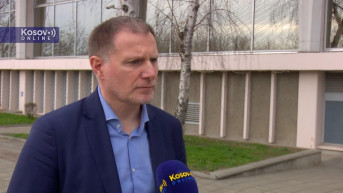
Following the agreement on the path to normalization between Kosovo and Serbia on February 27 last year, it was expected that the situation in Kosovo, as well as in relations between Kosovo and Serbia, would normalize to calm tensions and attempt to find a solution to the accumulated political problems, however, unfortunately, this did not happen, Dragisa Mijacic, Coordinator of the National Convention for Chapter 35, says.
He reminds that soon after, in April, the Serb List boycotted local elections and that the current mayors were elected with a "dubious number of votes."
"This introduced new political instability and new security problems that persist to this day. So, we cannot say that anything has been implemented from what was agreed on February 27, nor when anything will be applied in the foreseeable future," Mijacic notes.
When asked about the fate of the agreement considering that Serbia objected to certain parts concerning de facto and de jure recognition of Kosovo, as well as resistance in Pristina to the part concerning self-governance of the Serbian community, i.e., the formation of the CSM, Mijacic says that the EU High Representative for Foreign Affairs, Josep Borrell, stated that both sides had agreed and that there would be no need for further amendment of the text.
"Therefore, the European Commission has been instructed to amend negotiation Chapter 35 for Serbia, which is now in progress, and when completed, which will be very soon, regardless of whether Serbia agrees or not with certain parts, it will be an official condition for Serbia toward further EU membership. There has been a lot of noise in the communication and statements of Serbian officials about what they want or do not want to accept, but what was agreed upon in Brussels and Ohrid is understood by international partners as accepted, and they will insist on the implementation of all of that, including the Community of Serb Municipalities, which has been Pristina's obligation since 2013. Pristina will not be able to escape from it, especially if it wants to further approach the EU or Euro-Atlantic integrations," Mijacic emphasizes.



0 comments