
Mijacic: A modality regarding the dinar issue is being sought; each one has technical difficulties and political consequences
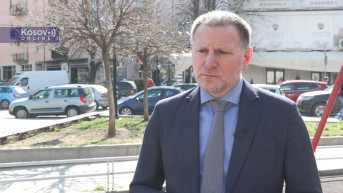
Dragisa Mijacic, the Coordinator of the Working Group of the National Convention on the EU for Chapter 35, commented on yesterday's round of dialogue between Belgrade and Pristina in Brussels, where the topic was the decision of the Central Bank of Kosovo to abolish the dinar in Kosovo. He said that a short-term and long-term, or permanent, solution would be sought for this issue, and that the short-term solution would likely last until the establishment of the Community of Serb Municipalities.
"The short-term solution will probably last until the Community of Serb Municipalities is formed because the CSM should take over the competencies of the institutions funded by the Republic of Serbia in that area. As part of seeking a short-term solution, either what Mr. Petar Petkovic says will be implemented, that is, the functioning of the Postal Savings Bank in that area for payments to citizens and institutions, or it will be what is announced by international representatives, as we have heard from Kosovo officials as well, that they want it to be an agreement between some of the commercial banks licensed in Kosovo and the National Bank of Serbia, so that payments are made through Kosovo's licensed banks in euros," Mijacic told Kosovo Online.
He adds that a modality is being sought between these two proposals and that each has both technical challenges and political consequences. He reminded that both sides were asked to come up with proposals by Friday so that a final proposal could be presented on Monday to resolve the issue of using the dinar or financing citizens and institutions in Kosovo.
When asked if these short-term options would mean that Serbs in Kosovo who receive income from the Serbian budget would have dinars or euros in hand, Mijacic said that the smooth functioning of Serbian institutions was most important.
"The Serbian side would like it to be dinars, and the Kosovo side wants it to be euros, but I think that at this moment, the most important thing is the unhindered functioning of Serbian institutions. The symbolism of the dinar is not that important, what is more important is people's lives. So, political wisdom is expected from both sides to truly enable the necessary and unhindered functioning of Serbian institutions and to allow people to access their money, regardless of the currency," Mijacic stated.
He believes that a short-term solution can be implemented quickly, but that political will is also needed.
"We can see that there has been a lack of it for a long time, as well as a lack of trust between the two sides in the dialogue process. But this is truly a question of life and functionality, not only for the Serbian community but for all communities related to dinar payments. That's why I believe that there is great international pressure, that it will bear fruit, and that both sides will commit to solutions that would enable people to lead a normal life," he emphasized.
As he noted, after a long time, they had a constructive meeting of the two sides and even a trilateral meeting with the European Union, which had not happened for a long time. This joint meeting yesterday, he said, came at the insistence of both European mediators and the United States because there was additional pressure on the Kosovo side to sit down and discuss the dinar issue, which it had persistently refused since February 1, when this regulation of the CBK came into force.
0 comments