
Mijacic: No agreement envisions integration of serbian healthcare and education into the Kosovo system
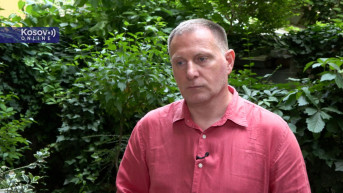
The integration of Serbian healthcare and educational institutions into the Kosovo system is not envisaged by any agreement reached in Brussels or Ohrid, stated Dragiša Mijacic, Coordinator of the Working Group for Chapter 35 of the National Convention on the European Union, RTS reports.
Mijacic also criticized remarks by the German Ambassador in Pristina, Jörn Rohde, suggesting that the agreements implied the integration of Serbian systems into Kosovo’s.
“What Mr. Rohde is saying is written nowhere. There are no such guarantees in any document. Someone should have asked him – where does it say that? The integration of Serbian healthcare and educational institutions into the system of so-called Kosovo is not foreseen in any agreement reached in Brussels or Ohrid,” he emphasized.
Mijacic further warned that the government in Pristina is gradually narrowing the space for these institutions to operate, without adequate reaction from the international community.
The Coordinator of the Chapter 35 Working Group of the National Convention on the EU told RTS that neither the 2013 Brussels Agreement nor subsequent documents oblige Belgrade to integrate Serbian healthcare and education into the institutional system of so-called Kosovo.
“The 2013 Agreement does not resolve the issue of Serbian healthcare and education in Kosovo and Metohija. The Community of Serb Municipalities has supervisory competence, but not organizational authority over these institutions,” Mijacic explained.
He stressed that these issues have never been officially negotiated within the Belgrade–Pristina dialogue.
“Healthcare and education remained off the negotiating table. The only document that guarantees education in the Serbian language is the Ahtisaari Plan, incorporated into the Kosovo Constitution. But it does not foresee financing or organization from Belgrade,” Mijacic noted.
According to him, the new draft Statute of the Community of Serb Municipalities, which the Kosovo side has not yet officially accepted, stipulates that these institutions would become private and be established by the CSM itself.
“Hospitals and schools would be private, financed from Belgrade but through CSM accounts and under Pristina’s oversight,” he said.
Pristina Seeks to Declare Serbian Institutions Illegal
Mijacic pointed out that Pristina aims to present Serbian healthcare and educational institutions in Kosovo as illegal and is working to find a way to abolish them.
“At present, the Serbian healthcare and education system continues to operate in Kosovo and Metohija, but the authorities in Pristina claim they are illegal and are looking for ways to shut them down,” Mijacic warned.
He emphasized that the international community has an interest in preserving the Serbian educational and healthcare infrastructure in Kosovo and Metohija, as these institutions are key pillars of the survival of the local Serbian population – both in terms of providing services and in terms of the large number of jobs they secure.
Precisely for this reason, he said, international actors have an interest in mediating a solution acceptable to both sides.
Systematic Closure of Institutions – the “Boiled Frog” Tactic
Mijacic warned that Pristina is already implementing measures that make the functioning of Serbian institutions increasingly difficult.
“The dinar has been abolished, pressure is being applied on the security of facilities, a new foreigners’ law is being prepared that will prevent professors from central Serbia from working in North Mitrovica. Private clinics are receiving inspection orders for closure,” he stated.
He particularly highlighted the danger of the gradual shutdown of Serbian institutions.
“Healthcare and educational institutions are not being closed directly, but the conditions for their work are being dismantled. This is the tactic of the ‘boiled frog,’” Mijacic cautioned.

0 comments