
Milasinovic: Any potential oversight by an inspectorate would conflict with UNESCO
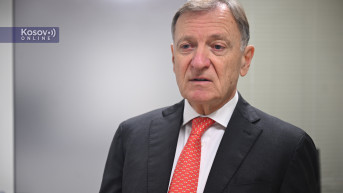
President of the Serbian Commission for Cooperation with UNESCO, Professor Goran Milasinovic, says that if the Draft Law on the Central Inspectorate for Cultural Heritage, adopted at first reading by the Kosovo Assembly, were ultimately adopted and entered into force, any potential oversight by an inspector of maintenance work on Serbian heritage sites included on UNESCO’s List of World Heritage in Danger would conflict with UNESCO and its rules.
“That is against the rules. No UNESCO document provides for any additional authority with powers superior to those of UNESCO itself when it comes to the maintenance or restoration of heritage sites. That is absolutely impossible. If it does happen, because anything is possible in this world, we still have diplomatic mechanisms and UNESCO mechanisms at our disposal. UNESCO is the body that protects all of these heritage sites of ours. I would be concerned if these sites were not on the UNESCO List; since they are, I am less concerned,” Milasinovic told Kosovo Online.
Nevertheless, he said that the adoption of the Draft Law on the Central Inspectorate for Cultural Heritage was deeply troubling and represented yet another in a series of developments concerning Serbian cultural heritage coming from Pristina, which he described as various forms of “cultural expropriation.”
“One of the reasons why our three monasteries and one church remain on the List of World Heritage in Danger is that they are not being treated properly. Of the 1,248 properties on UNESCO’s World Heritage List, only around 50 are on the List of World Heritage in Danger, and our monasteries in Kosovo and Metohija are among them. I would recommend that the authorities in Pristina focus more on why these properties have remained in danger from 2006 to this day. There are examples around the world of properties being removed from the List of World Heritage in Danger—for example, the Historic Centre of Vienna, which was placed on the list in 2017 but removed in 2026 after UNESCO rules were subsequently observed. Inadequate maintenance is precisely one of the six points UNESCO cited as grounds for placing our cultural heritage in Kosovo and Metohija on the List of World Heritage in Danger,” Milasinovic explained.
He added that if Pristina established a cultural heritage inspectorate, no restoration work, other works or supervision of works concerning the Patriarchate of Pec, Visoki Decani, the Church of the Virgin of Ljevisa and Gracanica Monastery could be carried out contrary to UNESCO rules.
“Only maintenance and essential works necessary when a property is at risk are permitted. We had the example of the Church of the Virgin of Ljevisa in Prizren, where the roof was leaking and the problem could not be resolved for years, while frescoes of global significance were deteriorating and no one was taking care of the issue. So, arbitrary works and restorations are out of the question. These properties are safeguarded not only by us, as the state that nominated them, but also by UNESCO’s Venice Office through its Antenna Office in Sarajevo, the Diocese of Raska and Prizren, and the branch office of our Republic Institute for the Protection of Cultural Monuments, established specifically for those monuments in Kosovo and Metohija,” the President of the Serbian Commission for Cooperation with UNESCO stressed.
The problem, he added, would concern heritage sites that are not on the UNESCO List.
“That is a serious problem, and that is what this is really about. This is why the news is concerning and why our state authorities, the Office for Kosovo and Metohija, the Ministry of Culture and all other competent authorities need to address it and use every available mechanism to protect these heritage sites of ours, first and foremost for the benefit of the Serbian Orthodox Church. These monasteries and properties on the World Heritage List are not Hagia Sophia; they are not museums, but living churches. Yet the faithful are being prevented from accessing these sites precisely because of the situation that persistently exists there—the continuing security risks faced by all those who come to them,” Milasinovic said.
Last week, the Diocese of Raska and Prizren expressed serious concern over the Draft Law on the Central Inspectorate for Cultural Heritage, adopted at first reading by the Kosovo Assembly, warning that the Inspectorate’s new powers could jeopardize the legally guaranteed rights of the Serbian Orthodox Church and circumvent existing mechanisms for the protection of monasteries and churches in special protective zones.
Serb List parliamentary group leader in the Kosovo Assembly Igor Simic said yesterday that the party had submitted amendments to the Draft Law on the Central Inspectorate for Cultural Heritage because, as he had previously warned, the legislation in its current form infringes upon the rights of the Serbian Orthodox Church.

0 comments