
Milenkovic: Lack of political will in Pristina to find a solution for difficult life after dinar ban
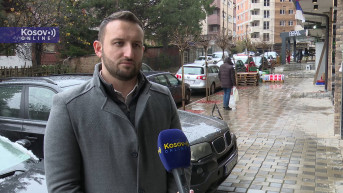
Marko Milenkovic from the NGO "New Social Initiative" told Kosovo Online that the decision by the Central Bank of Kosovo on cash operations, which led to the prohibition of using dinars in Kosovo, has directly affected the Serbian community and significantly complicated life and normal functioning throughout the past year.
He assessed that there was no political will in Pristina to find a solution to this issue, despite announcements that it would be addressed within the Kosovo institutions.
Currently, he said, he is not optimistic about the situation regarding the dinar and reminded that there had been more than seven meetings in Brussels directly concerning the payment issues from Serbia.
"What we need is the political will to address these issues and to understand the problems in the Serbian community. This issue is unsolvable without a broader framework and results in dialogue, and without establishing the Community of Serbian Municipalities, as it was supposed to regulate payment transactions from Serbia and many other things, including the functioning of Serbian institutions operating in Kosovo, which still conduct transactions in dinars. The CSM is an obligation that Pristina has taken on, with pressures from the international community to send the CSM draft statute to the Constitutional Court and to start its implementation. Without these steps, I do not see how the problem with the dinar can be overcome," Milenkovic said.
In the coming period, he expects greater pressure from the international community to make progress in Pristina towards forming the CSM and solving the increasing problems for the Serbian community in Kosovo.
According to him, the ban on the dinar has most affected pensioners and socially vulnerable categories of the population who have difficulty accessing their money.
"Money here is not readily available, so people manage by going to the nearest places in central Serbia where they withdraw it, thereby increasing costs. Besides these vulnerable groups, employees in the education and health sectors, institutions functioning under the Republic of Serbia, healthcare, and education, as well as many other sectors that cannot perform dinar operations, are also at risk. Our latest research, which is ongoing and covers the situation in the business sector in the north, shows that businesses are very threatened by decisions such as the ban on importing goods and the ban on using dinars. People now withdraw money in places in central Serbia and mostly spend it there, whereas previously that money was intended for businesses here. We had more cash in circulation, and business sectors and all other sectors functioned more normally and better," he stated.
He added that students who cannot meet their financial obligations and sectors such as elementary education, kindergartens, and supply are also facing problems.


0 comments