
Milic: Personnel changes in the EU will not lead to a change in policy regarding Kosovo
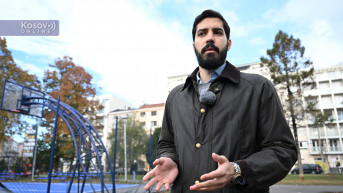
When personnel policies were conducted for key positions within the EU, there was a considerable amount of political trading, primarily between Berlin and Paris, and this is likely to be the case in choosing the successor to Charles Michel, who announced that he would shorten his term as President of the European Council due to his candidacy in the European Parliament elections in June, political analyst Dimitrije Milic from the New Third Way says for Kosovo Online.
"During the selection of personnel for both the European Council and the European Commission, French President Emmanuel Macron had a significant influence. The European liberals obtained the position of President of the European Council through this personnel policy. Charles Michel, the current President of the European Council, comes from a Belgian liberal party. Therefore, based on inertia, Michel will probably be succeeded by someone from the group of European liberals, likely from a party currently in power," Milic believes.
In the case of selecting Michel's successor, our interlocutor adds that respect for a smaller state would likely be shown to avoid Germany, France, and Italy monopolizing important functions in the EU.
"We could expect someone from a smaller state, where liberals have political weight, to assume this function. Perhaps it will be someone like Mark Rutte, the former Dutch Prime Minister, who comes from a country where liberals have been in power until recently. Rutte has shown great interest in the Kosovo issue when he last visited President Vucic and the so-called Kosovo institutions. So, someone along those lines could probably be elected," Milic notes.
Regarding suggestions that Hungarian Prime Minister Viktor Orban might take Michel's place because Budapest is slated to hold the EU presidency in the second half of the year, Milic points out that whatever personnel combinations occur, they will not significantly change matters concerning important issues for Serbia.
"There are elections for the European Parliament, where new bodies are formed, and we have a new snapshot of the situation both in the EP and in the national states, as we will have elections there too. In that sense, this year should not bring about significant political changes regarding Kosovo, except, of course, that the pressure might decrease due to the elections and the process of selecting new personnel," Milic concludes.


0 comments