
Milic: The US and EU have tools to deter unilateral actions; Pristina relies on Germany
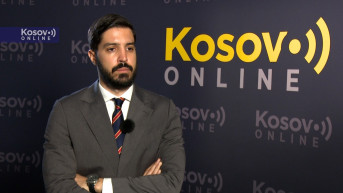
Dimitrije Milic, the Program Director of the "New Third Way" organization, says that the Quint countries, especially the US and the EU, "have the tools" to deter Kosovo from taking unilateral actions, including the opening of the main bridge on the Ibar River, while Pristina expects that Germany and the United Kingdom might oppose such deterrence.
He explains that the biggest risk for Pristina would be if the EU, directly in conjunction with the US, threatened concrete negative measures or some form of sanctions.
"That would be the biggest deterrent tool. It would involve all the countries that more or less disagree with the decision, regardless of whether they have publicly proclaimed it or not. If that becomes the official American and European position, the message is very clear," Milic told Kosovo Online.
He says that the Quint member countries have so far demonstrated unity in opposing the decision to unilaterally open the main bridge on the Ibar, while Pristina hopes that Germany and, to some extent, the United Kingdom might have "a somewhat more conciliatory tone" on this issue.
"Until now, we haven't heard a single official from the Quint, from any of the Quint states, who publicly supported this decision. On the contrary, we've seen several officials, and representatives of these countries, who condemned this decision and consider it an unnecessary escalation measure. We've heard this from France, the US... What I assume is that Pristina expects that Germany might have a slightly more conciliatory tone in relation to concrete actions. I also assume the United Kingdom, but more relying on previous patterns," Milic said.
He reminds that the previous UK government, led by the Conservatives, as well as the Foreign Affairs Committee of the Parliament, "definitely stood on Pristina's side."
"Given the change of government in the United Kingdom, we haven't yet seen such clear positions from the Labour Party on this issue because they haven't focused on this topic," he noted.
Regarding Germany's stance, Milic does not rule out the possibility of a change in "tone" compared to other Quint members.
"I assume that in this lineup of states, we might see some different tone from Germany, but we haven't seen it yet, at least not publicly," Milic concluded.


0 comments