
Mitic on Hill's statement: Scandalous that the West, even after ten years, is still demanding concessions from Serbia for the formation of the CSM
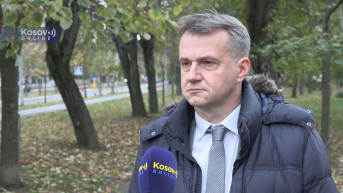
Aleksandar Mitic, a research associate at the Institute for International Politics and Economics, finds it scandalous that, after ten years during which the Community of Serb Municipalities in Kosovo has not been formed, the West is once again seeking a concession from Serbia for it to be realized. That is how he comments on the statement by US Ambassador to Belgrade Christopher Hill, who said that Pristina should form the Community of Serb Municipalities, but in return, Serbia should "step back" and allow Kosovo to seek membership in the international community.
"It is scandalous that Serbia is once again being asked for concessions after ten years of the West's responsibility for the non-implementation of the CSM. The Brussels Agreement was a very bad compromise, very problematic for Serbia, and throughout these ten years, new concessions have been constantly sought from Serbia to achieve what was promised and endorsed not only by the EU but also by the negotiators at that time. I think it was Philip Reeker whispering to Ashton about how the Brussels Agreement should look. So, the Americans also bear great responsibility due to their influence in Pristina," Mitic explains.
As he assesses, Serbia is being asked to renounce Kosovo and sever all ties with it.
"What is obvious is that Serbia is being asked for what is the Franco-German plan, to renounce Kosovo and Metohija. To practically sever the connection it has with Kosovo, such that, as Hill hopes, Kosovo will, at one point, like when you cut the rope on a boat and that boat goes into the open sea, go around the world seeking its docking point in some international organizations. Whether these will be UN-related organizations or others is absolutely irrelevant for us at this moment," Mitic states.
Mitic emphasizes that it is crucial for Serbia not to allow de facto recognition and not to deviate from the foundation of its policy.
"We must not allow that international legitimacy, that de facto recognition sought from Serbia, because there is an attempt to negotiate, to lower our negotiating position, and hence, there is this international pressure and concentration of pressures we have from Washington, Berlin, Brussels, Paris... If we give up the foundation of our policy, which is no de jure or de facto recognition, it will not bode well for us," Mitic concludes.


0 comments