
Molina: Spain maintains a firm stance of not recognizing Kosovo
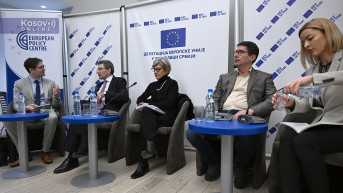
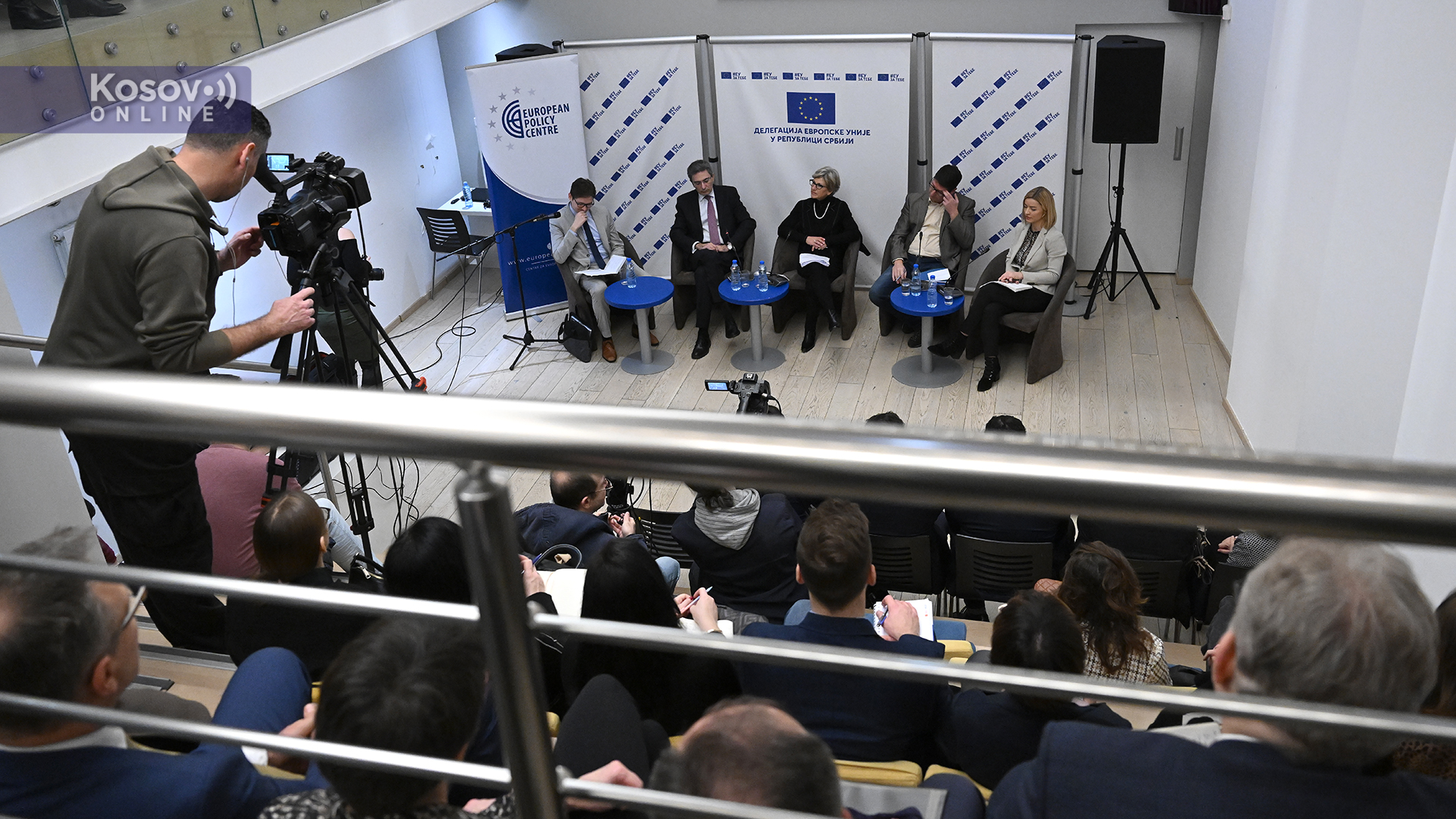
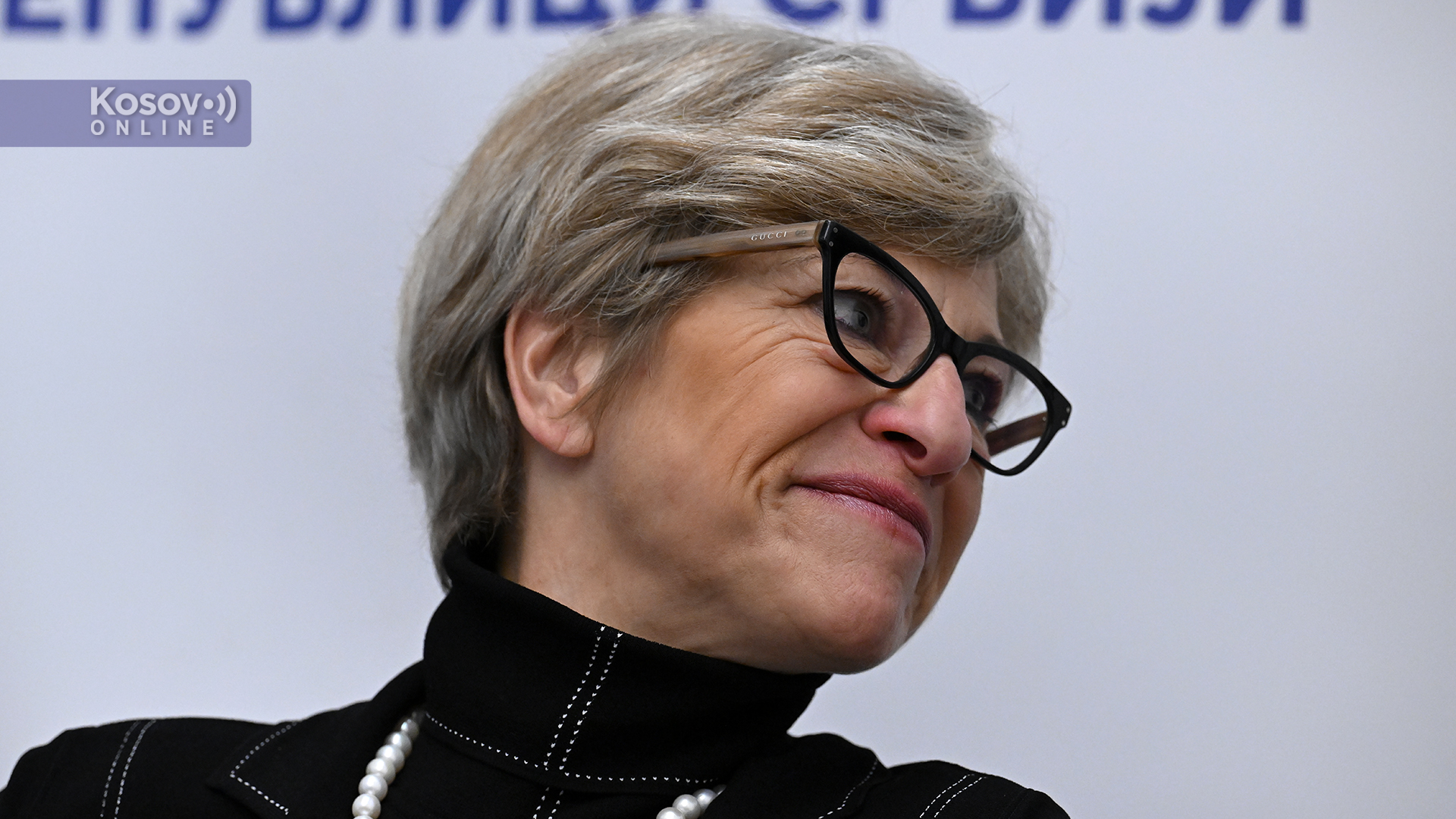
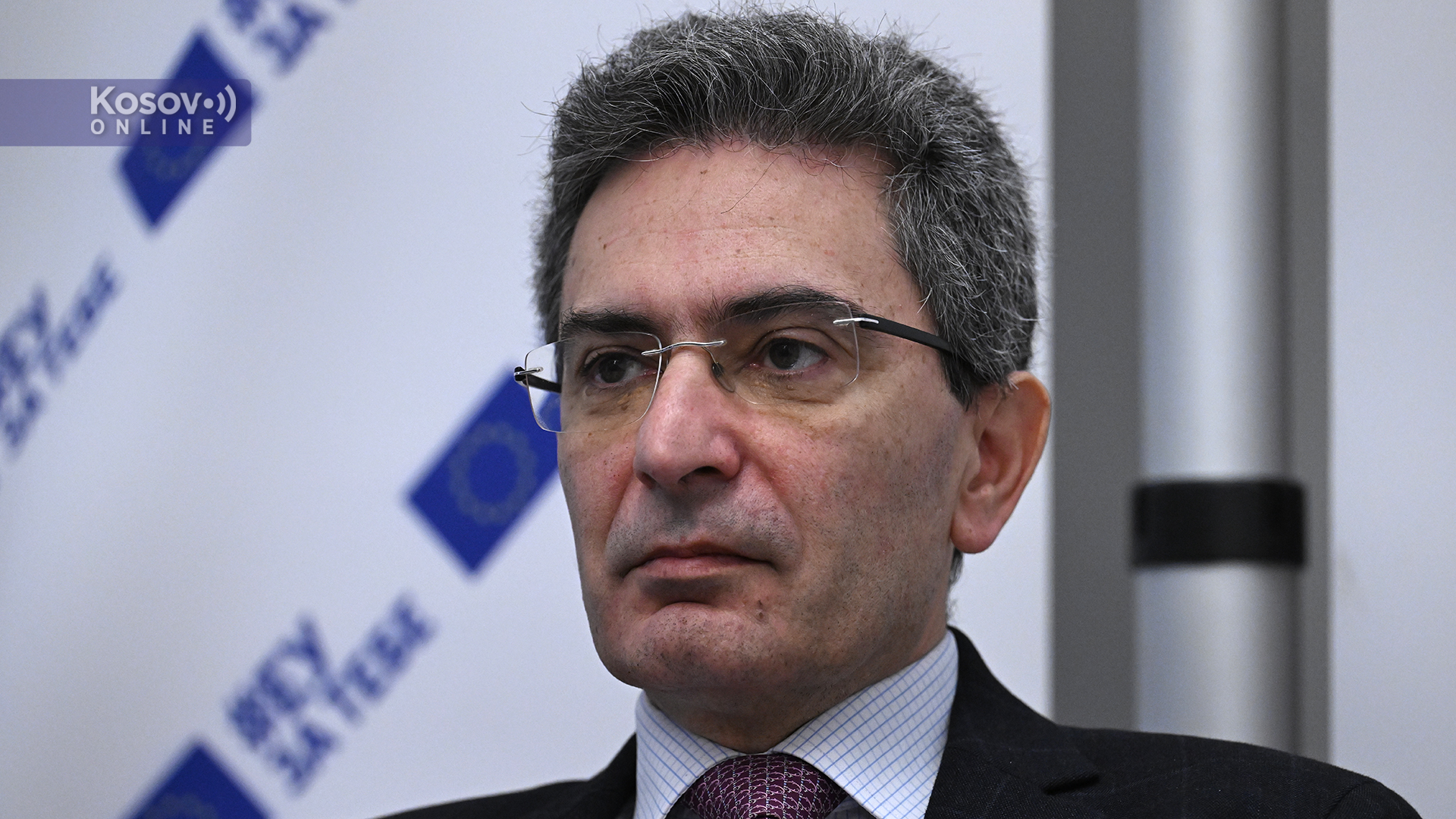
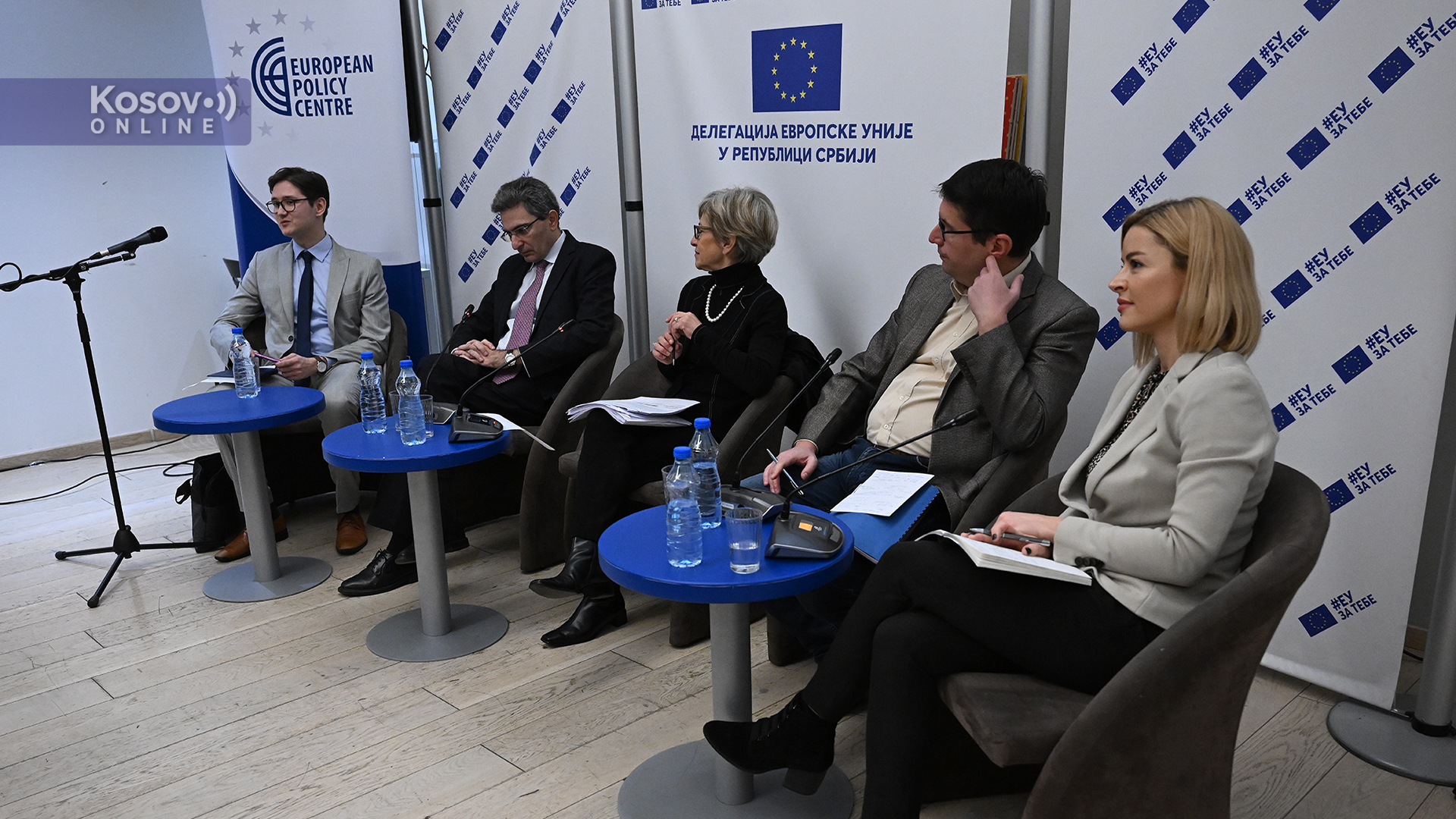
Ambassador of Spain in Belgrade, Raul Bartolome Molina, stated at a gathering organized by the Center for European Policy that his country firmly maintained its position of not recognizing the independence of Kosovo.
"As you all know, Spain is a country that does not recognize the unilateral declaration of Kosovo's recognition, and our position has not changed. Kosovo's application for EU membership is currently on hold. We are waiting for a legal opinion on this matter, but Spain does not support that candidacy, just as it does not support Kosovo's membership in any international institution or organization. It is a country that unilaterally declared independence, and we do not recognize it. We do not even refer to Kosovo as a territory. We are not in favor of it, and that will not change", Molina said at the gathering organized by the Center for European Policy on the conclusion of Spain's EU presidency and the takeover of the presidency by Belgium from January 1, 2024.
Belgian Ambassador, Cathy Buggenhout, stated that it was a great honor for Belgium to preside over the EU for the fourth time, but she could not comment more precisely on yesterday's conclusions of the Council of Presidents of States and Governments.
"From Serbia, we expect to do a series of things. Cluster three is obviously conditioned by progress in the near future. The commitment of the 27 EU countries to enlargement is complete, and there is no doubt about that. We fully support the countries of the Western Balkans, as well as Ukraine and Moldova", Buggenhout said.
She emphasized that it was clear that the EU's goal was enlargement, which would also include the Western Balkans, as evidenced by the decision to open negotiations with Ukraine, Georgia, and Moldova. She stated that the Western Balkans was expected to harmonize regulations with EU regulations in the process of progressing towards enlargement.
Milena Mihajlovic from the Center for European Policy said that it was significant that Belgium was taking over the presidency of the EU Council, which would be responsible for facilitating agreements and negotiations between EU member states. She added that it was important that EU enlargement had returned to the agenda.
"Enlargement has definitely returned to the highest political agenda of the EU, and currently, member states are preparing their proposals and teams to work on connecting for enlargement. We see that the European Commission has also stepped up efforts to encourage candidate countries in new ways to reform and accelerate their path to EU membership", Mihajlovic said, explaining that there would be a "phased" approach to EU accession.
She assessed that normalization of relations with Kosovo would certainly be a condition for Serbia.
"The normalization process between Belgrade and Pristina is a condition that is emphasized everywhere", Mihajlovic emphasized.
Emanuele Giaufret, the head of the EU office in Serbia, believes that the messages coming from Brussels regarding the possibility of EU enlargement are good news for the Western Balkans as well.
He adds that it is important to align legal regulations with EU regulations, especially when it comes to the rule of law. It is also crucial for Western Balkan countries to integrate into the EU market and open up the possibility of using funds from accession funds.
"Every time I went to Brussels in the last 12 months, the message was clear and consistent. This is serious. There is a serious change in approach due to the geopolitical shifts caused by the aggression in Ukraine. And we see that in these 12 months, the narrative has changed, we see initiatives and concrete steps that the EU has taken to, on the one hand, open its market to the east, and on the other, to revive and accelerate the Western Balkans market", Giaufret said.
Speaking via video link, Giaufret added that the EU had shown readiness to open negotiations with Ukraine and Moldova, grant candidate status to Georgia, and work decisively with Western Balkan countries to accelerate their integration.
"This will, of course, require intensifying reforms, a lot of work from the Western Balkan countries, a lot of work on the EU side, and under the EU presidency. Enlargement is a merit-based process and will remain so, but there is new life in the process", Giaufret concluded.



0 comments