
Vujinovic: Surprising that Due complained about lack of cooperation between international organizations and UNMIK
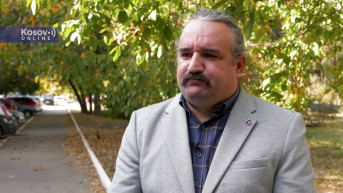
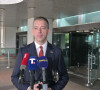
Security studies researcher Nikola Vujinovic said that nothing new had been heard at the UN Security Council session at which UNMIK’s semi-annual report on the situation in Kosovo was discussed, but that it was surprising that the mission’s chief, Peter Due, had complained about international cooperation, saying that KFOR, EULEX and other international organizations were not cooperating with UNMIK.
“We heard nothing new. We heard the positions of all sides—the permanent members of the UN Security Council presented their views, Peter Due presented his, Serbia presented its position and so did the so-called Kosovo. There was nothing surprising there. What was somewhat surprising was the report itself, in which Due said that the overall security situation was stable, but then cited examples showing that security was not stable. What surprised me, however, was the fact that he complained about international cooperation, saying that KFOR, EULEX and other international organizations were not cooperating with UNMIK,” Vujinovic told Kosovo Online.
He noted that this was also evident from the statements made by representatives of the permanent members of the UN Security Council—the United States, the United Kingdom and France—who said that UNMIK’s mandate had run its course and should be terminated, while representatives of Russia and China argued that the mission’s mandate should be strengthened.
“Calls for dialogue were expected, while the calls for the Community of Serb Municipalities to finally be established were somewhat surprising to me. Whether this is merely diplomatic language or whether there will be some concrete follow-up remains to be seen in the coming months,” Vujinovic said.
Regarding the attention devoted in the report to the amendments to the Law on the Specialist Chambers, Vujinovic said that this had also been surprising, even though their adoption had been condemned by all international actors, including the court in The Hague, which, in a way, had sent a message that it would not recognize them.
“Peter Due devoted considerable attention to this and prompted Glauk Konjufca to take a somewhat tougher stance toward UNMIK than I had expected. But that, too, was primarily due to reactions in Kosovo itself, where Daut Haradinaj and others strongly criticized Konjufca for not defending the amendments vigorously enough, even though Self-Determination had supported them,” Vujinovic explained.
He expressed hope that Due’s condemnation meant that an attempt would actually be made to change something on the ground.
“We have seen that diplomatic platitudes and condemnations mean nothing in practical politics, while the so-called Kosovo continues to be supported and encouraged and its violence is overlooked. But I hope that, now that we see all international actors condemning this, it may be a sign that some changes could follow,” Vujinovic concluded.
comments