
Molliqaj: Serbs won’t return to Kosovo’s institutions until the CSM is formed
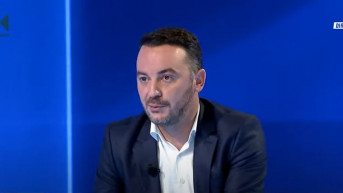
The president of the Social Democratic Party of Kosovo, Dardan Molliqaj, said that the Serbs would not return to the institutions until the Community of Serb-majority Municipalities was formed and added that the agreement on the license plates was accelerated by the CSM issue, Klan Kosova reports.
"It is clear that the Serbs will not return to the institutions of Kosovo without the implementation of the CSM. This can be postponed to December, January or February. However, we in SDP say that the license plates accelerated the CSM formation. The only question is whether the CSM should be formed before the agreement according to the Franco-German plan, or whether it should be a part of it," Molliqaj said.
He adds that the Franco-German plan was created as a result of a non-transparent dialogue led by Kosovo Prime Minister Albin Kurti.
"The two countries that have recognized Kosovo propose a plan that does not include the recognition of Kosovo by Serbia. This is due to the form that Kurti uses in the dialogue. Here, the responsibility of the Government of Kosovo is that it did not try to find a permanent solution, I do not guarantee they would succeed, but I certainly consider the Government responsible. I said that Kurti cannot lead a dialogue that leads to a final agreement", Molliqaj emphasized.
Molliqaj added that Kurti made compromises, even though in the past he criticized previous governments precisely because of it.
He emphasized that Kurti abused relations with the United States of America in order to protect himself because of the agreement reached in Brussels on the license plates.
"The American ambassador shared this information with Kurti. However, Kurti decided to abuse relations with the United States of America in order to protect himself, to say that the compromise he made did not mean that he was weak but that he trusted America as an ally who had some information. This is just an abuse of the relationship with the American ambassador", Molliqaj says.

0 comments