
Nedeljkovic: Congresswoman Tenney's initiative a significant shift compared to earlier U.S. policy
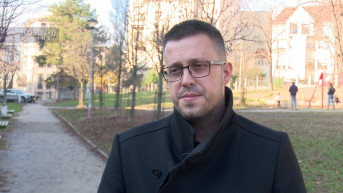
Stevan Nedeljkovic, an associate professor at the Faculty of Political Sciences in Belgrade, says to Kosovo Online that Claudia Tenney, who comes from the Republican Party, and Democrat Eric Swalwell are currently among the greatest friends of Serbia in the U.S. Congress. He emphasizes that their initiatives, including Congresswoman Tenney's recent bill supporting the Brussels Agreement, which proposes withholding support for Kosovo until it fulfills its obligations from the dialogue with Belgrade, represent something we haven't seen in the past.
"These initiatives are benevolent towards Serbia, and it seems to me that they are very mindful of the national interests of our country. It is indeed a positive step and, to some extent, a signal of the good work of the Embassy of Serbia in the United States," Nedeljkovic believes.
He adds that, on the other hand, Pristina has been on thin ice regarding the U.S., with certain aid being suspended, and there were no high-level meetings.
"I would say that the unfortunate events in Banjska, in a way, turned that around. In this regard, the initiative coming from Congresswoman Tenney can be a good impetus to enhance the dialogue between Belgrade and Pristina, and, on the other hand, a return to the 'carrot and stick' policy when it comes to Pristina. If you don't fulfill your obligations, you know what to expect. It's not beating, but it is withholding the assistance you had before. It is a drastic shift, and it should be emphasized, compared to the policy that existed before, especially in 2008, when U.S. support for Pristina was almost boundless. In my judgment, this is something that should make us happy," Nedeljkovic states.
He also comments on Congresswoman Tenney's detailed enumeration of the agreements and obligations that Pristina has violated in the bill she presented to the House of Representatives, highlighting the situation on the ground and what the Serbs in Kosovo are facing. When asked if this is additional pressure on the Kosovo Government and Prime Minister Albin Kurti and whether it can help change the policy of unilateral actions and constant provocation of tensions and crises, Nedeljkovic emphasizes that the significance of Congresswoman Tenney's initiative is twofold.
"The first is political because it is essential to acquaint the U.S. Congress with all the problems that Serbs face in Kosovo. Secondly, it is a public diplomacy act, a way to inform the American public, which finds it challenging even to position Serbia on maps, let alone something more. They remember us from the 1990s, recalling Serbia as someone who was the 'bad guy' in the Balkan relations. Now, I would say it is time to reverse that, and such initiatives are more than welcome," Nedeljkovic concludes.

0 comments