
The official Sofia again calls the Gorani people in Kosovo – Bulgarians
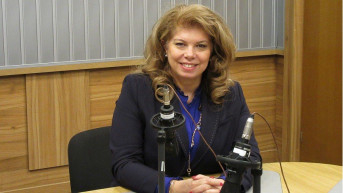
The Vice-President of Bulgaria, Iliana Iotova, visited the areas in Kosovo where, according to the Bulgarian news agency BTA, the Bulgarian ethnic community lives and again requested that they be granted minority status, Beta reports.
According to BTA, the Bulgarian community in Kosovo numbers about 15,000 people, who live in 20 villages in the municipality of Dragash, 19 villages in the municipality of Prizren, and in ten villages each in the municipalities of Orahovac and Strpce.
Ever since Kosovo unilaterally declared independence, and Bulgaria was among the first countries to recognize it, Sofia has been asking for the Gorani people to be officially recognized as a Bulgarian minority in Kosovo. Since 2012, according to the media, Sofia has been offering citizenship to Gorani people through an accelerated procedure, if they declare that they are of Bulgarian origin.
In Kosovo, Iotova also met with representatives of the non-governmental association United Bulgarians of Kosovo, based in Gornji Krstac, and that association, as BTA reported yesterday, "mainly deals with the development of cultural and educational activities among Muslim Bulgarians in the Gora region".
Iotova also met with members of the Cultural and Educational Society of Bulgarians in Zupa, Podgora, and the region.
In 2018, the organization United Bulgarians of Kosovo submitted a request to recognize the Bulgarian minority in Kosovo, and this request was again sent to the parliament in Pristina at the beginning of the year.
During the official visit to Kosovo, and earlier, in Iotova's conversation with Kosovo President Vjosa Osmani, the emphasis was on "the status of citizens of Kosovo with a Bulgarian identity, and the goal is to grant them community status and membership in the National Council of Minorities in Kosovo, and then to a Bulgarian school is being founded that would work on weekends," BTA writes.
Iotova said that she had received assurances that her request would be considered in the Kosovo parliament, after consultations with the Committee for Ethnic Affairs and Prime Minister Albin Kurti.
"Osmani repeated the proposal she made earlier during her visit to Sofia that Bulgarians had one representative in the National Council of Minorities, who would participate in the work of the council in an informal capacity while the procedures are underway," Iotova said.
It was a sign of goodwill, because, in such a multi-ethnic state as Kosovo, these were delicate things, Iotova said.
BTA writes that "Bulgarians from Kosovo who graduated from Bulgarian universities or are currently studying there" met with the vice-president, adding that Bulgaria offers young people from Kosovo the opportunity to acquire higher education and learn the language and that only last year Bulgarian faculties received 42 students from Kosovo.
0 comments