
Pavkovic: Kurti was forced into a compromise by the protests, PDK gains points with voters
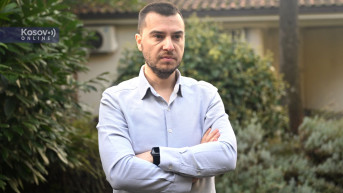
Milos Pavkovic, Director of Strategy at the Center for European Policies in Belgrade, believes that the agreement between Self-Determination and the PDK on the election of Kosovo's president was reached at the last moment, as Kosovo Prime Minister Albin Kurti was forced to compromise amid tensions and protests by KLA supporters.
“I think the agreement was indeed reached at the last moment. Amid tensions and protests, it forced Kurti to weigh his options and, in a way, acknowledge defeat by accepting a compromise candidate for president. He also assessed that new parliamentary elections would not work in his favor. The question is whether he could repeat his success,” Pavkovic told Kosovo Online.
On the other hand, Pavkovic said, new parliamentary elections would not have benefited the opposition parties either.
“So, although negotiations continued throughout September, the final agreement on the president was probably reached at the very last moment,” our interlocutor said.
He noted that although it was part of a package deal with the election of the president, the adoption of amendments to the Law on the Kosovo Specialist Chambers was a “plus” for the PDK.
“What the agreement delivered was an amendment to the Law on the Kosovo Specialist Chambers. This was one of the conditions and was part of the package deal for electing the president. What Hamza and his party gained was being portrayed as the side that proposed the law and secured credit for its adoption, even though it was part of a package deal involving the presidency and cooperation with Self-Determination. This could potentially earn them points with Kosovo voters, while the impact on their approval ratings will become clear over time,” he said.
According to him, Kurti emerged from the negotiations as a “savior” who had led Kosovo out of a political crisis, although he had failed to impose his own candidate for president.
“He waited until the very last moment and tried to impose his own candidate. It should also be noted that the political dynamics in Kosovo changed with the protests. We had 10 to 15 days of continuous protests, which had a very negative impact on Kurti and his approval ratings. He was forced to choose between risking new elections and plunging into great uncertainty, or reaching a compromise, electing a president and adopting the amendments to the law,” Pavkovic said.


0 comments