
Pavkovic: A new package of measures for Kosovo is uncertain, the EU does not want to escalate the situation further
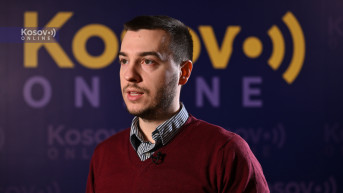
Milos Pavkovic, an associate of the Center for European Policy, stated that despite the strong reaction to unilateral actions by the authorities in Pristina, south of the Ibar River, he does not expect the EU to impose an additional package of sanctions on Kosovo.
“When we talk about a new package of measures, I believe that at this moment it is unlikely, considering that the EU is not prepared and does not want to further escalate the situation, neither with Pristina nor with the Western Balkans in general. The focus is more on improving relations, prioritizing enlargement policies, and opening additional instruments of financial support,” Pavkovic said to Kosovo Online.
He is convinced that the EU will attempt a “soft approach” of appeasement because sanctions against Kosovo have proven to have the opposite effect.
“I believe the EU will focus more on those ‘soft’ measures, providing funds to appease governments rather than punishing them. It has been shown that punitive measures against Kosovo have had the completely opposite effect, as the Kosovo government intensified the situation and raised tensions after measures were introduced,” Pavkovic emphasized.
Commenting on calls for the removal of these measures, the analyst doubts the EU will discuss the matter before the formation of a new government.
“The measures have been in place since June 2023, and by the end of last year, there was an initiative to remove them. However, the government in Pristina continued with unilateral actions, prompting new condemnations. Therefore, I believe that voting on the removal of measures has been set aside. It will not be a topic until elections in Kosovo are completed, a new government is formed, and the process progresses dynamically,” Pavkovic stated confidently.
He adds that the question remains about what new measures would be effective if the current ones are not producing results.
“This is primarily a question for politicians in Brussels and EU member states, as well as those interested in dialogue, to develop concrete policies that can show results on the ground. If the current pace we have seen over the past two or three years continues, not only will there be no progress in normalizing relations and dialogue between Belgrade and Pristina, but we may also see additional tensions that no one can predict the consequences of,” Pavkovic stressed.
He is convinced that the Kosovo Prime Minister, unless there are significant changes among international actors, will continue with unilateral actions.
He believes that instead of the EU, this could fall to a new US administration.
“I would say that the US has always had much greater influence in Pristina than the EU. They have had much better mechanisms of control, given that the US has its military contingent within KFOR and can exert much more pressure on Pristina,” Pavkovic explained.
The American administration led by Joseph Biden has not shown interest in addressing this issue, but Pavkovic expects changes from new people in the White House and the fact that Richard Grenell has been tasked with addressing various global hotspots.
“Considering that Richard Grenell is back in the administration and is very interested in Kosovo, and now has a role within the White House dealing with various global hotspots, which can include Kosovo and Metohija, we might expect the Americans to get more involved. The question is how much Washington's actions will coordinate with Brussels and how much credibility Brussels might lose in the process,” Pavkovic warned.


0 comments