
Pavkovic: Osmani attempted to warm relations between the current U.S. administration and Pristina, but failed
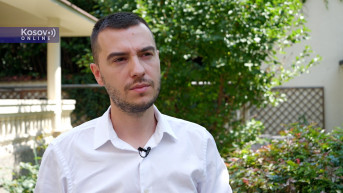
Milos Pavkovic, associate of the European Policy Centre in Belgrade, assessed that Kosovo President Vjosa Osmani, by referencing statements made by U.S. President Donald Trump regarding efforts to prevent conflict between Kosovo and Serbia, sought to present herself as a potential partner and to improve relations between the current U.S. administration and Pristina. However, he argued, her attempt failed due to strong pushback from Richard Grenell.
“The focus here wasn’t really on whether there were actual indications of an armed conflict in Kosovo. Osmani simply tried to use this narrative to establish some sort of connection with the White House. Of course, it’s always possible that things happen behind the scenes, out of the public eye, but I believe the real intention here was to use Trump’s statement as a means to build a link between the current President of Kosovo and President Donald Trump,” Pavkovic told Kosovo Online.
Commenting on Osmani’s claim that the 2020 Washington Agreement has been implemented, Pavkovic noted that only two or three provisions were fulfilled, while the majority remain unimplemented.
“Implemented provisions include Serbia halting its derecognition campaign and Kosovo refraining from applying to international organizations for one year, Israel’s recognition of Kosovo, and the clause regarding insecure 5G technology, referring to Huawei.
However, some of the most important elements for the normalization process have not been realized — such as the construction of the Belgrade–Pristina railway, the Nis–Pristina ‘Peace Highway’, and the establishment of direct air travel between Belgrade and Pristina. These are all measures that could have contributed to economic normalization on the ground, paving the way for broader political normalization,” Pavkovic explained.
He concluded that, from Pristina’s perspective, Israel’s recognition and the resumption of efforts to join international organizations are considered the most significant and decisive achievements.
“From their point of view, the entire Washington Agreement has been fulfilled if those two conditions are met. But in reality, we see that many provisions remain unfulfilled — such as Kosovo’s membership in the then-called ‘Mini-Schengen’ or Open Balkan initiative, which Pristina committed to under the agreement.
All of that could have facilitated a genuine normalization process, but now, five years later, no one even talks about these issues anymore,” Pavkovic emphasized.



0 comments