
Pavkovic: In Skopje, it will be reiterated that the implementation of the agreement is required for the six billion euros from the EU
At the meeting of regional leaders regarding the EU's Plan for the Growth of the Western Balkans, where, in addition to European representatives, Assistant Secretary of State James O'Brien will be present in Skopje, a message will be sent that this Brussels idea is still "alive", that serious reform processes are needed to access the funds from the six-billion-euro package, and Belgrade and Pristina will be further reminded that the key criterion for them will be the implementation of the reached agreements, according to Milos Pavkovic from the Center for European Policy.
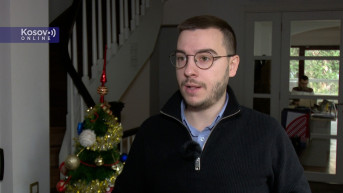
Pavkovic, speaking to Kosovo Online, points out that the idea of the Growth Plan for the Western Balkans, prepared by the European Union, is based on four pillars.
"The first pillar is the integration of the Western Balkans into the regional market, the second is its integration into the broader EU market. The third part involves reforms in fundamental, basic areas, and finally, the fourth, the most important pillar for us, is the financial support of six billion euros, of which two billion are allocated through grants and four through loans. This is financial support for the Western Balkans in economic development", he notes.
Regarding the meeting in Skopje, Pavkovic emphasizes that the idea is to send a message to the EU about the initiative itself and the expectations from partners in the Western Balkans.
"Probably, a message will be conveyed that the Growth Plan for the Western Balkans is alive, and being operationalized, and leaders will be reminded of the need to approach reforms more seriously, to understand them more seriously in the areas outlined by this plan so that the funds can be accessible. I would like to remind you that what is crucial with this plan is that the funds are conditioned on progress in reforms, so if there is no reform process, there will be no access to funds for a country that does not adhere to the reform agenda", our interlocutor emphasizes.
Top of Form
He adds that a clear message will be sent to Belgrade and Pristina that progress in the dialogue and the normalization process is also necessary for these funds to be available to both governments.
"When we talk about the dialogue between Belgrade and Pristina, 2023 was a year of great ups and downs. We had the Normalization Agreement reached in February, followed by a multitude of tensions and critical situations, from barricades, protests, and arrests all the way to Banjska. So, the EU, as the mediator in the dialogue, Miroslav Lajcak, primarily acted as a firefighter extinguishing fires, and there was not much room for progress in the dialogue and normalization process. Now the focus is on implementing the agreed-upon, and since tensions have subsided, or at least it seems so, to move towards implementation and progress in the dialogue. I expect that to be the EU's message, to move towards the implementation of the Normalization Agreement", Pavkovic says.


comments