
Pavkovic: Sørensen is seeking to put the Belgrade–Pristina dialogue back on the agenda of Pristina’s future government
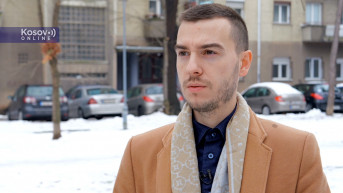
The sudden visit of the EU Special Representative for the Belgrade–Pristina dialogue, Peter Sørensen, to Kosovo, as well as his announced visit to Serbia, can be interpreted as an attempt by the European Union to revive the dialogue as early as the beginning of 2026 and to send clear expectations to the future government in Pristina, Miloš Pavkovic from the Centre for European Policy told Kosovo Online.
Pavkovic notes that it is difficult to offer definitive assessments of Sørensen’s visit, especially since it was sudden and unannounced, but that two important conclusions can nonetheless be drawn.
“First, Peter Sørensen’s mandate is nearing its end, and this visit can be interpreted as part of activities aimed at strengthening trust and extending his mandate. Second, now that the political situation in Pristina has become somewhat clearer, Sørensen likely wants to seize the moment to put the dialogue with Belgrade back on the agenda of the future government,” he said.
He adds that the dialogue has formally remained on the European Union’s agenda throughout, but that due to political instability in both Pristina and Belgrade during 2025 it was pushed to the sidelines.
“Some technical matters were taking place, but we did not have high-level meetings, so it seems to me that this is an attempt, right at the beginning of 2026, to make it clear to both Belgrade and Pristina that 2025 cannot be repeated and that the European Union has higher expectations of both sides,” Pavkovic assessed.
He also emphasized that the timing of the visit is related to the recently concluded elections in Kosovo and that it, in a way, represents acceptance of the election results.
“Bearing in mind that it is now fairly certain that the Self-Determination Movement will be able to form a government on its own, that it is more or less known that they will remain in power, and that Albin Kurti will remain prime minister, this visit is in some way an acceptance of the election results, but also an early addressing—namely, sending a message to the new government, even before it is formed—that there are clear expectations from Pristina when it comes to the dialogue,” Pavkovic concluded.

0 comments