
Petkovic: The March Pogrom was long-planned violence and ethnic cleansing
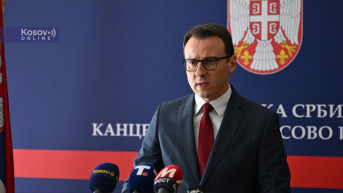
The Director of the Office for Kosovo and Metohija, Petar Petkovic, stated today, on the occasion of the 22nd anniversary of the March Pogrom of Serbs in Kosovo, that it was long-planned and prepared violence and ethnic cleansing. He also stressed that the suffering endured by Serbs in Kosovo in 2004 should not and must not happen to any people or social group, and that the tragic testimony about the dangers of chauvinism and political extremism must not be forgotten.
“On this day in 2004, a multi-day wave of violence by Albanian extremists began, directed against Serbs, with the aim of causing an exodus of our people from Kosovo and destroying everything that reminds of our state and national presence in that area. As a pretext for the outbreak of violence, the drowning of Albanian children in the village of Cabra was used, for which Albanian extremists falsely accused Serbs from the neighboring village of Zupce,” Petkovic recalled in a statement.
He emphasized that the rapid gathering of a large number of people and the coordinated attacks on numerous Serbian villages and settlements, as well as on religious and public buildings, show that the March Pogrom was long-planned and prepared violence and ethnic cleansing, and that only a sufficiently strong pretext was awaited.
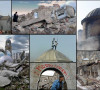
“During this violent rampage by Albanian extremists, eight Serbs were killed, more than 900 of our compatriots were wounded and injured, and more than four thousand were expelled, after which six towns and nine villages were left without a Serbian population. A total of 935 Serbian houses were destroyed or heavily damaged, 35 of our churches and monasteries were destroyed, as well as more than 100 church buildings. Although it is clear that the mass violence, which occurred simultaneously in many places across Kosovo and Metohija, was orchestrated in political circles, to this day no one has been held accountable for one of the greatest crimes in modern history, just as no one has been held accountable as a perpetrator or organizer of numerous other terrorist attacks against Serbs after 1999,” Petkovic said.
According to him, the mass lynching of Serbs was part of a plan for the complete ethnic cleansing of Kosovo, which in March 2004 was not fully carried out and has therefore remained, as he says, an “unfulfilled dream of extremist political structures in Pristina.”
“Remembering its victims and destroyed shrines, Serbia, led by President Aleksandar Vucic, is determined to ensure that something similar never happens again under any circumstances. Aware of the value of peace and stability in the region, our country will continue to be a constructive international actor and one that resolves disputes and disagreements through peaceful and democratic means. The suffering endured by Serbs in Kosovo and Metohija in 2004 should not and must not happen to any people or social group, and by keeping the memory of these distressing events alive, humanity as a whole preserves and does not forget a tragic testimony about the dangers of chauvinism and political extremism,” Petkovic concluded.

0 comments