
Petrovic: Pristina's path to a seat in the UN leads only through Serbia, and that will not happen
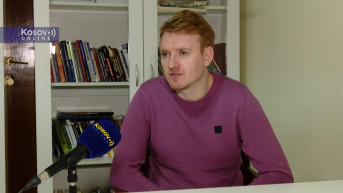
With all the attempts by the Albanian side to portray the events of the past 16 years as their victory, today we see a project that is either failed or at least unfinished, with no prospects of completion in the near future, Rajko Petrovic from the Institute for European Studies, says for Kosovo Online regarding the 16th anniversary of Kosovo's Declaration of Independence.
In his assessment, it is difficult to expect any new full-fledged UN member states to recognize Kosovo.
"There has been speculation by Albanian politicians and media that one of the five EU countries could do so, often mentioning Greece, but we saw after the recent visit of Greek Prime Minister Mitsotakis to Belgrade that this will certainly not happen. This will also not happen in the case of Spain, Slovakia, Romania, and Cyprus. If we look at the trend over the past six or seven years, where thanks to Serbia's diplomatic efforts, more than 15 countries have withdrawn recognition of so-called Kosovo, it becomes clear that things are turning increasingly unfavorable for this Albanian secessionist entity. Regarding membership in international organizations, especially the UN, it is clear that it's out of the question," Petrovic says.
When asked if he saw Kosovo in the UN in the next five or ten years, Petrovic says, "absolutely not".
"Serbia will never allow it, no matter what pressures there are, but I am confident that even with the already certain victory of Donald Trump in the presidential elections in the USA and the events in Ukraine and the Middle East, the situation will only work in our favor. The so-called Kosovo is not a state, it never was and never will be. Its path to a seat in the UN would only go through Serbia, but official Belgrade will never do that, and the most important thing is how to preserve our population in the southern province until then," Petrovic says.
Germany, Great Britain, and others, he adds, are already directly asking Serbia to recognize Kosovo, while Americans have long said that it's a done deal.
"The only thing we receive are different messages regarding whether there is room to form the Community of Serb-majority Municipalities. What the West is doing with Kurti is not preventing him from implementing things contrary to Resolution 1244 and the Brussels Agreement and agreements from the Brussels rounds of negotiations. With the occasional threat, they still allow it. I'm not sure that what Christopher Hill and Gabriel Escobar said, that Kurti will be sanctioned for what is happening, will be fulfilled because ultimately it serves the interests of Western power centers to continue their project of strengthening the independence of so-called Kosovo," Petrovic says.
Speaking about the policy of Pristina in the coming period, our interlocutor says that from Albin Kurti, who has been an outspoken extremist and prone to radical moves since his student days, we can expect only such things in the future.
"His moves over the past few months may seem to some as indicative of his strength, however, I believe they demonstrate his weakness and even desperation. It is entirely clear to him that the project of building the so-called 'Greater Albania' is not completed and that there are divided opinions within Western power centers on this issue, and they are preoccupied with events in Ukraine and the Middle East. He is now trying to exert additional pressure on Serbia. The problem is that his actions are tacitly or even approvingly confirmed by his mentors in the West, and our population in Kosovo will have trouble with the use of the dinar, and education and healthcare sectors will likely be the next targets of Kurti's extremist outbursts," Petrovic says.
0 comments