
Pupin Forum in Belgrade: U.S. no longer focused on Europe – and thus not on the Balkans
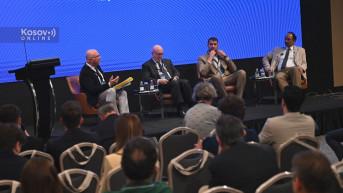
The Second Pupin Forum, held in Belgrade under the theme “Strategic Realignments: Innovation, Power, and the Rise of Agile Nations,” opened with a clear message: the world is entering a transitional era in which the United States no longer seeks to bear global responsibility, with its focus shifting away from Europe—and by extension, from the Balkans.
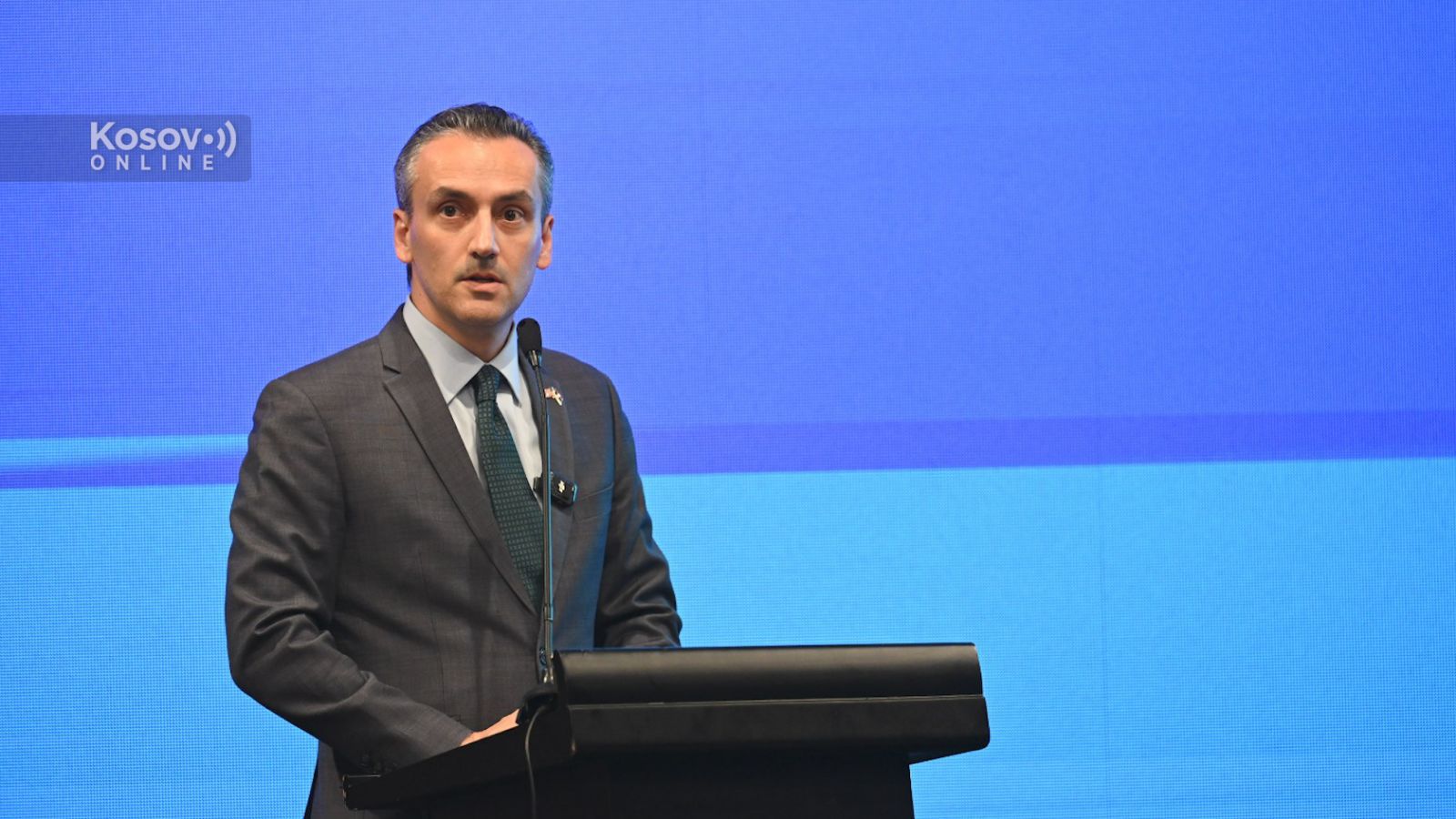
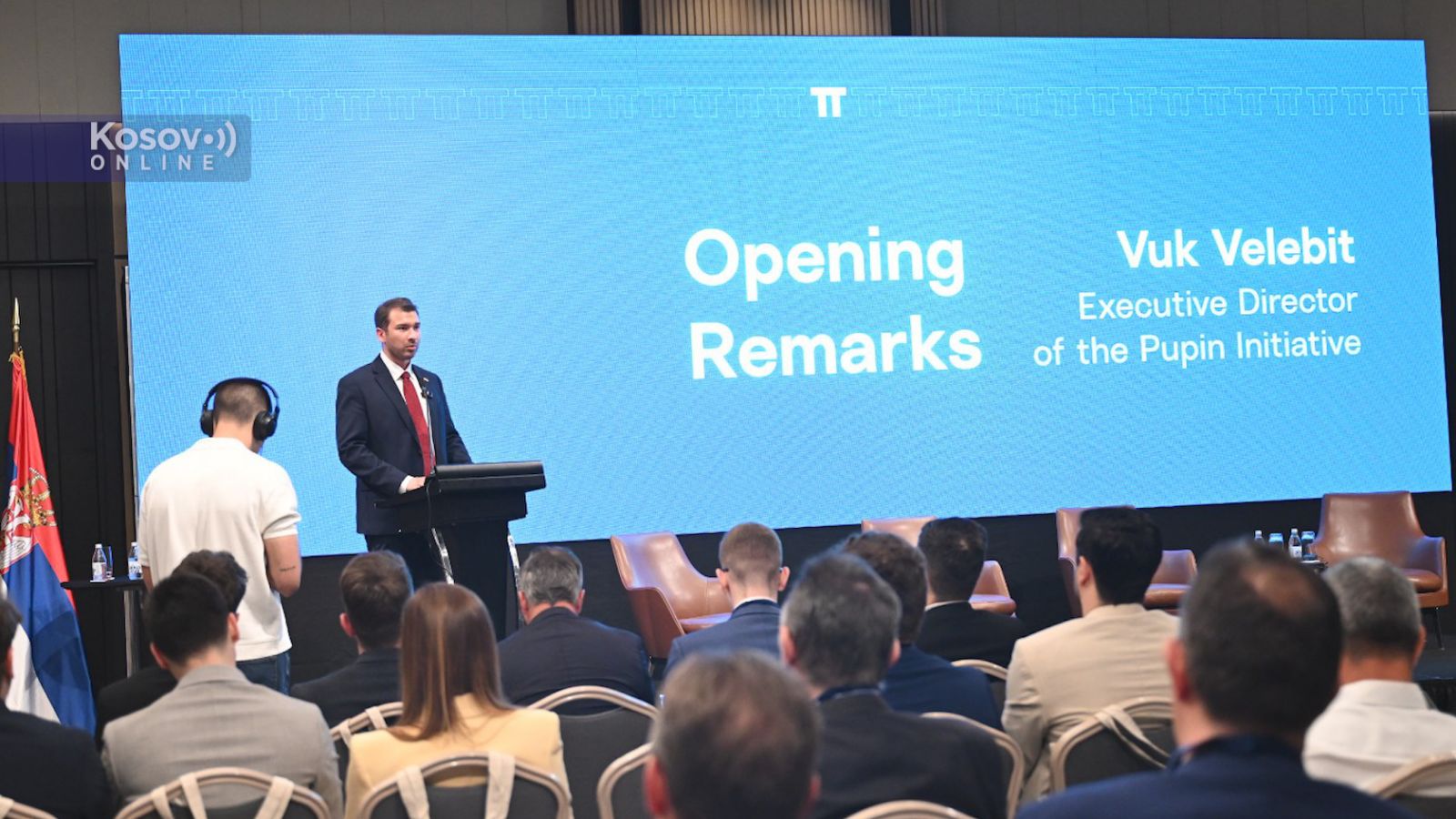
Vuk Velebit, Executive Director of the Pupin Initiative, emphasized in his opening remarks that two years ago, a shared vision brought together citizens of the United States and Serbia in a joint effort to strengthen bilateral relations.
“We share a common vision that good relations between the U.S. and Serbia are not only possible but essential. Today, we can proudly say that this vision has become a reality. We have built a bridge connecting two nations,” Velebit stated.
He noted that Serbia is navigating a period of profound geopolitical change.
U.S. Diplomatic Envoy: Opportunity in Serbia's Enthusiasm
Alexander Titolo, Chargé d’Affaires at the U.S. Embassy in Belgrade, characterized current U.S.-Serbia relations as entering “interesting times.”
“There is enthusiasm in Serbia for its ties with the United States. This is something that should be harnessed,” he said, adding that Serbia possesses the institutions, potential, and political will to be a regional leader—something the U.S. wishes to support.
Friedman: Europe Ready to Defend Itself
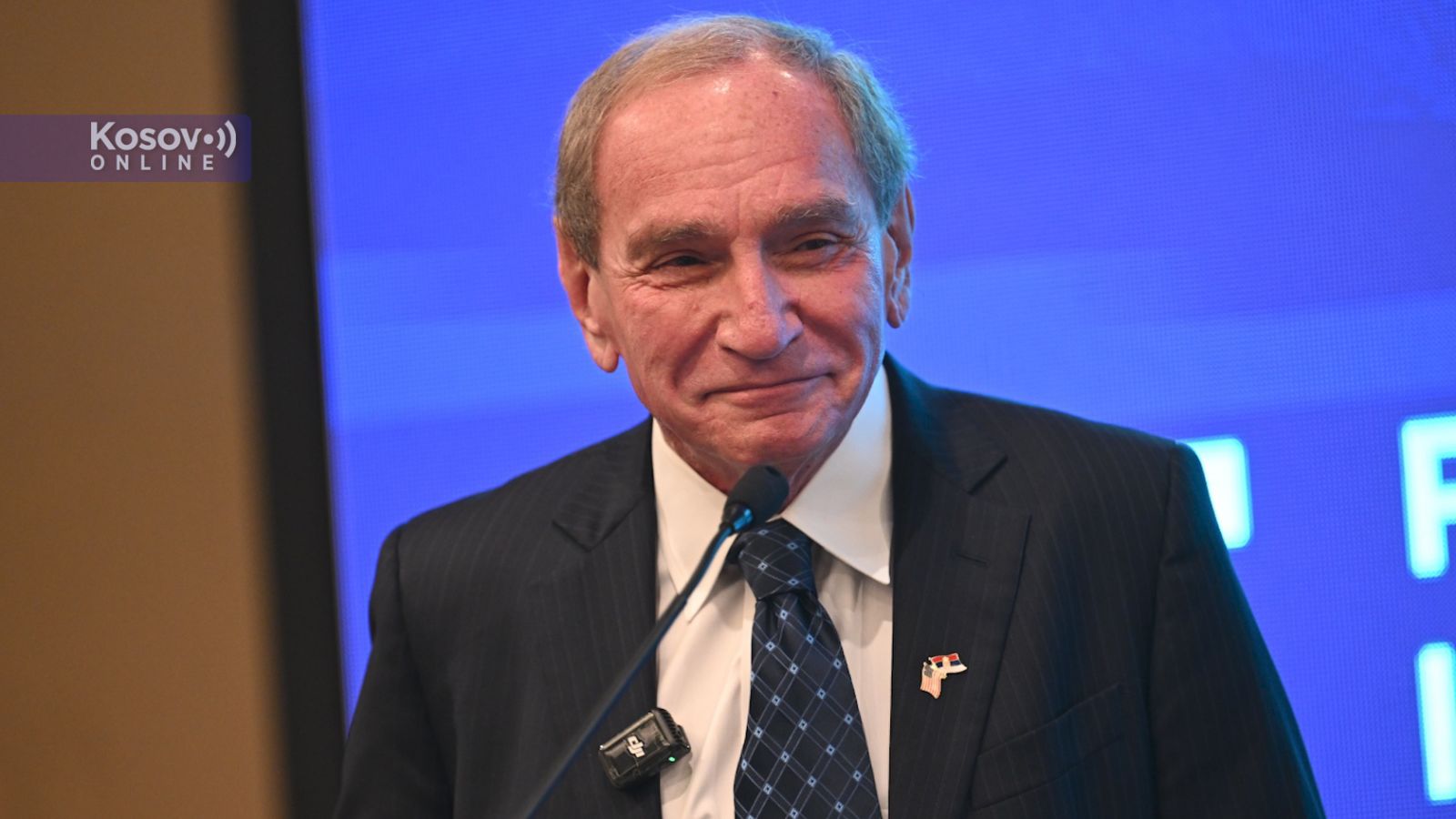
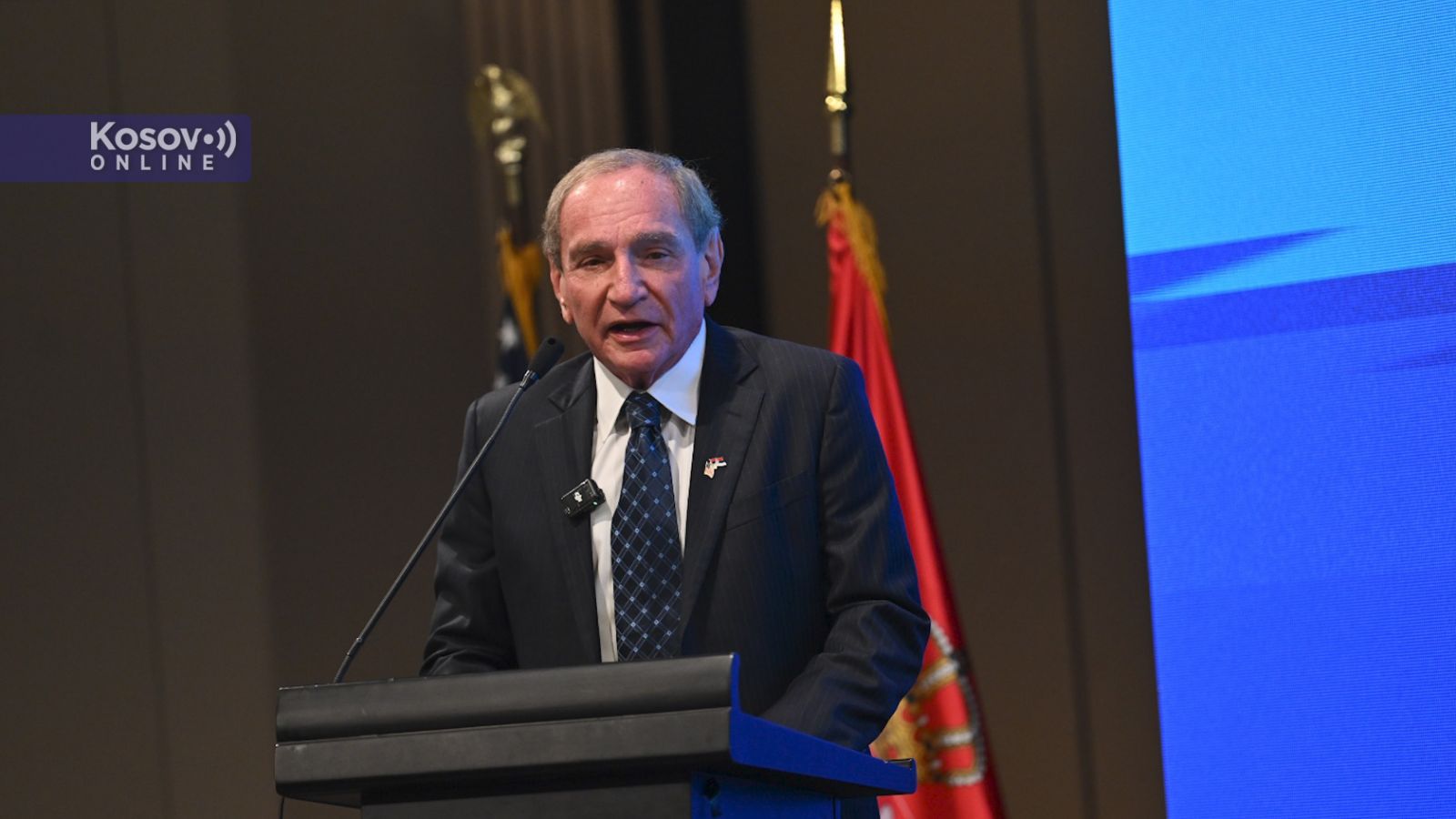
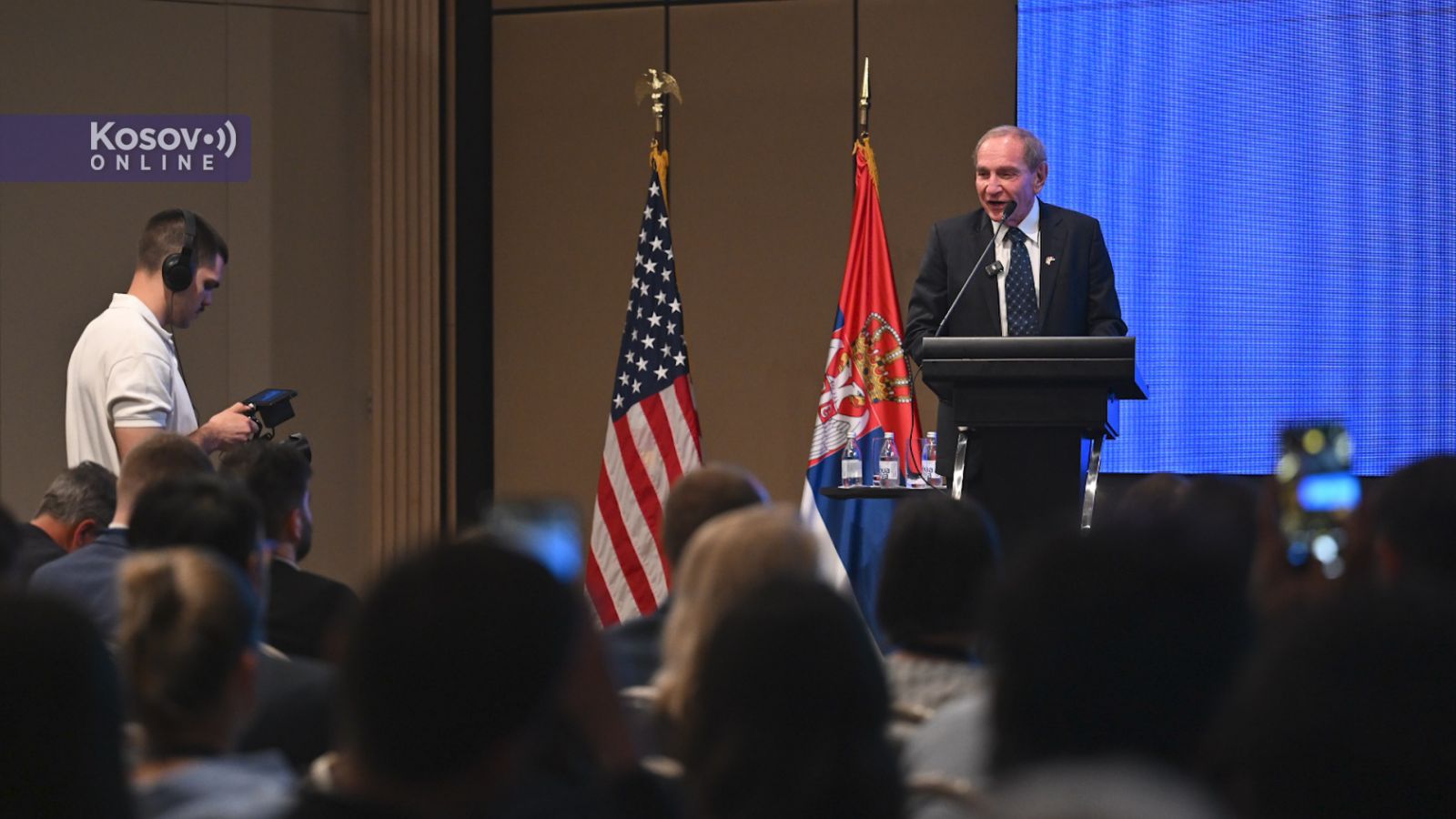
In his keynote address, Global Futures founder and president George Friedman reflected on the global order shaped by the United States after World War II.
“The system we have today was founded in 1945 and rests on two pillars—military and economic. As the Soviet Union occupied half of Europe, the U.S. responded by creating NATO and an economic system for Europe’s reconstruction,” Friedman explained.
He argued that current geopolitical challenges are an effort to bring the Cold War to a definitive end.
“The fall of the Iron Curtain did not end the Cold War—the tensions persisted,” he said, adding that the war in Ukraine has exposed NATO’s obsolescence, as Europe has shown readiness to defend itself.
“We are no longer in an era where the U.S. has to fight other people’s wars. We have given Europe the tools to defend itself,” he stated.
Friedman asserted that the world must adapt to a transformed United States, one that no longer seeks to shoulder global burdens alone.
“We are transitioning into a more normal world—one that doesn’t violate norms,” he concluded.


Riker: U.S. Stepping Back from the Balkans
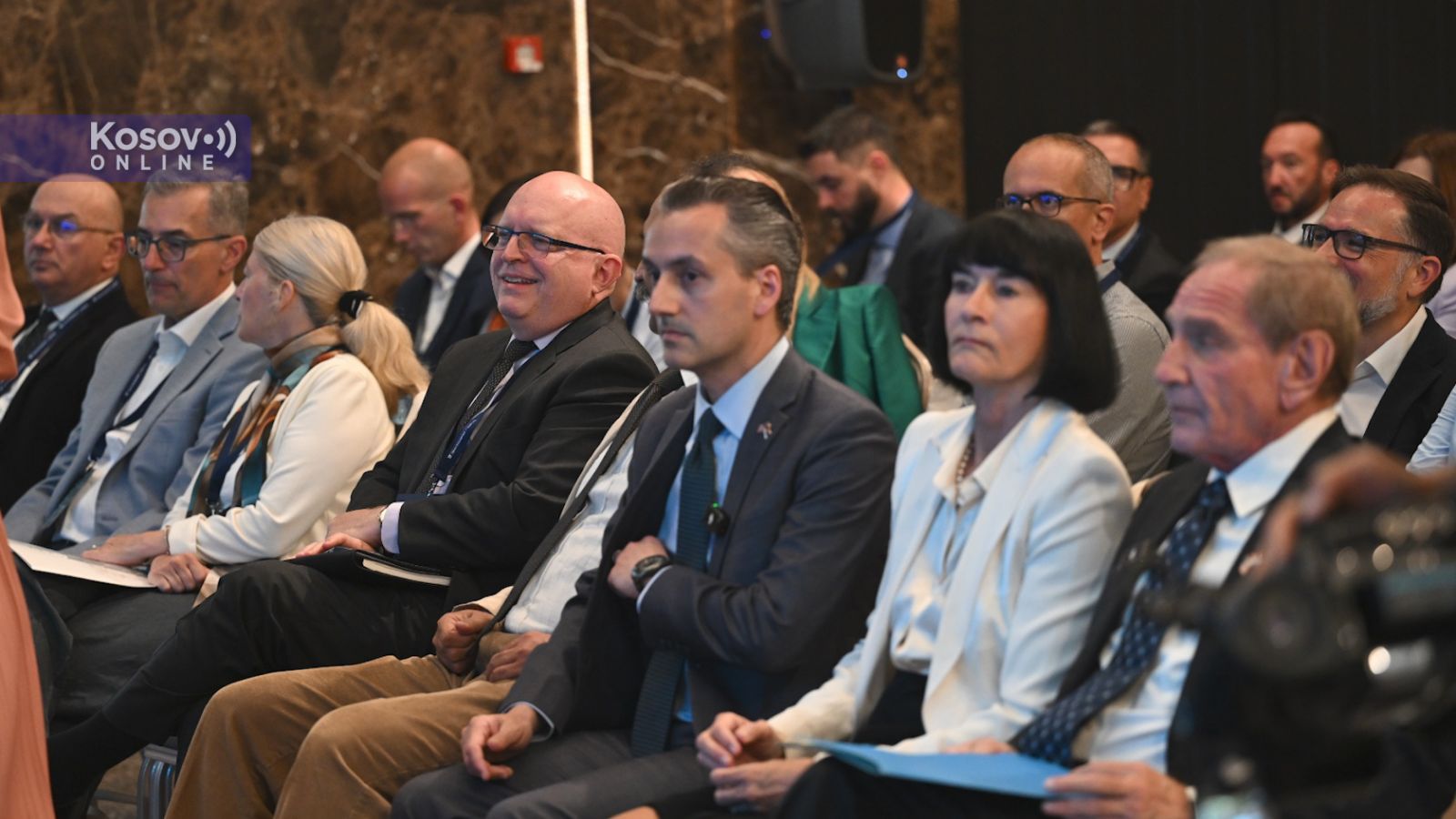
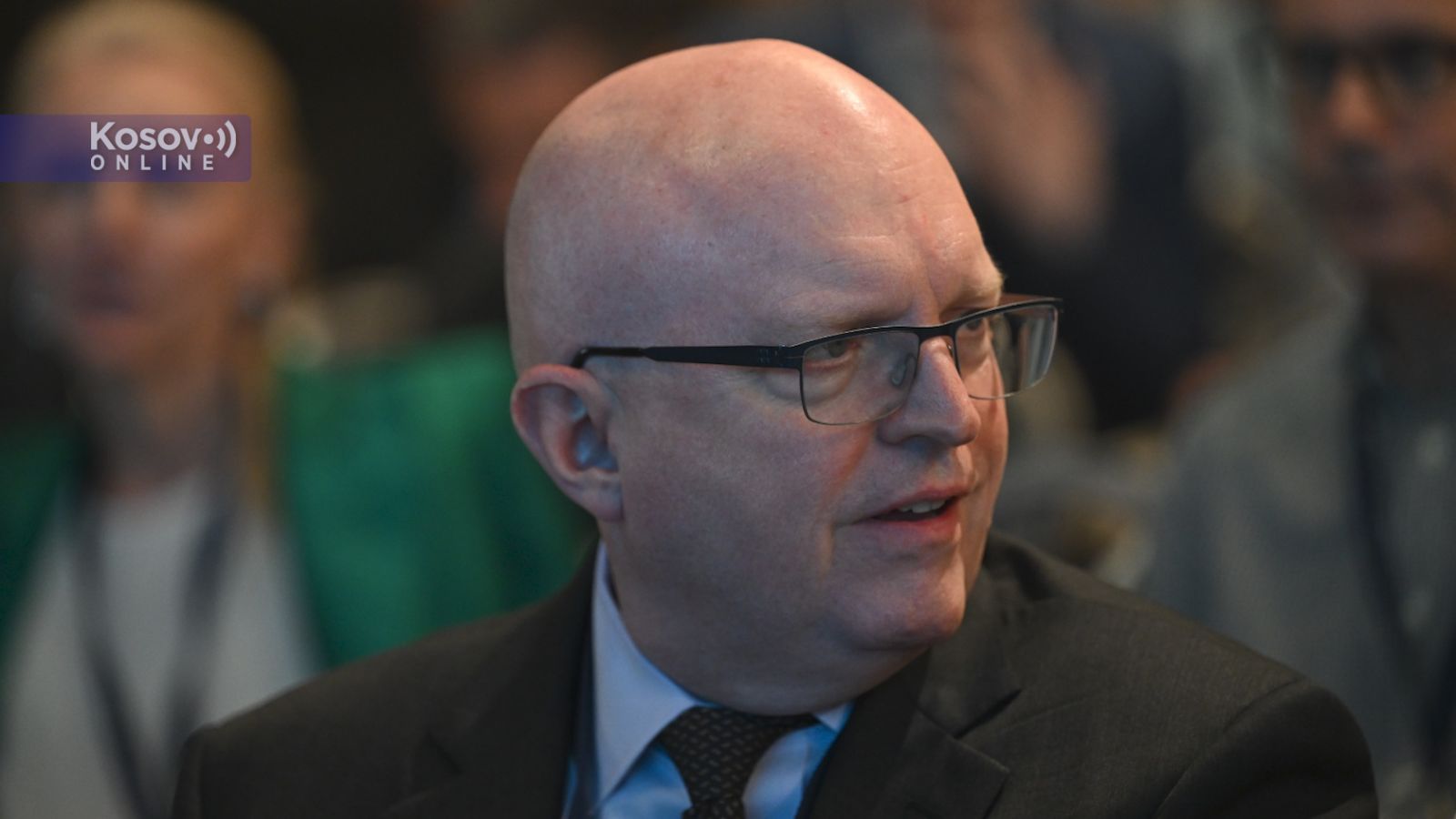
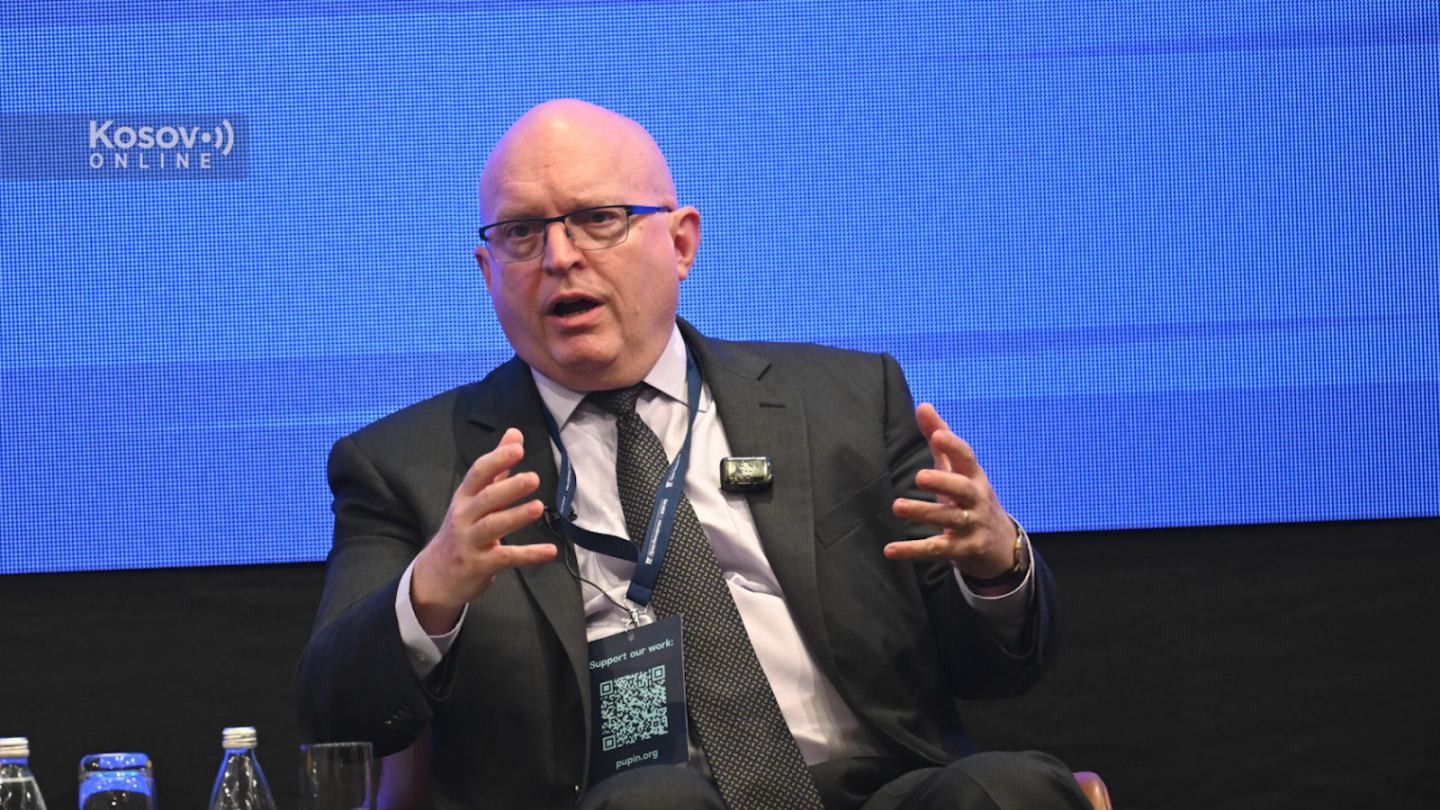
Former U.S. Assistant Secretary of State Philip Reeker stressed that the current moment mirrors previous turning points, such as 1999—or even 1937—in the sense that the U.S. will no longer be directly engaged in the region as it was over the past 30 years.
“The American administration is no longer focused on Europe, and therefore, not on the Balkans either,” he said.
Reeker recalled that during the Dayton Accords negotiations 30 years ago, the Balkans dominated headlines and were a top U.S. foreign policy priority. Now, he emphasized, the region must reassess its progress and challenges.
He reaffirmed that the U.S., in coordination with Brussels, has long viewed the integration of the Western Balkans into the EU as a strategic goal.
“That the countries of the Western Balkans, within their current borders, join the European Union,” he underscored, adding that Serbia must engage in peaceful relations with its neighbors and prioritize EU integration.
Reeker also noted that other powers still hold influence in the region, questioning what Russia has tangibly done for Serbia.
“The region and Serbia must attract attention through economic success and scientific achievements—as Tesla and Pupin once did,” he added.
Reeker called for moving beyond frozen conflicts.
“It’s time to move forward. Stop focusing so much on what the world thinks of you—and focus on yourselves,” he advised.
Krstic: Region Must Not Remain in the EU’s Backyard
Professor Milan Krstic of the University of Belgrade’s Faculty of Political Sciences emphasized the importance of EU integration for the Western Balkans, which, he said, currently remains in the EU’s “backyard.”
“But it seems that some in the EU think we should stay in the backyard—and that’s a bad option. If the region remains outside the Union, it could lead to serious long-term consequences,” Krstic warned.
He pointed out that Croatia was the last country from the region to join the EU—back in 2013—raising concerns that exclusion may be a long-term EU strategy.


Forum Focus: Innovation and the Rise of Agile Nations
The Pupin Forum is exploring how agile economies like Serbia can capitalize on strategic realignments through deeper transatlantic partnerships, thriving tech ecosystems, energy diversification, and scientific leadership.
Panelists will also examine how U.S.-Serbia cooperation can evolve in a new geopolitical era, and how the Balkans can enhance their role in global value chains, AI development, and emerging regional diplomacy.
Bringing together leading voices from U.S. politics, business, academia, and innovation—including keynote speaker George Friedman—the forum aims to present Serbia not as a bystander, but as a serious and strategic player in shaping the world of tomorrow.
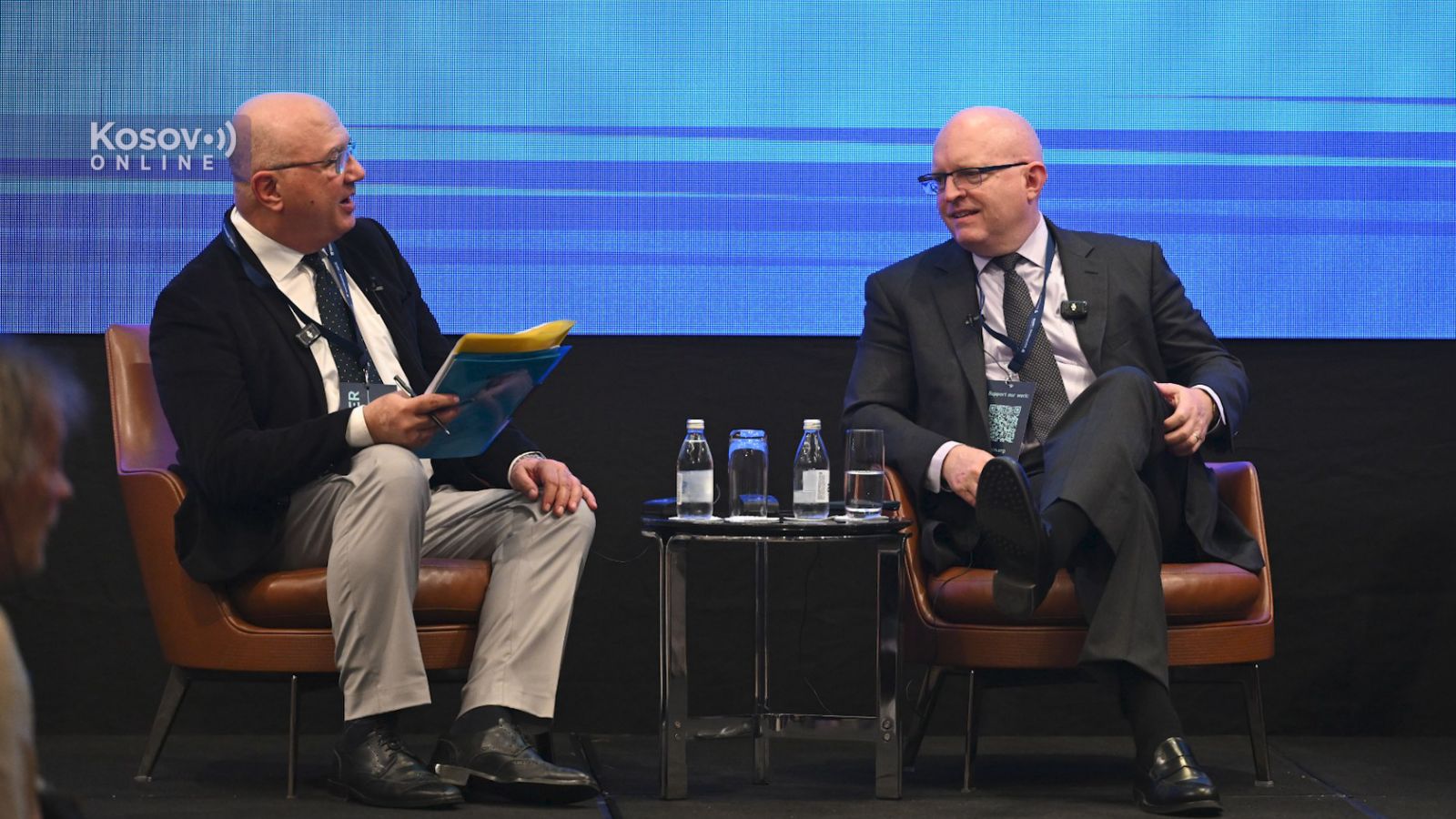
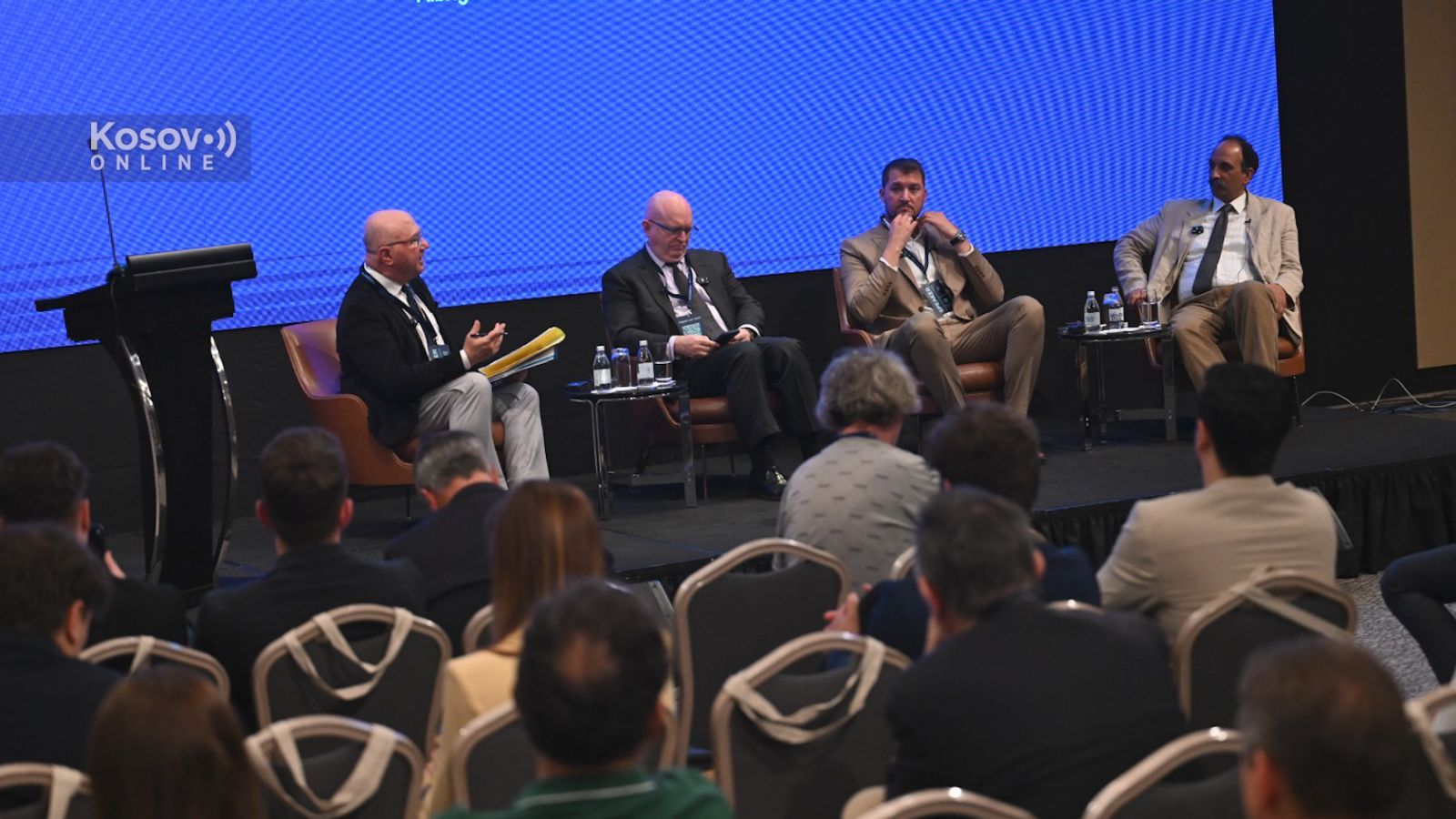
At the forum, on the topic “How Can the Balkans Reassert Strategic Relevance in an Era of Global Fragmentation and Shifting Alliances,” the speakers will include Philip Reeker, former U.S. Assistant Secretary of State; Milan Krstic, Professor at the University of Belgrade; and Kaush Arha, President of the Free and Open Indo-Pacific Forum and Non-resident Senior Fellow at the Atlantic Council.
On the topic “What Drives U.S. Capital Toward Serbia? What Is Still Missing for Full Investment Confidence?” participants will include Francisco Gonzalez, CEO of the Miami Economic Club; Marija Zivanovic Smith, Chief Marketing and Communications Officer at IEX; and David Shoh, Co-founder and Board Member of the Serbian Private Equity Association.
On how Serbia can better connect with its leading minds abroad, the discussion will feature Nemanja Petrovic, Principal Engineer at Databricks; Nenad Tomasevic, Co-founder and CEO of Dren Bio; and Mina Konakovic Lukovic, Assistant Professor and Principal Investigator at the Computer Science and Artificial Intelligence Laboratory (CSAIL), MIT.



0 comments