
Qerkini: A person convicted in absentia may request a retrial once available
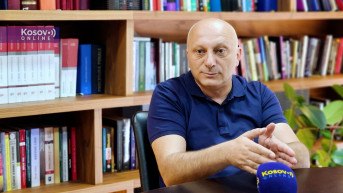
Lawyer Artan Qerkini stated for Kosovo Online, in relation to the commencement of a trial in absentia for a war crime in Meja, that the European Court of Human Rights has taken the position that trial in absentia does not violate the rights of the accused, but that procedural steps must be undertaken beforehand in order for the trial to proceed. He noted that a convicted person may request a retrial once they are available to the judicial authorities.
The trial in absentia for the war crime in Meja began on June 16 before the Special Department of the Basic Court in Pristina. There are 53 accused, including generals of the former Yugoslav Army, who are charged by the Special Prosecution with a crime in which 370 Albanian civilians were allegedly killed.
Artan Qerkini, who was also a member of the working group that drafted the first version of the Criminal Procedure Code, emphasized that there were many dilemmas regarding trials in absentia.
"In the end, after reviewing the case law of the European Court of Human Rights, it was concluded that trial in absentia does not violate the rights of the accused, but certain procedural steps must be taken in advance to allow the trial to proceed," Qerkini emphasized.
He added that legal measures provide for the indictment to be published on the official website, and that the police and judiciary must exhaust all legal means to locate the accused and secure their presence before the trial begins.
He also stressed that the accused is entitled to certain guarantees during the trial.
"The first is that no one can be convicted without legal counsel, and if the person later becomes available, they may automatically request a retrial. This represents a blend of the rights and obligations of the accused and the authorities conducting the proceedings," he said.
Qerkini pointed out that the law strikes a compromise between the rights of the accused and the state's interest in prosecuting the accused.
"Trials in absentia pose challenges, because according to the criminal code and legal profession regulations, as well as the code of ethics, a lawyer is supposed to prepare the defense together with the accused. In this case, the accused is absent and cannot provide the lawyer with information that could aid in their defense. However, the guarantee that anyone convicted has the right to a retrial grants them the opportunity to defend themselves," he concluded.


0 comments