
Radonjic: The visits of artists to the people in Kosovo feel as if someone has come to celebrate their patron saint's day
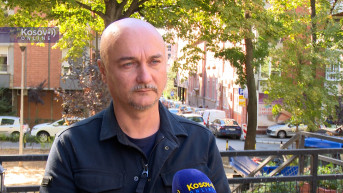
For the people in Kosovo and Metohija, who are threatened not only in terms of security and livelihood but also culturally and in terms of identity, direct communication with artists means a great deal. Every visit from Belgrade, every show of attention, especially when a somewhat well-known figure arrives, gives them the feeling that they are not forgotten and that someone is thinking of them. It is the obligation of all of us in culture, as well as the state of Serbia, to support and nurture this kind of cultural cooperation, says Predrag Radonjic, director of the National Theatre in Pristina, based in Gracanica, for Kosovo Online.
He points out that there is a cultural life in Kosovo, with visits from writers, painters, and actors from cities in central Serbia, though certain administrative obstacles accompany these visits.
"It’s not the same going to Vranje or to Gracanica. There is a kind of administrative pressure that Serbs live with all the time, where any potential lack of documentation or procedural error is exploited as a reason for rejection, with the excuse that it's solely due to that, and not something else. However, both we and all our colleagues who organize cultural events from other parts of Serbia manage to overcome this," explains Radonjic.
Radonjic adds that a certain level of awareness and caution is necessary when organizing events, but visits are certainly possible, as evidenced by numerous cultural events held in Kosovo.
"It's not easy—there are complicating factors—but it is possible. When a performance is staged, the energy in the room is truly special, and all the colleagues who have visited us have felt it and commented on it. In small communities, people literally feel as if someone has come to celebrate their patron saint’s day in their home, and they treat these visitors with joy, full respect, and very positive energy. Truly, no one who has been to Kosovo and Metohija recently—whether for a play, exhibition, book promotion, or any other occasion—leaves the same as when they arrived," says Radonjic.
Our interlocutor gives special recognition to the Cultural Center in Gracanica, which he describes as a kind of pillar and central institution that, in most cases, organizes visits from central Serbia and the region.
"Certainly, this could be even more prominent. Mostly, these are plays and events supported by the Office for Kosovo and Metohija or projects from the Ministry of Culture, but there are, of course, self-initiated events as well. The National Theatre in Pristina strives to maintain a developed cooperation, which is reflected in mutual visits with other theaters. We have hosted theaters from Nis, Krusevac, and other parts of Serbia. Last year, we were visited by colleagues from Niksic and Herceg Novi, and we also performed in their theaters," explains the director of the National Theatre in Pristina, based in Gracanica.

0 comments