
Savkovic: The New Bridge undermines security, Kurti acts with the tacit consent of the West
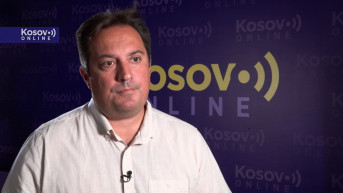
Senior Advisor of the ISAC Fund, Marko Savkovic, stated for Kosovo Online that the opening of the new bridge to traffic in North Mitrovica cannot be considered a positive step from a security standpoint, as it lacks the support of Serbs and other residents in the north.
“Any move that does not have the support of the citizens living in the north, that is, in North Mitrovica, certainly cannot be assessed as good from the perspective of security. Their representatives have warned that this is happening against the wishes and expectations of the Serb population in northern Kosovo, which is why it should be seen not as a positive step, but rather as an imposition. And it is, I must point out, a shrewd move by the Pristina administration, because they can always say: ‘Look, we opened the bridge, we are facilitating movement, freedom of movement for citizens, and you are opposing freedom of communication,’” Savkovic said.
He added that to someone unfamiliar with the realities of life in Kosovo, particularly in the north, the situation could indeed appear that way.
Referring to the fact that the bridge was opened despite opposition from the Quint, with one of the loudest critics being German Ambassador Rode, Savkovic emphasized that the actual strength of this opposition remains questionable.
“The question is whether remarks conveyed through the media can replace, for example, sharp demarches from the Ministries of Foreign Affairs, from the Quint countries, or even a joint statement. I hope for something of that nature—much more concrete condemnations of what is happening right now—but it seems that the moment when this could have been done has passed. The bridge is now open; it exists, and it was built in record time, just two months. If you followed Prime Minister Kurti’s statements, he said: ‘This is now the 36th bridge,’ thereby downplaying the security implications and presenting it as everyday progress in Kosovo. With such a narrative and the absence of strong opposition from the Quint, I fear this is yet another fait accompli imposed on the citizens living in northern Kosovo,” Savkovic remarked.
Noting that on the one hand there is the main Ibar bridge, guarded by KFOR forces and still closed to traffic, and on the other, a newly opened pedestrian bridge without any form of control, Savkovic said this is not a paradox, but rather evidence of tacit approval for Kurti to act freely.
“We have a tacit, so to speak, permission or space given to the Pristina administration—Mr. Kurti’s administration—to do as it pleases. He enjoys freedom of action. It seems to me a very long time has passed since we last saw a sharper reaction. I do not see that there are any consequences. We keep talking about unilateral actions, and indeed, almost every day we have a new unilateral action. I truly do not see what remains now as a possible means of exerting pressure,” he said.
According to Savkovic, Kosovo is not advancing in its European and Euro-Atlantic integration processes, nor will it, but this is not Kurti’s current focus.
“His focus is internal consolidation—his focus is on staying in power for as long as possible. He is acting by using every opportunity available to him within the existing legal framework in Kosovo. He neither heeds their warnings, nor are those warnings evidently sharp enough, nor accompanied by sufficiently concrete actions, to compel him to do so,” Savkovic concluded.

0 comments