
In Skopje, without significant decisions, only a rotten compromise
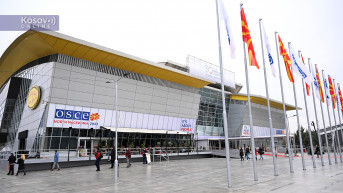
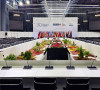
The meeting of the Organization for Security and Cooperation in Europe (OSCE) Ministers of Foreign Affairs in Skopje, which was eagerly anticipated due to the presence of Russian Foreign Minister Sergei Lavrov, concluded without significant decisions, essentially resulting in a "rotten compromise".
The member countries managed to reach an agreement on the new chairmanship, with Malta set to preside over the OSCE next year. However, even this decision is considered "barren" given that Estonia had applied for the position and attempts were made until last week to push it through. When it became apparent that there was no consensus, Malta was chosen as a compromise solution.
Additionally, the decision to extend the mandates of the top positions in the OSCE—General Secretary of the organization, Director of the Office for Democratic Institutions and Human Rights (ODIHR), High Commissioner on National Minorities, and Representative on Freedom of the Media—just a few days before the expiration of their mandates, represents a "rotten" compromise. In the foreseeable future, unless the conflict with Russia is resolved, this issue will not be permanently addressed.
The Skopje meeting was another in a series of OSCE meetings where confrontations between Russia and the West were evident. As reported by some media outlets, the Council of Ministers was a gathering of "All against one, one against all". Western ministers made accusations against Moscow, while Lavrov presented his perspective on the inconsistent behavior of the West concerning international law and OSCE principles and the disregard for agreements.
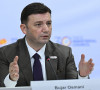
Although Kosovo and Serbia were not the main topics at the OSCE Ministerial Council meeting, they were still discussed during press conferences by Lavrov and the final press conference. A journalist raised the issue of condemning "Serbia's aggression against Kosovo and provoking tensions in the Balkans" at both press conferences. A sort of scandal occurred when the OSCE Chairperson and the Macedonian Foreign Minister, Bujar Osmani, stated during the official conference of the organization that he hoped Kosovo would soon become a member of the OSCE.Top of Form
However, he acknowledged that decisions within the OSCE were made by consensus, making it impossible to achieve this goal. In the past, the Ambassador of Albania has also raised this issue on various OSCE forums.
The OSCE Ministerial Council meeting in Skopje, due to these circumstances, will not go down in history as a conference that contributed to resolving a major conflict but rather as a gathering where, after the rejection of the previous chair, the Russian representative returned to the table.

comments