
Sljuka: Additional tensions in the north until the elections
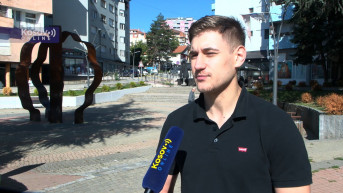
Aleksandar Sljuka, a collaborator with the NGO "New Social Initiative" from North Mitrovica, says to Kosovo Online that although the approach of the Kosovo government toward northern Kosovo is often viewed solely in the context of the election campaign, it should not be forgotten that unilateral and harmful actions against the Serbian community have been ongoing since the current government in Pristina was established.
"This has been going on for three years, starting with the first crisis over license plates in September 2021, and now it is September 2024. So, we have a continuous crisis in northern Kosovo, and in that sense, we could say that Albin Kurti has been in a state of permanent election campaigning when it comes to the north. Everything he does is in service of promoting the Self-Determination Movement and his personal promotion, and essentially gaining political points because he saw that this resonates within the Albanian community, that they like it, and they approve of it, and based on that, he enjoys significant support," Sljuka told Kosovo Online.
As he added, one of the reasons for Kurti’s approach is that he has nothing else to offer.
"I'm not an economic expert, but according to many analyses, Kosovo is in one of its worst phases since declaring independence in terms of socio-economic parameters. However, what's also important is that people don’t feel this as a direct consequence of these policies, so they continue to approve of these actions in the North. They haven’t realized that the EU measures or other sanctions aimed at this government are affecting their lives, directly impacting their quality of life. Until they realize this, they will continue to support these essentially populist measures that distract people from important life issues, and the ruling regime will continue to have support," Sljuka believes.
In the coming period, up until the elections, he anticipates additional tensions.
"I'm not sure what exactly will happen. There is a lot of talk about the fact that the only remaining institutions in the Serbian system in the north are those in the education and healthcare sectors, but I don't think these will be shut down in the same way that the Provisional Authorities were. I believe the government might try to hinder their functioning to such an extent that it becomes impossible for these institutions to continue, thereby effectively shutting them down," he explained.
Discussions around opening the main bridge over the Ibar River, he noted, have subsided somewhat, but he wouldn't be surprised if they resurface because, as he says, those issues "work" with voters, and the government has nothing else to offer.
As for the opposition, Sljuka believes they are also trying to score points based on the situation in the north.
"I'm not sure the opposition has a genuinely well-meaning approach. They mostly want to criticize the Kosovo government, to claim it isn't doing things properly and that they could supposedly do it better. I believe they wouldn’t handle it as harshly as the Self-Determination Movement, but I also don’t think they have particularly good intentions. I think their goal is also to expand Kosovo’s sovereignty. Even during previous governments, before the Self-Determination, things weren't great for Serbs in Kosovo, so everyone is looking to extract maximum benefit from the situation in the north," Sljuka concluded.


0 comments