
Sljuka: Conducting elections and budget allocations during the campaign represent a blow to Kosovo’s economy
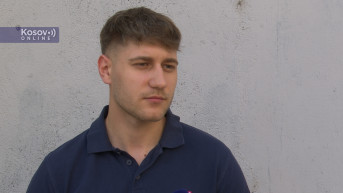
Associate of the NGO New Social Initiative Aleksandar Sljuka told Kosovo Online that the costs of organizing new elections, as well as financial assistance allocated to various categories of citizens in the context of the election campaign, undoubtedly represent a major blow to Kosovo’s economy, given that these are expenditures that had not been planned.
According to Sljuka, the electoral process — the fourth in the past year and a half — constitutes a major expense because the Central Election Commission had to accelerate certain procedures and urgently procure election equipment, which cost more than usual.
An additional expense, he says, will be the allocations in the form of financial assistance for various groups of citizens announced by caretaker Prime Minister Albin Kurti, which are clearly linked to the election campaign, even though the Government will defend itself by claiming otherwise.
“We have allocations of 100 euros each for pensioners, people employed in private businesses, certain forms of assistance for groups in the public sector, support for students... Now there are also the newly announced allocations amounting to as much as two million euros for so-called incentives aimed at encouraging the diaspora to come to Kosovo, again in the context of the elections. When all of this is added together with the previous electoral cycles and the actual organization of elections, it undoubtedly represents a major expense for Kosovo’s budget, bearing in mind that two out of the four electoral cycles were unplanned. These are costs that had not been foreseen at all, and this is certainly a major blow to the economy,” Sljuka stated.
As he added, similar forms of assistance existed in previous electoral cycles as well, but he believes they were not on the same scale as they are now, which, according to him, demonstrates the position in which Self-Determination currently finds itself and its need for votes.
“They gambled with these elections and are now trying somehow to secure the best possible result. It is certain that this will attract a certain portion of votes because these short-term benefits will undoubtedly matter to certain groups of the population, particularly socially vulnerable groups. I would not say that this will be sufficient to produce a fundamental turnaround or breakthrough for Self-Determination, but they are using every possible resource to increase their support,” our interlocutor assessed.
According to Sljuka, such moves by the caretaker government constitute an abuse of public funds.
“If we had a continuous strategy of assistance for these groups, something adopted as a Government program, then even regardless of the fact that the Government is currently in a caretaker mandate, we could say: ‘ok, this is some long-term program, this is not something ad hoc and we can observe it outside the election campaign context.’ However, given that, as in previous electoral cycles, the vast majority of such decisions came in the pre-election context, I think it is very clear what is being attempted, namely the misuse of public finances,” he stressed.
Regarding opposition promises to increase salaries and pensions, while also reducing taxes, Sljuka says that the opposition is building its campaign on promises and that all sorts of things can be heard during election campaigns.
“Of course, none of this will cost them anything if they do not come to power. And if they do come to power, we will probably see that such measures are not so easy to implement, but they work very well as campaign promises. Here we have two things that negatively affect the budget in a synergistic way. The first is tax reductions, which means lower state revenues from citizens because less money flows into the budget, while on the other hand it is said that salaries and pensions will be increased, which means higher expenditures for the state. In other words, there would be less money available to the state, while no one explains how the state would secure the funds necessary to provide such benefits. That is why these are populist measures,” he added.
In conclusion, he stated that the opposition can only make promises and hope that citizens will recognize them, while, on the other hand, the government has all the mechanisms at its disposal to use public resources in the context of the campaign — resources that other political actors do not possess.
0 comments