
Sljuka: EU at an impasse – no de-escalation, no consensus on lifting sanctions on Kosovo

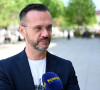
Aleksandar Sljuka, a member of the non-governmental organization “New Social Initiative,” told Kosovo Online that by imposing sanctions on Kosovo two years ago, the European Union intended to send a message that the Government of Kosovo should stop its unilateral actions and that de-escalation should take place. However, he says that over the past two years, the opposite has happened – numerous new unilateral actions and escalations on the ground.
“When we hear talk of lifting the measures, and that Kosovo officials have repeatedly called for it over these two years, we see it as a farce, given that the situation on the ground has been deteriorating day by day and de-escalation has not occurred. In that context, what the EU hoped to achieve clearly hasn’t been achieved, and it finds itself at an impasse with these measures, since there is now no consensus to lift them, and the situation on the ground is not improving either,” Sljuka says.
He believes that the punitive measures imposed by the EU have primarily hurt the citizens of Kosovo.
“There is talk of hundreds of millions of euros that have been lost from various EU funds during the course of these measures. However, I would say that the public doesn’t see the connection between Kurti’s policies, which led to the sanctions, and the decline in living standards that has followed. It is not perceived that the measures directly caused the worsening conditions, but rather it’s likely seen as part of the generally poor global economic situation,” Sljuka notes.
He adds that the measures have, to a certain extent, also harmed Albin Kurti, considering that in the recent elections in February he experienced a drop in support compared to the 2021 elections, although he emphasizes that this is not the only factor that influenced the decline.
“The problem is that citizens still don’t see how destructive Albin Kurti’s policies are for the people of Kosovo themselves, and here I’m referring primarily to Kosovo Albanians, who make up the majority of his support. Kosovo Serbs have seen and felt it multiple times, and they know that these policies are not good for them, but Albanians still don’t see that. We’ll see whether, with the extension of the measures under which Kosovo is continuously losing more and more, voters in the next elections will realize this and punish Kurti, or whether they will continue to be deceived by the nationalism he sells instead of striving for a better socio-economic standard for the people,” the interlocutor emphasizes.
He observes that the measures imposed on Kosovo have, in many cases, not been respected by EU member states, as some representatives continued to meet with Kosovo officials despite a ban on high-level meetings.
“They were not taken seriously from the beginning. Already halfway through, about a year ago, there was talk of lifting them. Former EU High Representative Josep Borrell recommended lifting the measures before leaving his post. But there is no consensus within the EU to remove them, and now we’ll see how they get out of this vicious cycle, where Kurti, at least as long as this government lasts, won’t back down, and on the other hand, the EU lacks the mechanism to lift the sanctions,” Sljuka says.


0 comments