
Sljuka: No major progress in the dialogue before the Kosovo elections
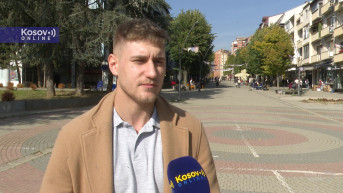
Aleksandar Sljuka, an associate at the NGO “New Social Initiative,” tells Kosovo Online that he does not expect any big progress on the major political issues affecting the Serbian community in Kosovo to come out of the upcoming meetings between Kosovo’s and Serbia’s main negotiators in Brussels. However, he emphasizes that progress has been made in terms of technical issues.
Sljuka notes that yesterday’s meeting didn’t yield any visible results, but says that such outcomes were not expected.
“There were some positive developments. A trilateral meeting took place, although many thought it wouldn’t. Nothing fundamentally changed, as we didn’t see concrete progress, but a range of topics that had not been discussed previously were addressed. There were conversations about the interconnection line between Kosovo and Serbia, sanitary certificates, and the import of goods like dairy and meat products to facilitate trade, as well as issues related to missing persons. So, there were several topics we can categorize as technical issues that hadn’t been raised before,” Sljuka said.
However, as he added, there was no progress on key issues affecting the Serbian community, such as import restrictions, the use of the dinar, or police repression.
“I honestly don’t believe that any of these major political issues will be resolved in the coming months, at least not until the Kosovo elections in February are over. But there is a possibility that these technical issues could be addressed. It was said there would be one or two more meetings by the end of the year, and I expect we might see some breakthrough in these areas of dialogue, to give the impression that the dialogue is active, showing that certain issues can be resolved. If not the big ones, then at least smaller issues that would somewhat improve citizens’ lives,” he explained.
The meeting revealed opposing positions between the two sides, and, as Sljuka sees it, the key role of the EU is to step up, clarify what was actually discussed, and prevent both sides from interpreting the meetings as they wish.
“The EU wants to present something, anything, as a positive outcome, and I think this is the context in which this meeting can be understood. Although a trilateral meeting took place, political topics, particularly those raised by Belgrade, not only weren’t resolved, but there is no indication that a solution is even being pursued. These are primarily political issues that will remain unresolved until after Kosovo’s elections, and likely until after the US elections as well. Until some of these larger issues are settled and there is a restructuring within the EU, we probably won’t see any decisive steps toward resolving these issues, which remain the most pressing for the Serbian community,” Sljuka stated.
He points out that the general impression is that neither side is genuinely seeking agreement in Brussels, and actions will likely play out through unilateral moves.
“I think what is specific to the Kosovo side now, in light of the upcoming elections, is that any concession to Belgrade could be perceived by the public as a weakness of this government. So, even if these technical matters are addressed, they will likely be presented primarily on a unilateral level, with Kosovo and Serbia likely implementing them individually, as we have seen in the past,” he concluded.


0 comments