
Starovic: There is fatigue with Serbia's EU accession process, but support remains high
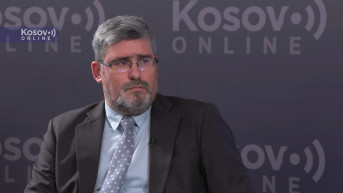
There is a sense of fatigue regarding EU accession both in the Balkans and in Serbia, accompanied by disappointment over the lengthy process, stated Serbia’s Minister for European Integration, Nemanja Starovic. However, he added that support for EU membership remains high and that the European Union continues to represent a natural framework for Serbia’s development.
Commenting on the recent visit of EU Commissioner for Enlargement, Marta Kos, Starovic told Newsmax Balkans that he attended most of the meetings, which he described as substantive and conducted in a constructive tone.
“I got the impression that Marta Kos and all members of her team are committed to working jointly on Serbia’s accession to the European Union, but that there is still a lot of work ahead of us,” the minister said.
He also noted that Serbia will soon receive visits from the President of the European Council, António Costa, and the EU High Representative for Foreign Affairs and Security Policy, Kaja Kallas.
“All of this speaks to the high level of attention Serbia is receiving in Brussels, along with goodwill and a desire to move things forward. If there is any space to act, we must seize it and do everything in our power so that, when the doors of enlargement finally open, we are ready to walk through them,” Starovic emphasized.
He also pointed out that the enlargement process includes a whole range of criteria for candidate countries, particularly since the EU’s legal framework continues to evolve, which leads to the constant updating of requirements.
Starovic added that Serbia has received a positive recommendation from the European Commission for four consecutive years, but that the European Council has not adopted them.
He noted that the EU is well aware of the mood of public opinion in Serbia.
“We are witnessing the phenomenon of enlargement fatigue, which has affected a significant part of the EU, particularly among older member states in Western and Central Europe. There is also fatigue with the accession process here in the Balkans and in Serbia. Disappointment is present because the process is taking so long,” the minister underlined.
He reminded that Serbia was promised EU membership back in 2004.
“I believe that support for EU membership is still high—around 40 percent of citizens are in favor. The path toward the EU remains a consistent policy of Serbia. It is both inevitable and a natural space for our development,” Starovic concluded, adding that Serbia, as a future member, will need to align with EU policies—but only “about six months to a year before accession.”

0 comments