
Subotic: France and Germany insist on amending Chapter 35; Hungary is an ally of Serbia
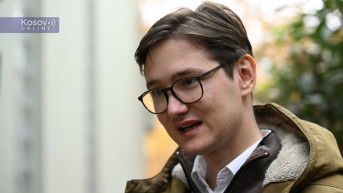
Strahinja Subotic, the Program Manager and Senior Researcher at the Belgrade Center for European Policy, states that no one yet knows what will be on the agenda at the meetings of EU ministers for European affairs and then the heads of state and government at the European Council summit in Brussels in the coming days, or in what format a conclusion will be reached regarding Serbia's European path and the normalization of relations with Kosovo.
He points out that negotiations within the EU regarding the enlargement policy in the Ukrainian context as well as the context of the Western Balkans and the dialogue between Belgrade and Pristina are interconnected.
Subotic tells Kosovo Online that he expects discussions in Brussels about integrating the Ohrid Agreement into Chapter 35 of Serbia's negotiation framework with the EU, which has been hinted at in recent days as a possibility. One of the points of the Ohrid Agreement is that Serbia does not hinder Kosovo's membership in international organizations, including the United Nations, which is a "red line" for Belgrade.
"In the annex, there was an obligation for EU member states to unanimously adopt that annex, making it formally and de jure a binding criterion on our path to the EU. This would further solidify the status of Chapter 35 as a blocking chapter. Depending on whether there is progress or not in this chapter, our progress toward full membership will depend, along with progress in the areas of the rule of law and external policy alignment," Subotic explains.
When asked if there will be consensus in the European Council to amend the content of Chapter 35, Subotic emphasizes that Hungary unexpectedly turned out to be an ally for Serbia, as one of the countries that recognized Kosovo, from which Serbia expects support regarding Chapter 35.
"France and Germany are the duo pushing for the full integration of the Ohrid Agreement and the implementation of the annex, considering that they initiated the Franco-German plan. Although we have five EU members who do not currently recognize Kosovo, they have agreed to this European plan, and we do not expect them to pose significant problems when it comes to integrating that document into Chapter 35. Unexpectedly, Hungary turned out to be an ally in this issue, as a country that recognizes Kosovo but, at the same time, whose leader has established a personal relationship with the leader of Serbia, and from whom Serbia expects a favor, namely, to postpone the integration of the mentioned agreement into Chapter 35. Of course, on the other hand, Hungary seeks to strengthen its position as it is currently bargaining with the EU regarding the opening of negotiations with Ukraine," Subotic says.
He adds that he does not know if relying on Hungary's veto is "wise for us" because, as he points out, Serbia cannot proceed further towards the EU if there is no normalization of relations. On the other hand, he questions whether it is wise to "collaborate closely or have a disruptive relationship like Hungary, which is currently the 'black sheep' in the EU."
Reflecting on the contentious point of the Ohrid Agreement, which implies that Serbia will not oppose Kosovo's membership in international organizations, Subotic says that Serbia committed to this in 2013.
"Whether they integrate the aforementioned agreement or not, they will hold us accountable. France and Germany will tell us they expect us to fulfill that. Whatever conclusions the EU draws at this summit of the European Council, we will still have to implement everything we committed to in the Ohrid Agreement," Subotic concludes.

0 comments