
Sutanovac: Change in the post of NATO Secretary-General does not mean change in the Alliance's policy towards Kosovo
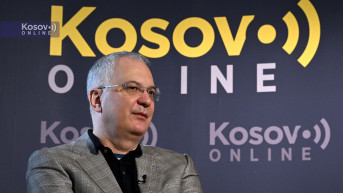
A change in the position of NATO Secretary-General would not signify a different approach towards Kosovo, Dragan Sutanovac, President of the Council for Strategic Policies, emphasizes for Kosovo Online, reminding that officials act in line with the organization's multilateral policy.
Sutanovac notes that due to the events in Ukraine, Stoltenberg has been given an extended mandate, and lobbying has now begun for the future Secretary-General. He assesses that one of the candidates, Dutch Prime Minister Mark Rutte, has "more serious lobbyists."
"It takes great courage for the President of Romania to enter this candidacy, but it in a way shows that there is democracy within NATO. However, I don't think it will have any special impact on Serbia, or Kosovo, despite Romania not recognizing Kosovo. We know that some other EU officials who are Spanish – Spain also hasn't recognized Kosovo – act in line with the multilateral policy of the organization they belong to," Sutanovac says.
Considering that Jaap de Hoop Scheffer from the Netherlands previously served as NATO Secretary-General, he believes that this time Eastern Europe should get the Secretary-General. However, he warns that lobbyists or countries with the largest financial and other investments within NATO are supporting the Dutch candidate.
"I don't think Johannnis would bring a different approach, but many times in the world where political decisions are made, a certain part of the world is promoted within an organization, as we had the World Cup in Qatar, even though Qatar is not known for football," our interlocutor notes.
He highlights that the largest NATO base in Romania has been announced these days, which will have 10,000 soldiers, worth more than 2.5 billion euros, showing that Romania wants to be a serious factor within NATO. He says that Romania, with its capacities and size, is one of the larger countries in NATO, but it's a big question who the lobbyists will choose. In any case, he doesn't expect it to dramatically affect policy.
"Lajcak comes from a country that hasn't recognized Kosovo – Slovakia, but he represents the policy of the European Union, and he doesn't have the freedom to represent the policy of his home country. So there may be certain sympathies, certain personal contacts, which makes it easier for Serbia with Romania, and we have greater understanding and we're neighbors, but I don't expect anything dramatically different in NATO's position towards Kosovo," he concludes.
He reminds that in Serbia, "various nationalists cheered for Meloni in Italy," expecting her to change policy regarding the East, Putin, Russia, and Ukraine.
"It turned out that she is even firmer in support of both NATO and Ukraine. So, I think those who expect that change can dramatically influence events in Kosovo are mistaken," Sutanovac concludes.

0 comments