
Sutanovac: Stoltenberg's messages are primarily directed towards the authorities in Pristina
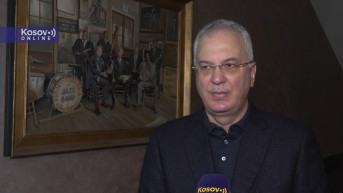
President of the Council for Strategic Policies and former Minister of Defense of Serbia, Dragan Sutanovac, says that the messages sent by NATO Secretary General Jens Stoltenberg, warning about the challenging security situation in Kosovo and Bosnia and Herzegovina, are intended to draw attention to the problem and adds that this message is primarily directed towards the authorities in Pristina and those who do not understand the security situation in Kosovo.
"There is no doubt that in Bosnia, and primarily in Kosovo and Metohija, there are people who do not want to respect either the Dayton or Brussels agreements. At this moment, I think the situation in Kosovo is much worse, considering that we have Albin Kurti on the other side, who not only has the ambition to pressure the Serbian population living in Kosovo and Metohija with small, and even larger incidents daily. In his projection, what is written in the program of his party is the formation of a 'Greater Albania', which threatens not only Serbia but also North Macedonia, Greece, and even Montenegro," Sutanovac says for Kosovo Online.
He emphasizes that Kurti's projection is not only related to the Serbs.
"On the other hand, he has the desire and intention obviously to become the leader of all Albanians worldwide. Because of that, Pristina is in conflict with Tirana, and partially with Skopje. If the international community does not recognize this, and I think those who understand the situation even a little recognize it, it is only a question of their interest whether they want to react on this issue, then we indeed have a security problem that can lead to incidents endangering the lives of citizens in Kosovo and Metohija," the former Defense Minister warns.
Asked whether the messages indicating security challenges in Kosovo, in particular, could also imply an increase in the number of KFOR troops in the area, our interlocutor emphasizes that Serbia has always insisted that the mission forces not be reduced.
"As far as I know, and I was also involved in that job, at every meeting we demanded that KFOR does not reduce its personnel. We all remember March 17 when the inadequate reaction, coupled with the insufficient number of KFOR soldiers, led to the escalation of the situation with a large number of casualties. At that time, KFOR practically, so to speak, saved the Serbs. And what is not talked about in Serbia is that there were more casualties on the Albanian side at that time because KFOR used all the weapons and tools at its disposal. It's possible that Stoltenberg is sending a message about strengthening KFOR forces, but I believe that message is primarily directed at the authorities in Pristina and those who do not understand what is happening in Kosovo and who currently have a negative attitude towards Serbia and support Kurti, who is by no means a factor of peace or stability in the region, but quite the opposite," Sutanovac says.
Sutanovac also commented on Admiral Rob Bauer's visit to Montenegro, emphasizing that his visit was a clear signal that there were security interests for an EU representative to visit the region.
"I can't say what discussions were held with Admiral Bauer in Montenegro, but obviously, there are security interests for an EU representative to visit the region. What I do know is that 33 ambassadors from various countries were briefed in Pristina and received briefings on what is really happening there, and as far as I know, the UN office in Kosovo has informed them properly about it. The question is what reports will go to the UN after that, but within that framework, I think the messages Stoltenberg is sending are warnings on the one hand, drawing attention, and on the other hand, cautioning those who would want to incite conflict with victims," Sutanovac assesses.
Asked about the announcements regarding the formation of a "military Schengen" in the region to be confirmed at the NATO Summit in July, in Washington, the former Defense Minister believes that it won't change much regarding Serbia.
"These agreements already exist, Serbia has those agreements, but we must be very precise. Freedom of movement does not mean that they can go wherever they want, whenever they want, and at whatever speed they want to pass through Serbia. They apply and obtain permission for free movement, and they are escorted by the Serbian Police from entry to exit from Serbia, and this is something completely normal and nothing new in the modern world. This freedom of movement, as some imagine, that someone can enter with military equipment and pass through Serbia, has never been envisaged, nor is it possible," Sutanovac says.


0 comments