
Tromp: Kurti's "Croatian model" unacceptable, I don't see an analogy between Serbs in Kosovo and Croatia
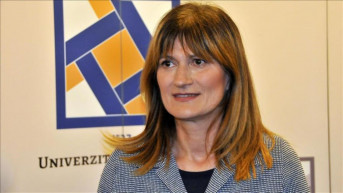
Nevenka Tromp, a professor at the University of Amsterdam and a Balkans expert, stated that she saw no analogy between Serbs in Kosovo and those in Croatia and described the "Croatian model" presented by Kosovo's Prime Minister Albin Kurti in Brussels as unacceptable, Nacionale reports.
She emphasizes that the Community of Serb Municipalities should be formed based on the European model, where the self-governments of national minorities function successfully.
Tromp explains that in Croatia, there was no autonomous region after the war where Serbs could exercise self-governance.
"Most Serbs in Croatia now live in large cities such as Zagreb and Rijeka, and there were 11 municipalities in central Croatia in Kninska Krajina. They had a majority before the war and during the Republic of Serbian Krajina. But they no longer have a majority, and of the 12% of Serbs who lived in Croatia before 1991, only 4% remain. Therefore, I am surprised by the Croatian model. Serbs were expelled from there. The Christmas Constitution in Croatia at the time did not even mention Serbs, making them a minority like all other minorities in Croatia. So, I'm not quite sure what Albin Kurti has in mind. It's not clear to me," Tromp says.
She emphasizes that she sees no analogy between the Serbian minority in Kosovo and Croatia.
"I don't see an analogy with the situation in Croatia after 1995. There was never a region left in Croatia that even remotely resembled northern Kosovo," she said.
Tromp reminds that it was not said that the Serbian model should be accepted "just like that," but rather that it should not be removed from the table.
"You should know that when Kosovo enters the process of EU membership, many chapters will need to be completed, one of which is minority rights. Whatever Kosovo does for the integration processes, one of the criticisms of Copenhagen will be the attitude towards minorities. We have many cases, such as Slovakia's treatment of Roma, which had to enter this process to change laws. To remove any doubt about discrimination of any kind. The constitution of a country is very important, but at the same time, political challenges are sometimes so complicated that the solution cannot be implemented through existing documents," Tromp said.
She conveyed that the draft Statute of the CSM could not simply be rejected with the simple excuse that it was against the Constitution.
She also added that political solutions would have to be found and that it is very important for Kosovo to show, at any stage of the negotiations, its clear interest in resolving these issues once and for all.
"This does not mean that the Serbian model should simply be accepted as presented," Tromp emphasized.
Regarding what US Deputy Assistant Secretary Gabriel Escobar said, that a middle ground should be found between the two party visions, Tromp expressed skepticism here as well.
"I don't think finding a 'middle ground' is enough of a solution. The solution should be at the highest level. We need to talk about the most successful models in Europe where minority self-governments function," Tromp concluded.


0 comments