
UNS on the 22nd Anniversary of the pogrom against Serbs in Kosovo: Disinformation triggered the violence
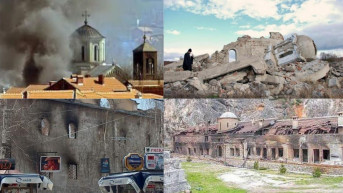
On the occasion of the 22nd anniversary of the March pogrom against Serbs in Kosovo, which will be marked tomorrow, the Journalists’ Association of Serbia (UNS) recalled in a statement that the events began with a news report published on 16 March 2004, when, as they state, the public broadcaster of Kosovo – RTK “published a false claim that triggered a wave of violence the following day, on 17 March.”
“Serbs forced a group of Albanian children into the swollen Ibar River, which caused three of them to drown,” the report claimed, UNS recalled.
The investigation that followed, as well as the UNMIK report, refuted those allegations. A UNMIK spokesperson stated that the surviving children had been “under strong pressure from Albanian journalists and politicians to accuse Serbs from a neighboring village.”
UNS also notes that the OSCE Mission in Kosovo, in its report “The Role of the Media in the March 2004 Events,” emphasized that “without reckless and sensationalist reporting on 16 and 17 March, the events might have had a different outcome.”
“They might not have reached the documented intensity and level of brutality, or might not have occurred at all. Specifically, the clear spin that the media gave in their reporting on the fatal drowning of the group of children on 16 March was not supported by any journalistic evidence,” the report states, adding that “Kosovo-Albanian television media chose to characterize the drowning incident involving three children as deaths directly and unquestionably caused by hostile local Serbs.”
“No evidence was presented to support this claim, and the interviewed child never stated this, as the media clearly and forcefully portrayed,” the OSCE report further notes.
UNS also points out that in 2024, when the Serbian community was quietly marking two decades since the events that profoundly changed their lives, the RTK website published an article largely copied from the report written 20 years earlier, which, according to the statement, constituted an obvious attempt at historical revisionism.
After the reaction of the Journalists’ Association of Serbia and its branch in Kosovo and Metohija, the RTK website modified the article, emphasizing that “the text was corrected following an earlier unintentional technical journalistic error, for which they apologize.”
“However, after the ‘correction,’ it became clear that the changes were merely formal and that the essence and spirit of the previous information remained unchanged. At no point did they inform readers or the public that it had been a false report,” UNS stated.
At the time, at least 50 employees of the Serbian-language TV channel RTK2 and the Serbian editorial staff of RTK1 publicly distanced themselves from the disputed article about the March unrest published on RTK’s Serbian-language portal.
The editorial board and management of the Serbian-language Radio Television of Kosovo channel (RTK2) requested at a meeting with the then Director-General that the Serbian-language website page RTK Live/RTK2 be placed under their authority, and that until then the RTK2 label be removed. The page was subsequently renamed RTK Live/Serbian.
UNS also reminded that they filed a complaint with the Kosovo Press Council, which was rejected. According to the Council’s decision, the RTK journalist had merely “described the situation that occurred 20 years earlier, noting that the report about the drowning of children—while being chased by young Serbs—had a significant impact.”
“While for the Kosovo Press Council no provision of the Press Code of Kosovo had been violated, for the then RTK Director-General Shkumbin Ahmetxhekaj the publication of the report on the 20th anniversary of the March pogrom was simply a ‘lapse,’” the UNS statement adds, quoting his remarks at the time:
“It happened, and I regret it. We should not constantly return to history. RTK still bears responsibility today for the role it had back then in broadcasting an unverified report. The article has been amended and corrected. The journalist cited a politician who was in the north, referring to the news from 2004. A young and inexperienced journalist published the article. Of course, there was also a public apology.”
UNS also informed the International Federation of Journalists, the European Federation of Journalists, and seven other international media and journalist organizations that the false information which had triggered the events known globally as the March pogrom had once again been published on the website of Radio Television of Kosovo in both Serbian and Albanian.
The Journalists’ Association of Serbia notes that 22 years later, no one has been held accountable either for the destructive news report published in 2004 or for organizing the pogrom itself.
“The public broadcaster RTK, whose false report served as the initial spark for the pogrom, was ‘punished’ by receiving financial assistance for journalist training and the professionalization of the media outlet. Even in 2024, after the false information was repeated, there has been no sanction or reaction regarding RTK’s dissemination of disinformation,” the UNS statement concludes.

0 comments