
Visnjic: Kosovo is trying to establish a counterpart to the Specialist Chambers in The Hague
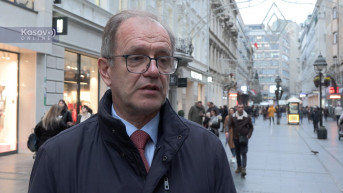
Attorney Tomislav Visnjic assesses that the report from the Special Prosecutor's Office in Pristina on a large number of war crimes cases is an attempt to establish a counterpart to the Specialist Chambers of Kosovo in The Hague and to justify the significant funds being spent.
"Definitely, this is one of the 'public relation' possibilities that the Kosovo Government, or the prosecutor's office, is using. Especially since the report was published in a week when the trial in The Hague was interrupted due to the death of one of the defenders. In that sense, this has become the main news for internal political needs in Kosovo," Tomislav Visnjic says.
When asked about the fate of these cases when most of the accused, according to the prosecutor's claim, are inaccessible to Kosovo judicial authorities, Visnjic says there are only two possibilities: to be tried in absentia or to proceed with the cases when those individuals become available.
"We can reduce international practice to the practice of neighboring countries, where everyone judges their citizens, there is no extradition. However, the problem with Kosovo is significantly complicated because they do not have state status according to our internal legal order. Cooperation with their prosecutor's office, I don't know if it has been realized by our War Crimes Prosecutor's Office. But, in that sense, contacts and the possibility of extradition do not exist, at least not in the current stage," Visnjic believes.
He says it is particularly intriguing to him why the Special Prosecutor's Office emphasized only two cases: indictments for war crimes in Meja and the Dubrava prison inherited from EULEX.
"That seems to me a bit like justifying the funds that finance the Prosecutor's Office, given that these two cases were highlighted as leading cases in their work. The fact is that a large number of individuals suspected are probably not on the territory of Kosovo, and these cases can only have two outcomes. One is to try the accused in absentia, and the other is for the cases to be put on hold until those individuals become available to the Kosovo judiciary," Visnjic believes.
He says that the statements by Kosovo officials that this way justice will be served and that there will be a reckoning with the past are currently exclusively intended for "external use."
"This statement is intended for external use. Their practice shows that they cannot resolve even much simpler cases involving different nationalities, Serbs, at the local level. I don't have much trust in that statement, and I think it is primarily intended for external use," Visnjic concludes.


0 comments