
Vladisavljev: Through the Berlin Process, the UK remains a relevant actor in the Western Balkans
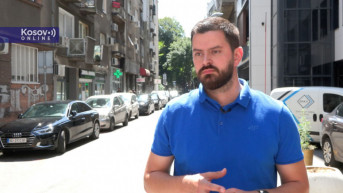
The Berlin Process is one of the ways the United Kingdom can remain a relevant actor in the Western Balkans region, as there is certainly interest stemming both from historical context and various economic interests that the UK has in the region, Stefan Vladisavljev, program coordinator at the BFPE Foundation for a Responsible Society, says for Kosovo Online.
London will host the Berlin Process summit in October, and the UK's interest in this initiative has also been confirmed by the Friendship Agreement signed between Germany and the UK about ten days ago.
Vladisavljev states that by leaving the European Union, the UK has to some extent redefined its strategic position on a global level, and consequently also in regions that are of certain significance to it, both historically and economically. He explains that "as a power with historical ties," the UK is striving to remain an active actor in the Western Balkans region by establishing cooperation not only at the regional level but also through bilateral relations.
“Hence the envoys, their visits, and bilateral meetings. However, the actual contribution remains very questionable, even though it can certainly be called constructive, primarily through support for the Berlin Process, which has informally received the green light and backing from all relevant capacities for the establishment and facilitation of regional cooperation mechanisms within the Western Balkans,” Vladisavljev says.
When it comes specifically to the normalization of relations between Belgrade and Pristina, Vladisavljev does not believe that London could be more successful than the EU if it were to get involved in that process.
“From Robert Cooper to Catherine Ashton, there was a certain role played by the UK within the EU framework, even a very high level of engagement, but after leaving the EU, one of the many things they gave up was relevance in the dialogue process. They now remain a distinct contributor to the development of regional cooperation processes, but there is, by definition, no room at this moment for an official role in the dialogue process,” he emphasizes.
He adds that the European Union currently still has the mandate to facilitate the dialogue, but history has shown that without the active participation of the United States, there is no real progress between the two sides.
“We saw that through the engagement of Gabriel Escobar. While the US had an active mandate in the dialogue process during the Biden administration, there was some movement. After that, things largely stalled when Washington seemed to slightly ease off the brakes. At this moment, we don’t have clear signals as to whether there are representatives from the US administration who will be actively involved,” Vladisavljev notes.



0 comments