
Vujinovic: The Kosovo issue, SOC heritage, and the position of Serbs burden Belgrade-Skopje relations
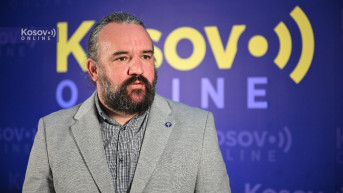
Security studies researcher Nikola Vujinovic stated that the significant increase in economic exchange is an indicator that cooperation between Serbia and North Macedonia is on the rise. However, he added that there are still several unresolved issues between the two countries: from the status of Kosovo to Skopje's official stance on the position of the Serbian community and the property of the Serbian Orthodox Church (SOC).
Exactly one year ago, in the Prohor Pcinjski Monastery, the presidents of Serbia and North Macedonia, Aleksandar Vucic and Gordana Siljanovska Davkova, agreed to strengthen cooperation between the two countries in all areas.
Vujinovic points out that two main goals were emphasized at that time, but only one has been successfully realized.
"The presidents set two key goals. Increasing economic cooperation, which I believe has been successfully achieved. Once all statistical data comes in, we will confirm that economic exchange really is close to two billion euros. The second goal, which personally I found more important, but where I think we haven’t made much progress, is infrastructure cooperation. This refers to the Belgrade–Skopje–Thessaloniki railway, an idea the presidents proposed during their talks," Vujinovic said for Kosovo Online.
When asked how much the two countries could support each other in European integration, Vujinovic sarcastically noted that North Macedonia is a "great example" for Serbia.
"North Macedonia is a great 'example' for Serbia in EU accession talks because, unfortunately, North Macedonia is going through exactly what I believe Serbia will face when the time comes. Just look at how Bulgaria and Greece, as EU members, treat North Macedonia. They demanded that literally everything be changed just to begin accession, and even then, no real progress was made. I expect Serbia will face similarly unacceptable demands from its EU-member neighbors," the analyst remarked.
Vujinovic is convinced that the status of Kosovo, the central issue in the dispute between Belgrade and Pristina, will be resolved once geopolitical circumstances change.
"It is clear that, like Montenegro, North Macedonia recognized Kosovo due to pressure from major powers and geopolitical actors. When that changes, I believe it will only be a matter of minutes before either Montenegro or North Macedonia is the first to change its position," Vujinovic said.
Speaking about remaining points of contention in the relations between the two countries, Vujinovic recalls that one of the main issues, church-related disputes, was resolved by the recognition of the autocephaly of the Macedonian Orthodox Church.
Nevertheless, he emphasizes that despite the fact that, after many years, a Serb has become a member of the North Macedonian government, the issue of Serbian national identity in the country remains present.
"Unfortunately, there is a well-known long history of how Macedonian Slavs relate to their identity, and what has been happening recently is that cultural heritage registered internationally as Serbian is now being rebranded as Macedonian cultural heritage," Vujinovic warns.
He believes that Serbia is aware of this, but also understands that it "cannot fight on a hundred fronts."
"We already have enough major problems to deal with, but I do think public attention should be drawn to the fact that monasteries of King Marko Mrnjavcevic or King Milutin are starting to be renamed as Byzantine monasteries and churches," Vujinovic concluded.

0 comments