
Vuletic: Acceptance of Kurti's condition regarding elections would mean recognizing Kosovo
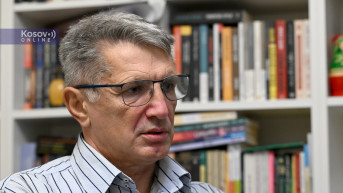
Kosovo Prime Minister Albin Kurti uses every opportunity to bring his policy, which has caused instability throughout the region, to its goal, and his condition for an "interstate agreement" with Serbia to enable Serb voting in Kosovo in the extraordinary parliamentary elections for the Serbian Parliament in December should be viewed in that light, sociologist Vladimir Vuletic says.
He says for Kosovo Online that what Kurti is asking for is, in fact, for Serbia to "de facto and de jure recognize the independence of Kosovo, where those with Serbian citizenship could then participate in the elections."
Insisting that Serbia and Kosovo are two "completely independent states" is nothing new, Vuletic points out, emphasizing that Serbian President Aleksandar Vucic has also stated that Serbs in Kosovo will not be able to vote in the municipalities where they live. He also recalls that since Kurti took over the institutions in Pristina, Serbs in Kosovo have not had the opportunity to vote.
"The agreement Kurti is now mentioning would mean that Serbia fully recognizes the independence of Kosovo. In other words, it would be like in the case of other countries where our citizens vote, such as Austria and others, where the relationship between Pristina and Belgrade would be like the relationship between Pristina and Vienna or any other capital or country. This is his attempt to blackmail and make life more difficult for Serbs in Kosovo and Metohija," Vuletic says.
Regarding a possible change in the decision of the Kosovo authorities, if there is increased pressure from the international community and international institutions, Vuletic believes this is unlikely.
"I don't think there will be elections held in Kosovo. There will be certain pressures, in quotation marks, only to the extent that it is assessed that they could contribute to stabilizing the situation and continuing the negotiations. The real problem is that most international institutions, where the key players are countries that have recognized the independence of Kosovo, fundamentally see the situation similarly to Kurti. And everyone would actually like and want Serbia to recognize Kosovo, and they hope and believe that this would stabilize the situation in the Balkans. That is their view of the situation, and it seems to me that this is not the right path," Vuletic emphasizes.
He adds that this situation, with the impossibility of holding Serbian elections in Kosovo, is just another symbolic act showing that Serbs in Kosovo do not have basic human rights.
"When it comes to elections, the right to vote is one in a series that is being violated. For Serbs and their everyday life, a much bigger problem is that many other existential rights are being violated," our interlocutor emphasizes.
Belgrade has requested from the OSCE in Pristina to engage in organizing the electoral process for the Serbian Parliament, delivering electoral material to polling stations, as well as collecting ballot papers and transporting them after the vote, as was the practice until 2020 and the arrival of Kurti to power.
In response to these requests, Kurti stated that "Serbia needs to propose an agreement to enable the Serbian community to vote," meaning that without an "interstate agreement with Serbia, organizing Serbian elections in Kosovo will not be allowed."
Director of the Office for Kosovo and Metohija Petar Petkovic informed the Republic Electoral Commission yesterday that due to the "unacceptable conditions of Pristina and Kurti, it is currently impossible to organize the electoral process in Kosovo, which would be in accordance with the law, state, and national interests of Serbia."


0 comments