
Vulic: Serbs in Kosovo face both formal and informal discrimination
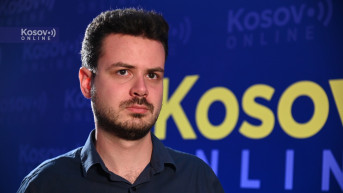
Historian Sinisa Vulic stated that “formal and informal discrimination” is being carried out against Serbs in Kosovo, and that all the reactions of the international community so far to Pristina’s unilateral moves show that, “in a diplomatic sense, they are actually making its job easier.”
A group of non-governmental organizations from Kosovo recently sent an open letter to the Council of Europe’s Human Rights Commissioner, Michael O’Flaherty, inviting him to visit Kosovo and see for himself the “serious and systematic violations of the rights” of non-majority communities, particularly the Serbian community.
Vulic expressed skepticism that this letter would prompt any meaningful response beyond rhetoric.
“I am not sure I expect any reaction other than perhaps a declarative one. So far, we have seen that the international community often responds to what is happening in Kosovo and Metohija by condemning Pristina’s actions, but does nothing about them,” Vulic told Kosovo Online.
He added that although KFOR holds the “mandate and means” to prevent unilateral actions, the international community ultimately “fully accepts the situation on the ground.”
“In fact, they tacitly even approve of it, since we see that the consequences of those actions largely make their job easier, because the situation in Kosovo and Metohija is diplomatically simpler when there are fewer Serbian institutions and fewer Serbs,” Vulic explained.
He noted that discrimination against the Serbian community in Kosovo is carried out both “formally and informally.”
“Formally, it is carried out through the biased application of laws, in such a way that they do not apply equally to Albanians and Serbs,” Vulic said.
He added that this includes laws that are “stretchably interpreted” when it comes to the Serbian community in Kosovo.
“These are primarily laws concerning the incitement of interethnic and religious intolerance. We have seen cases of people being arrested for wearing symbols on their clothing representing the Republic of Serbia or Serbian sports clubs — something unheard of in any country in recent times,” the historian emphasized.
According to him, “informal” discrimination is carried out through intimidation and harassment of Serbs in northern Kosovo.
“They are intimidated and harassed in various ways, and then when the police arrive at the scene they do nothing about it — or even try to present the incident as if both sides were equally involved, suggesting that the Serbs who were attacked actually provoked it,” Vulic concluded.


0 comments