
Zecevic: Turkey seeks dominance in the Balkans – unclear how acceptable that will be to the West
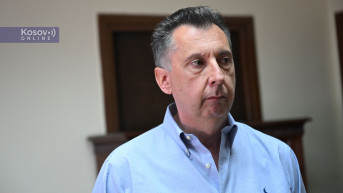
The Director of the Institute of European Studies in Belgrade, Slobodan Zecevic, stated that all countries that have recognized Kosovo may engage in both public and covert lobbying efforts on its behalf. He added that Turkey has an additional interest, as it aims to assert itself as a leading power in the Islamic world. However, Zecevic questioned whether such expansion by Ankara into European territory would be tolerated by the leading EU countries.
“Any country that has recognized Kosovo may lobby for it, publicly or secretly. The logic behind this is that if a country has already recognized Kosovo, it naturally wants that geopolitical solution to be affirmed in international relations. Therefore, every country that has recognized Kosovo could potentially act as a lobbyist,” Zecevic told Kosovo Online.
Commenting on the statement by Serbian President Aleksandar Vucic that Turkey and several other states are leading the lobbying efforts for Kosovo, Zecevic reminded that Turkey has long had geopolitical ambitions.
“Turkey has always aspired to be a great power in the Islamic world. Recep Tayyip Erdoğan seeks to position himself as a kind of patron of the Islamic world globally,” Zecevic said.
He added that Erdoğan maintains contacts with Muslims in Bosnia and Herzegovina and is attempting to do the same in Kosovo.
“It is evident that he has also been given certain concrete tasks, such as arming the future Kosovo army. This is a policy that currently suits him. Perhaps the West is behind it, but it benefits him as he builds the image of a great Islamic power that supports Muslims in all parts of the world, including the Balkans,” Zecevic stressed.
The key question, according to him, is how acceptable this expansion of Turkey in Europe will be to the West.
“With the way things are unfolding, I’m not sure to what extent it is in the interest of European countries—particularly the larger EU members—that Turkey increases its geopolitical and political influence in Europe. We are seeing the rise of far-right forces in Germany and France, and they are already in power in Italy. I believe that in the near future, those EU countries might begin to view Turkey’s growing influence on European soil with increasing disapproval. This might, in the future, become an argument in our favor,” Zecevic noted.
He believes that the process of de-recognition does not undermine the core lobbying efforts of the countries that support Kosovo's independence; in fact, it may even intensify them. However, it does send a clear message that the issue is not resolved.
“De-recognition means there is a balance in play and that the scales are tipping in our favor. More countries now do not recognize Kosovo than those that do, which strengthens the argument that this is not a fait accompli, a matter that is settled, but rather a problem that has undermined the territorial integrity of Serbia and should be resolved in a manner that suits both sides,” Zecevic stated.
He added that possible new de-recognitions will not deter Turkey or other countries from continuing to lobby for Kosovo.
“This is now a competition to maintain balance, so that countries that have recognized Kosovo cannot claim that everyone around them has done the same and that the case is closed. If there are other countries that are de-recognizing or refusing to recognize Kosovo, it means the issue remains unresolved and must be addressed—with consideration for Serbia’s interests,” Zecevic concluded.



0 comments