
Albania: Minority representatives criticize the census because it avoids questions about ethnic affiliation
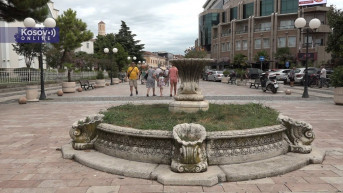
Representatives of national minorities in Albania, as they say for Kosovo Online, are not satisfied with the way the population census is being conducted in this country, as citizens are mostly not asked to declare their ethnic affiliation.
The census of households and population in Albania began on September 18 and will last until October 30.
Kosovo Online's interlocutors claim that the enumerators are not adequately trained for this process, and there have been numerous shortcomings during the census.
Endri Fetahu, the President of the Macedonian Alliance for European Integration, says there were problems before and during the census, and the enumerators did not ask questions related to national affiliation because they were not mandatory for answers.
"Some of the issues our community faced are related to the influence and pressure of individuals or even foreign institutions, specifically Bulgarian ones, on our minority living in Pustec, Golo Brdo, Gora. They influenced people not to provide an accurate and free statement about which community they belong to," Fetahu said.
He stated that, according to his information, enumerators had tendentiously skipped questions that had not been mandatory to answer.
"Volunteers conducting the census in the field, in most cases, did not ask questions that were not mandatory, related to ethnic affiliation, or they didn't explain them, or they didn't ask them at all," Fetahu said.
The Committee for National Minorities should have done more and should have had greater autonomy and authority that directly depended on minority representatives, rather than state authorities.
A similar opinion is held by minority rights activist and lawyer Edmond Petraj in Albania. He emphasizes that the census should have been conducted differently.
"The census should not have been conducted by volunteers from the Institute of Statistics who knock on people's doors. Instead, the survey should have been done through an online system, like 'e-Albania', which provides all other services to citizens. It should have been carried out using modern technology, allowing everyone to open their account and complete the mandatory questionnaire, specifying their ethnic affiliation. The way the census is conducted today should continue only for the elderly who are not able to use technology," Petraj said.
He reminds that in the last census conducted in Albania in 2011, the number of Vlach national minority members did not correspond to reality.
"It was absurd what happened in the last census, which showed that there were 8,000 Vlachs in Albania, while we know that in Vlora alone, there are 15,000 to 20,000 of them. Just in the Topalti neighborhood in Vlora, there are 8,000 Vlachs. When you look at the voter registry, it's the best way to see; we recognize our people by surnames, that we know the villages and areas where they live. The numbers do not reflect the truth," Petraj concluded.
Representatives of the Serbian national minority did not want to comment on the conduct of the census in Albania. In informal statements, they told us that publicly discussing the census could only bring them trouble.
We were unable to obtain a response from the National Institute of Statistics of Albania (INSTAT) regarding the objections raised by minority representatives, despite multiple requests. The Committee for National Minorities was also not willing to discuss the topic.
As previously announced, the census results, which are expected to provide a comprehensive demographic picture of Albania, will be available by June of the next year.


0 comments