
Djuric: Serbia sees the Adriatic–Ionian Initiative as a key platform for regional cooperation

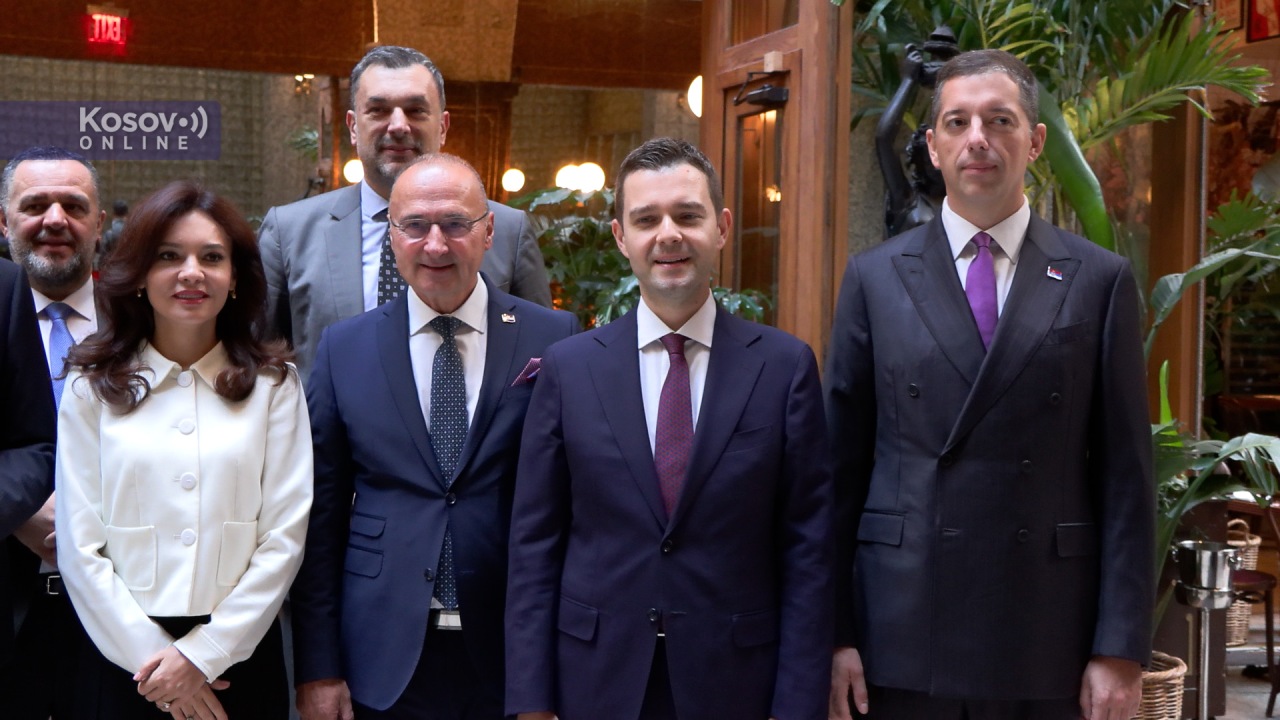
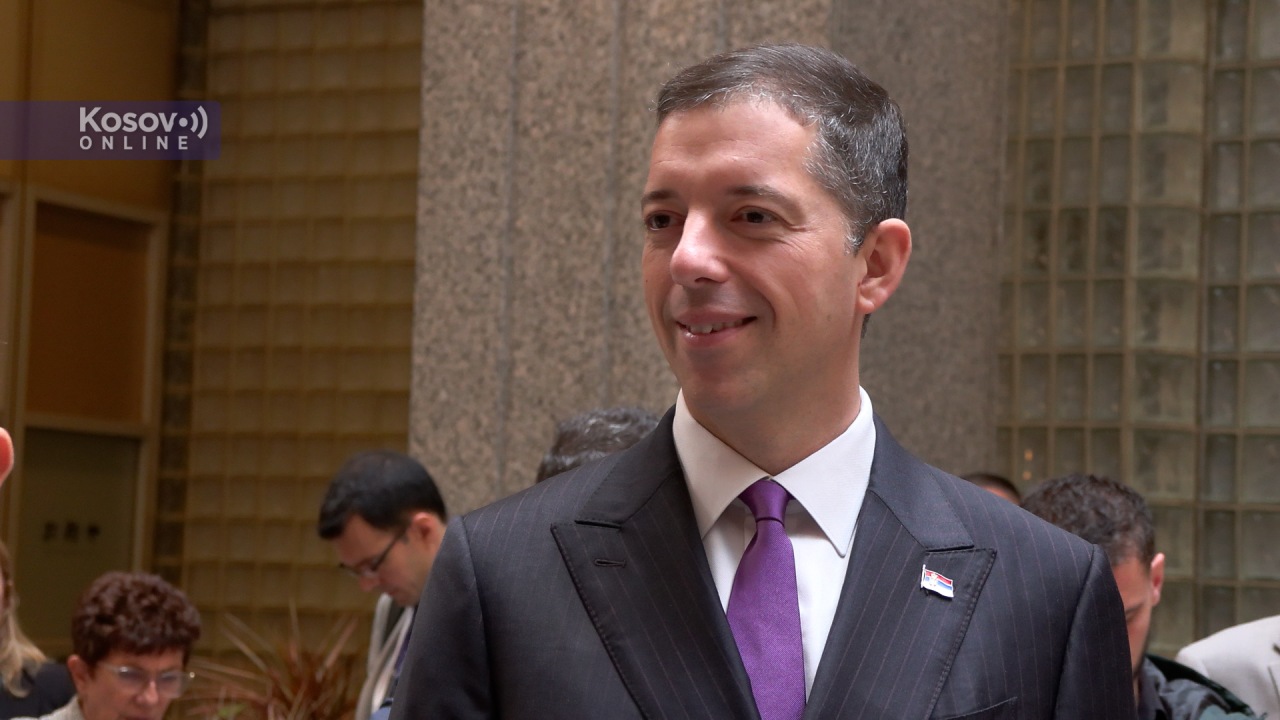
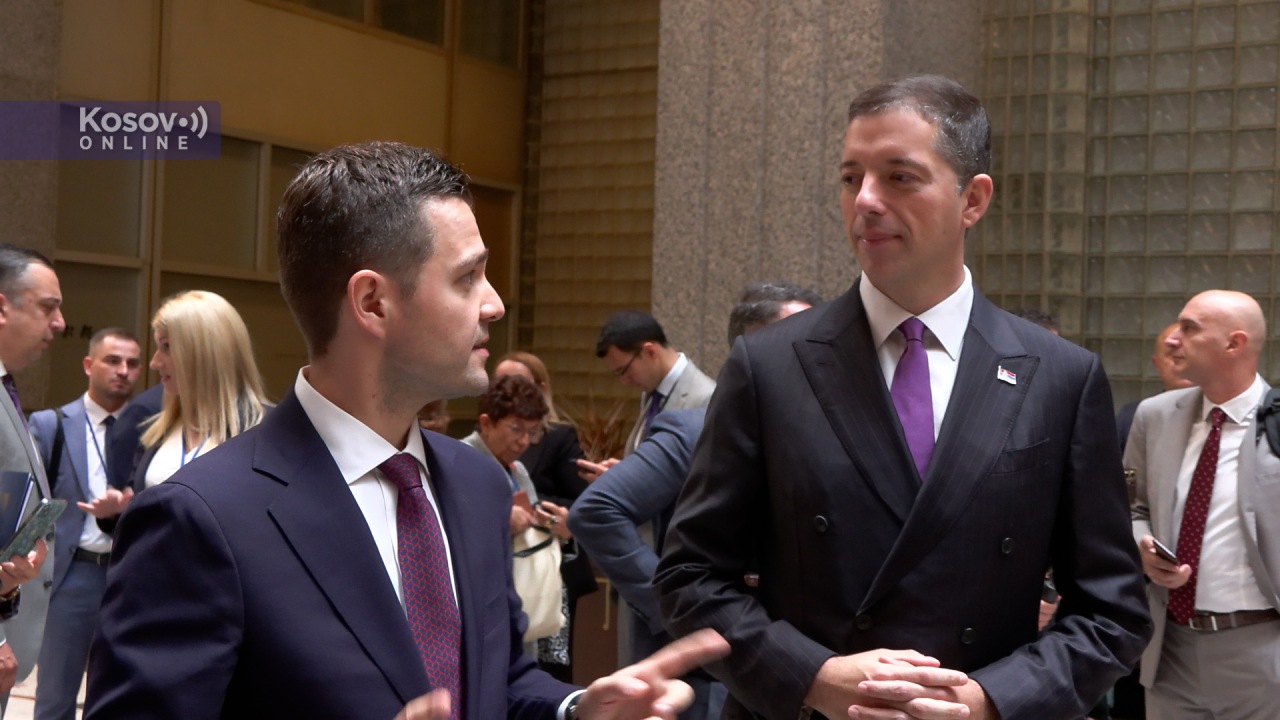
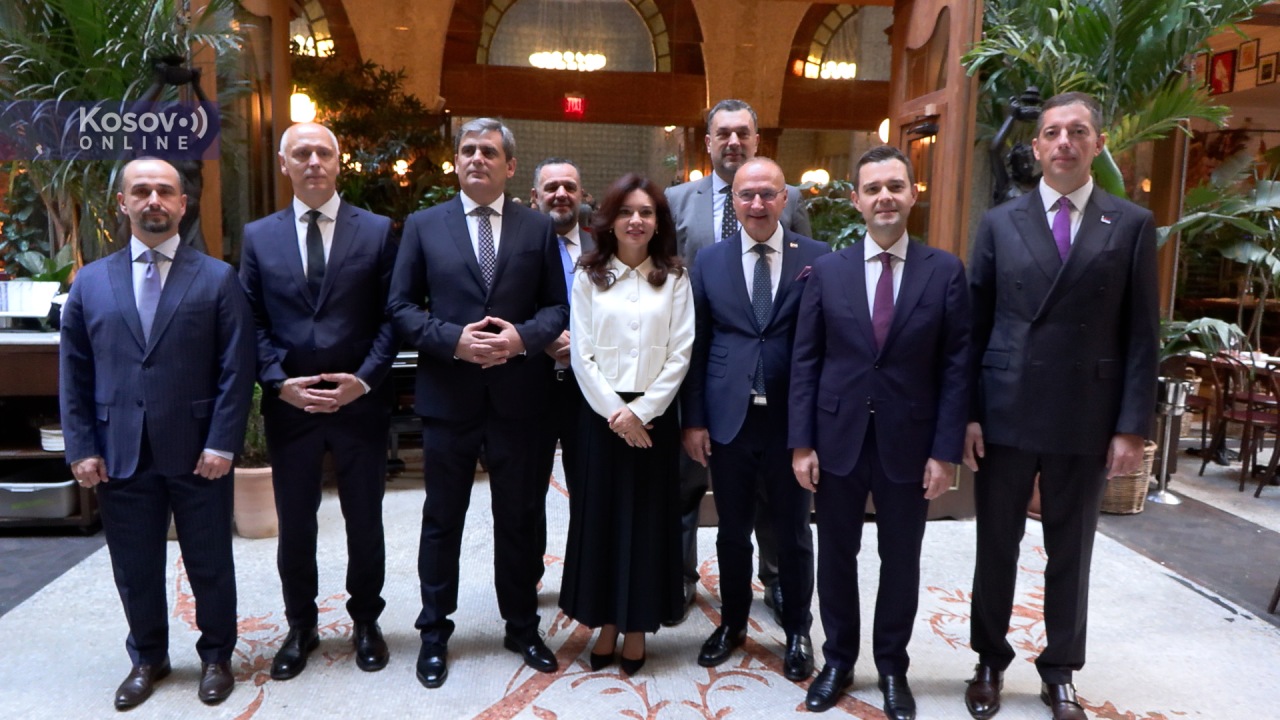
On the margins of the 80th session of the United Nations General Assembly in New York, the first meeting of the foreign ministers of the Adriatic–Ionian Initiative was held, attended by Serbian Foreign Minister Marko Djuric. He stated that Serbia views this initiative as a key platform for strengthening regional connectivity and an agenda that builds trust, enhances resilience, and creates new opportunities for citizens.
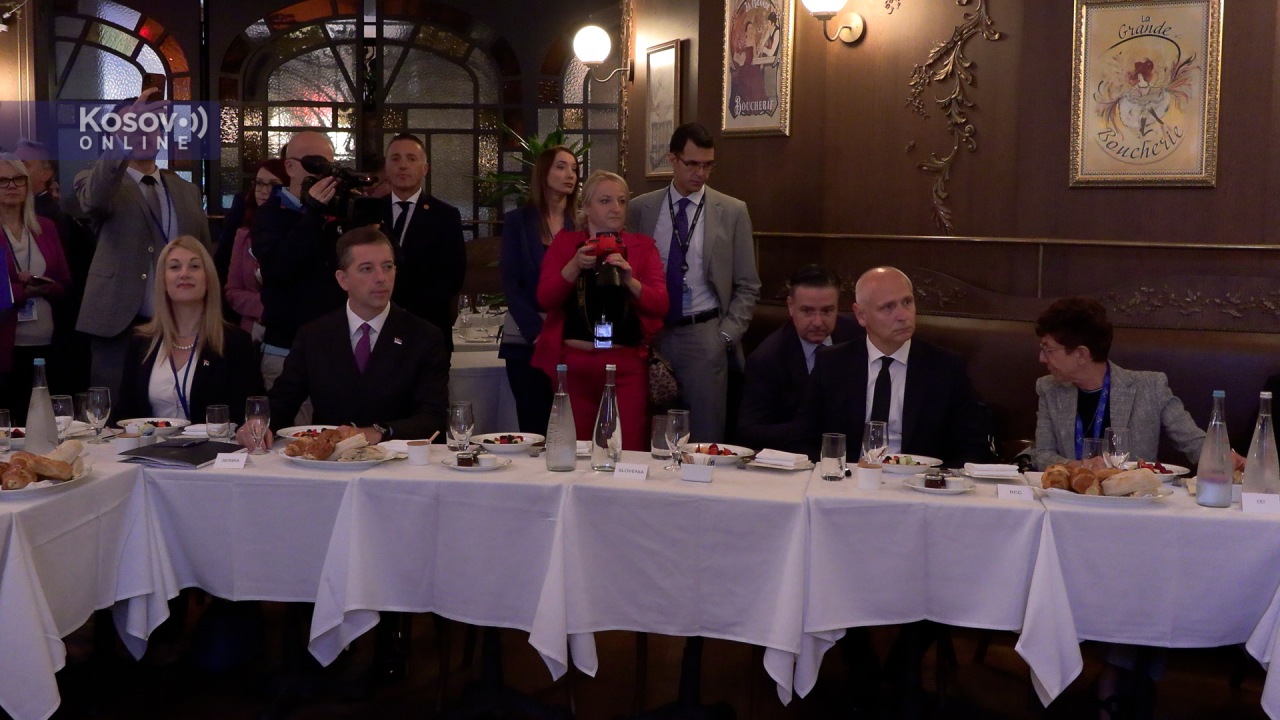
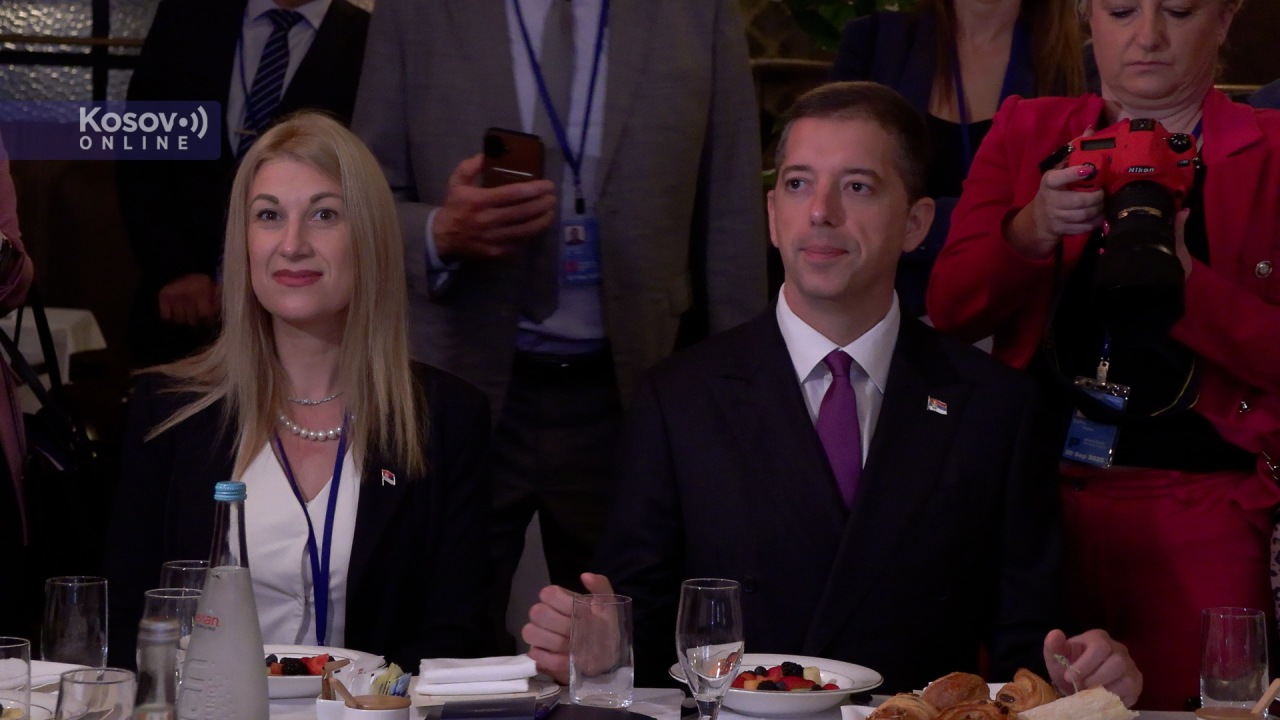
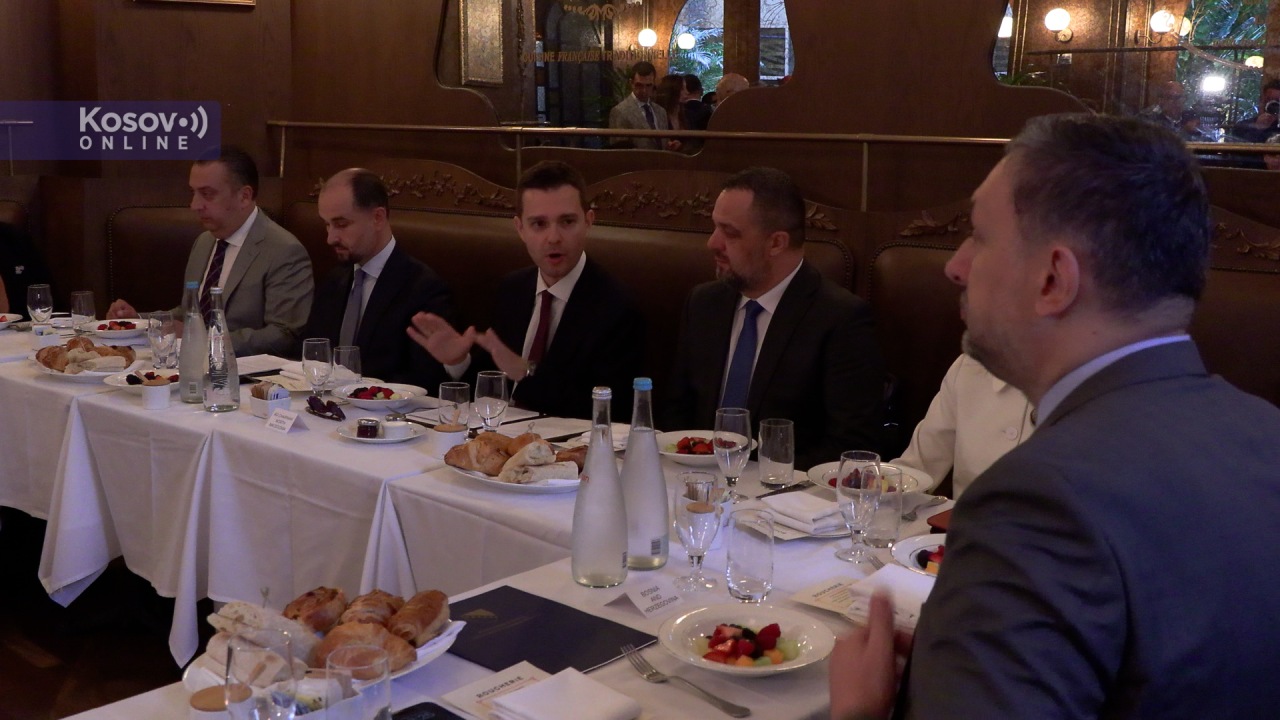
On the social network “X,” Djuric noted that he began this year’s 80th UN General Assembly by participating in an informal working breakfast of Adriatic–Ionian Initiative foreign ministers, hosted by the Foreign Minister of North Macedonia, Timco Mucunski.
“As a country that places regional cooperation at the heart of its foreign policy, Serbia sees the Adriatic–Ionian Initiative as a vital platform for strengthening connectivity in our region in a practical, people-oriented way, while also contributing to the advancement of a positive agenda in our neighborhood—one that builds trust, enhances resilience, and creates new opportunities for our citizens,” the Serbian foreign minister emphasized.
North Macedonia has taken over the chairmanship of the Adriatic–Ionian Initiative for the period 2025–2026.
In his address, North Macedonia’s Deputy Prime Minister and Foreign Minister Timco Mucunski underlined that this year marks five years since North Macedonia’s accession to the EU Strategy for the Adriatic–Ionian Region (EUSAIR), seven years of membership in the AII, and 25 years since the signing of the Ancona Declaration—the foundation of the initiative.
Under the motto “Strengthening Regional Unity, Advancing the European Future,” North Macedonia’s chairmanship highlights priority goals such as accelerating EU integration, building trust among member states, digital transformation, improved infrastructure connectivity, cultural cooperation, and support for youth in the region.
Mucunski stressed that it is necessary for the Western Balkans to remain a strategic part of Europe’s future, with a transparent and credible approach to EU enlargement.






comments