
Gjokutaj: More than half of Albania’s population considers itself poor
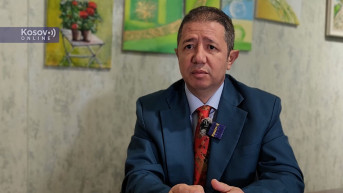
Albania is facing one of the highest levels of poverty in the region and in Europe, while more than half of its citizens subjectively feel poor, Eduart Gjokutaj, an expert in economics and employment, president and fiscal analyst of the company Altax, warned in a statement for Kosovo Online.
According to Gjokutaj, Albania records worryingly high poverty indicators compared to other European countries.
“According to the latest data measuring the poverty threshold, Albania has between 41 and 46 percent of its population in this situation, which is one of the highest levels in the region and also in Europe. Of course, this level is much higher than what is considered ‘absolute poverty’, in which around 20 percent of the population live,” he notes.
He emphasizes that a particular problem is the high level of poverty perception among citizens.
“What distinguishes Albania is that the level of the population’s perception of considering themselves poor is higher here and reaches up to 55 percent of the population. This means that around one million residents in our country feel deprived of those seven basic services or products that they should have,” our interlocutor says.
He adds that the situation in the region is at a similar level.
“In the region, Montenegro has what is called the poverty threshold at around 34 percent. Kosovo and Bosnia and Herzegovina are also at similar levels. Serbia and Macedonia have a poverty threshold of around 30–32 percent. This also includes the population’s perception that, due to social instability, the economic situation of a family may worsen,” the expert from Tirana points out.
Speaking about the causes of this situation, Gjokutaj emphasizes the way the country’s economy and labor market have been structured.
“The most influential factors are related to the way the economy has been built, which does not give citizens proper access either through the labor market or through informal employment. The part of the population that is informally employed has unstable or low incomes, and this affects their ability to cope with everyday life. This trend has increased especially in recent years,” Gjokutaj stresses.
He explains that differences between urban and rural areas are an additional factor that deepens poverty.
“Rural residents are more affected due to limited access to products and services, and because of the way our economy is structured, which is more concentrated around the capital and other large cities. This negatively affects income distribution among different segments of the population. Another factor is the market itself, which does not stimulate the entire workforce. The part of the workforce that has remained here does not have the opportunity to be employed in those market sectors that provide sufficient income for a dignified life. A significant share of household expenditures in Albania goes toward food and basic products or services for living,” he says.
Finally, he assesses that state measures to date have not been directed toward long-term solutions.
“State policies so far have mostly been aimed at reducing current tensions in society, reactive or short-term policies, rather than sustainable policies that could give such an incentive to the economy that there would not be only short-term improvements, but long-term ones. Such a policy would affect household incomes in general, and individuals in particular, by reducing the tendency of young people to leave the country as the only possible solution,” Gjokutaj concludes.


0 comments