
Analysts: Removal of U.S. tariffs opens new opportunities for the Serbian economy
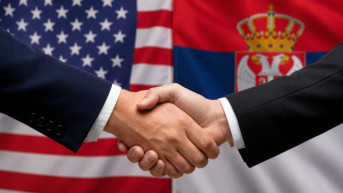
Professor Veljko Mijuskovic of the Faculty of Economics in Belgrade has described the removal of U.S. tariffs on imports from Serbia as the first tangible implementation of the agreements reached within the strategic dialogue between the United States and Serbia. Meanwhile, Petar Ilic of the Pupin Initiative says Serbia has been recognized as a partner capable of taking care of itself, both economically and in terms of defense.
The United States has eliminated tariffs on imports from Serbia, reducing the previous 35 percent duty to zero. Although a tariff of between 10 and 12 percent is expected to be introduced in the future, President Aleksandar Vucic has stated that this is unlikely to happen for at least another six months.
Speaking to RTS, Mijuskovic said that approximately 700 Serbian companies, primarily in the metal processing, chemical, and automotive components industries, would directly benefit from the removal of tariffs after operating under significantly more difficult conditions over the past year.
"I see this as the first concrete implementation of the agreements reached within the strategic dialogue between the United States and Serbia," Mijuskovic emphasized, adding that a small, open economy must cultivate relations with all key partners.
According to him, the abolition of tariffs provides an additional incentive for Serbian companies to expand their presence in the U.S. market.
"Now it is up to you. No one can hand you the keys and say, 'Here you go, now the domestic economy is successful.' A significant effort must be made," Mijuskovic said, stressing the need for companies to join forces and strengthen their production capacities.
Ilic believes that Washington's decision also carries a clear political dimension.
"This is the first concrete result of the strategic dialogue between our two countries and proof that cooperation with the United States is not merely rhetoric, but that concrete results are being achieved," Ilic said.
He added that the current U.S. administration recognizes Serbia as a partner that "knows how to take care of itself" and that bilateral relations are being built on mutual interests, which, he noted, creates room for further strengthening economic and political cooperation.
Mijuskovic also pointed out that the absence of U.S. tariffs could make Serbia a more attractive destination for new foreign investment, particularly at a time when such preferential treatment is not available to European Union member states.
At the same time, both analysts assess that, amid the current geopolitical circumstances and issues related to energy security and NIS, the decision further strengthens Serbia's position in its relations with the United States.

0 comments