
136 babies born at the Pasjane maternity ward in 2025; 1,337 newborns over the past decade
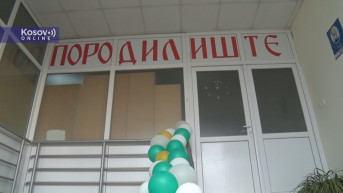
At the maternity ward in Pasjane, 136 babies were born in 2025, an increase compared to 2024. Over the past ten years, a total of 1,337 babies have been born there.
Dr. Marina Jovanovic, a physician at the Pasjane maternity ward, told Kosovo Online that she is pleased with the higher number of births in 2025 and emphasized that the Pasjane maternity ward is a pillar of the survival of Serbs in Kosovo Pomoravlje.
“In 2024, 134 babies were born at our maternity ward, while in 2025, as of December 30, 136 babies were born, which is a higher number compared to the previous year. Over the past ten years, a total of 1,337 babies have been born at our maternity ward, which I consider a large number relative to the population living in Kosovo Pomoravlje. I believe that this hospital and maternity ward represent a pillar of the survival of Serbs in Kosovo Pomoravlje,” Jovanovic said.
She noted that the maternity ward is staffed by a professional medical team that takes care of every mother and newborn.
“Women give birth here not only from Kosovo Pomoravlje, but also from Strpce, central Kosovo, and southern Serbia. This is primarily because the conditions are good and a young team of doctors works here. There are four of us gynecologists working at the Pasjane hospital, and we also have three additional doctors who assist us and from whom we learn a great deal,” Jovanovic said.
One of the doctors who decided to support the Pasjane maternity ward shortly after its opening, through both work and the training of younger colleagues, is Dr. Slavko Krstic, who has also been awarded the Sretenje Order (Third Class) for his outstanding merits. Krstic told us that, despite having entered his eighth decade of life, he still has the desire to work.
“At the beginning it felt a bit unfamiliar, because it was a new environment for me. I worked in Leskovac for a full forty years. When a person spends a night in Kosovo, Kosovo is a strange land—something draws you in and you continue working. That is how I continued to work, with the desire to train colleagues who are very fine people, as well as the staff—midwives, nurses, surgical technicians—and I think there is no staff like this anywhere else. I am particularly glad that the maternity ward is in a rural setting, which is something you don’t find anywhere else in the world. From time to time I decide to stop working, but then I began training them in surgical procedures, operative interventions in gynecology, because before that they did nothing except caesarean sections, and now they have made professional progress. I don’t know how to leave them—my family intervenes, telling me not to work anymore, I am advanced in years, but I can still perform this job quite well,” Krstic said.

comments