
For seven babies in the Clinical Hospital Center Kosovska Mitrovica there is no BCG vaccine; no tetanus vaccines either
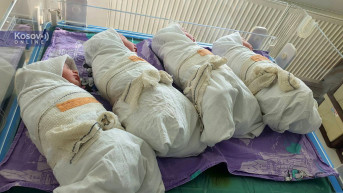
Seven babies in the maternity ward at the Clinical Hospital Center Kosovska Mitrovica are waiting to receive the BCG vaccine, which is administered immediately after birth. There are no longer any tetanus vaccines available in this healthcare institution either, as Kosovo Online learns from the authorities at the Public Health Institute Kosovska Mitrovica.
"There are seven babies in the maternity ward of the Clinical Hospital Center Kosovska Mitrovica waiting for the BCG vaccine, which means we're facing a shortage, and we no longer have it in stock. We also have issues with the tetanus vaccine," the Institute said.
The tetanus vaccine is administered after injuries to unvaccinated and incompletely vaccinated individuals in three doses. The first dose should be administered to the injured person within a maximum of 48 hours from the moment the injury occurs.
The Institute adds that their stocks of other vaccines are running out as well.
"Soon, we will be out of all vaccines, and a humanitarian catastrophe is looming," they warn.
They explain that the BCG vaccine should be administered immediately after a child's birth, and the babies from the Clinical Hospital Center Kosovska Mitrovica should have already received it. Due to the lack of the vaccine, these babies are exposed to danger.
Unfortunately, the Institute doesn't even have information on when they could receive the necessary vaccines.
They emphasize that everything is at a standstill and reiterate that they will soon run out of all other vaccines, which would lead to a terrible problem.
Taking into consideration that many epidemics of infectious diseases have started in this region, the Institute points out that they believe there is a justified epidemiological risk of a resurgence of many infectious diseases if immunization is not carried out according to the vaccination schedule.
"This would not only be a local problem but also a global one. We appeal to all, UNICEF and WHO, to help us overcome this issue for the benefit of the entire global population," they urge from the Public Health Institute Kosovska Mitrovica.

0 comments