
The Association of Families of Kidnapped and Missing Persons: The international community respects Albanian victims more than Serbian ones
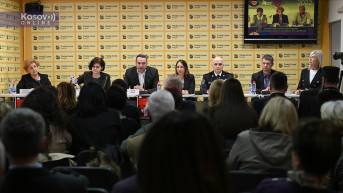
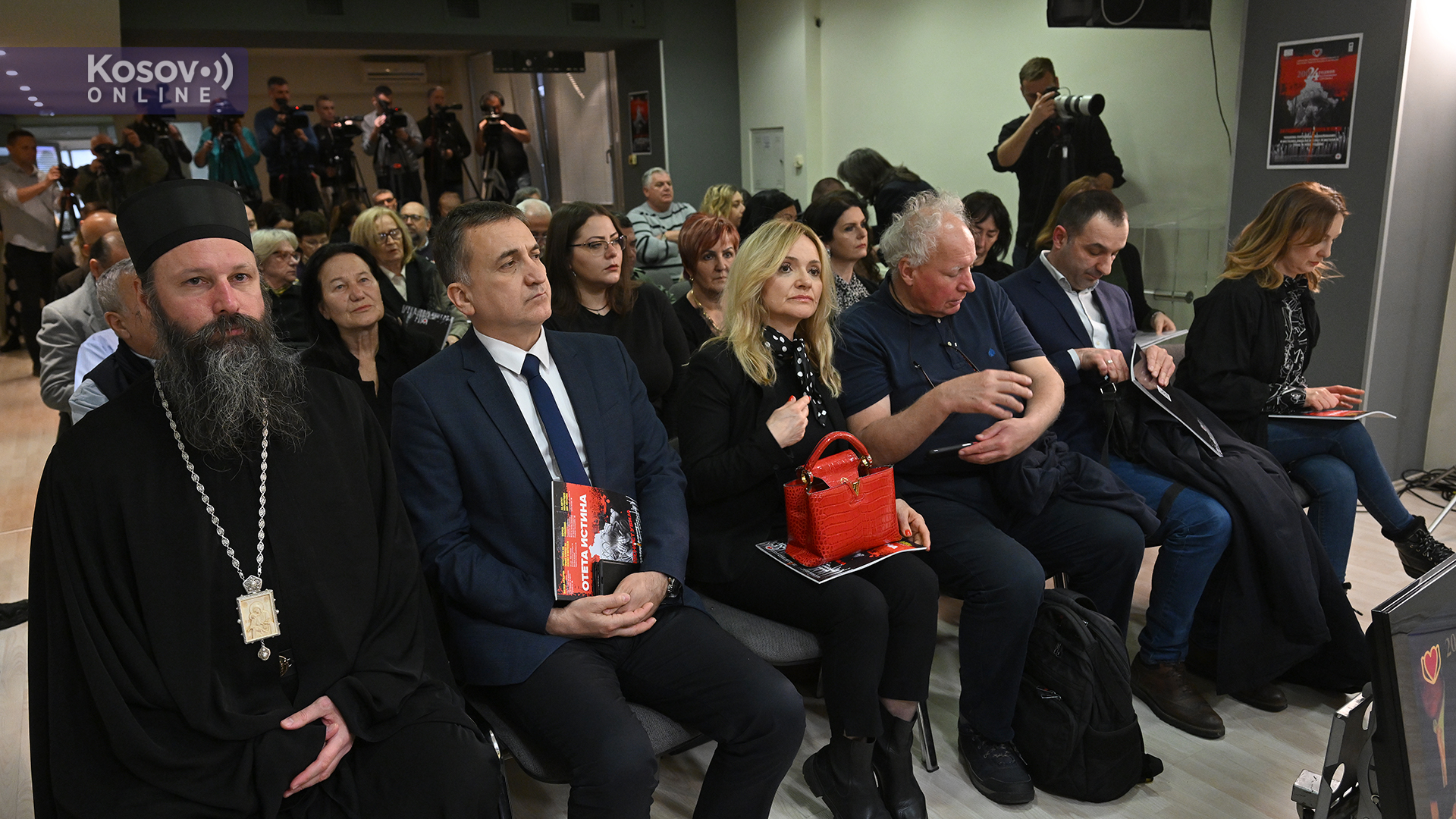
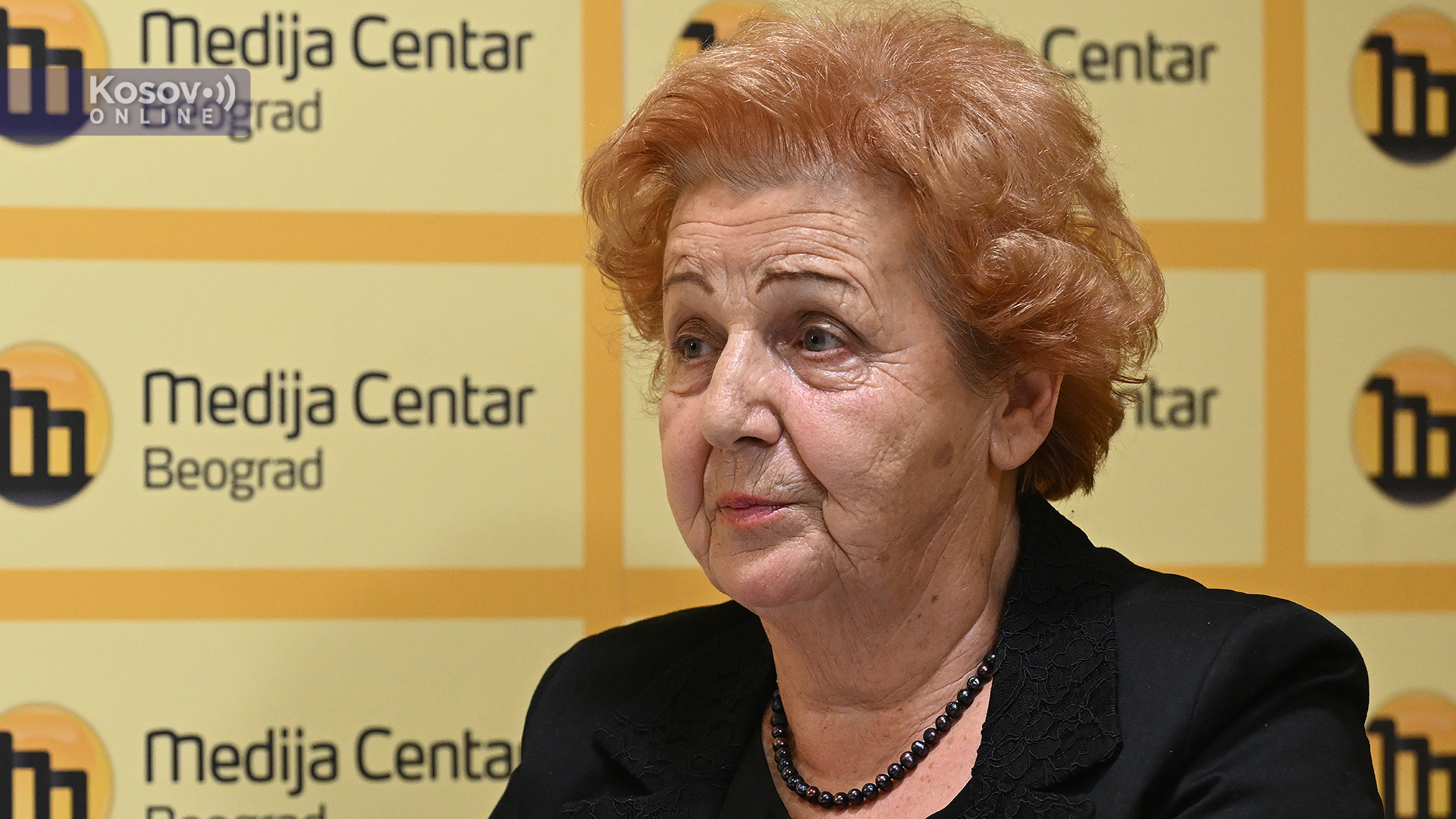
The President of the Association of Families of Kidnapped and Missing Persons in Kosovo and Metohija, Verica Tomanovic, stated that the international community respected Albanian victims more than Serbian ones, emphasizing the importance of signing the Memorandum on the National Program for Truth about the Serbs's Suffering in the Wars in the Former Yugoslavia, including the bombing in 1999 and the missing and abducted persons from Kosovo from 1998 to the present day.
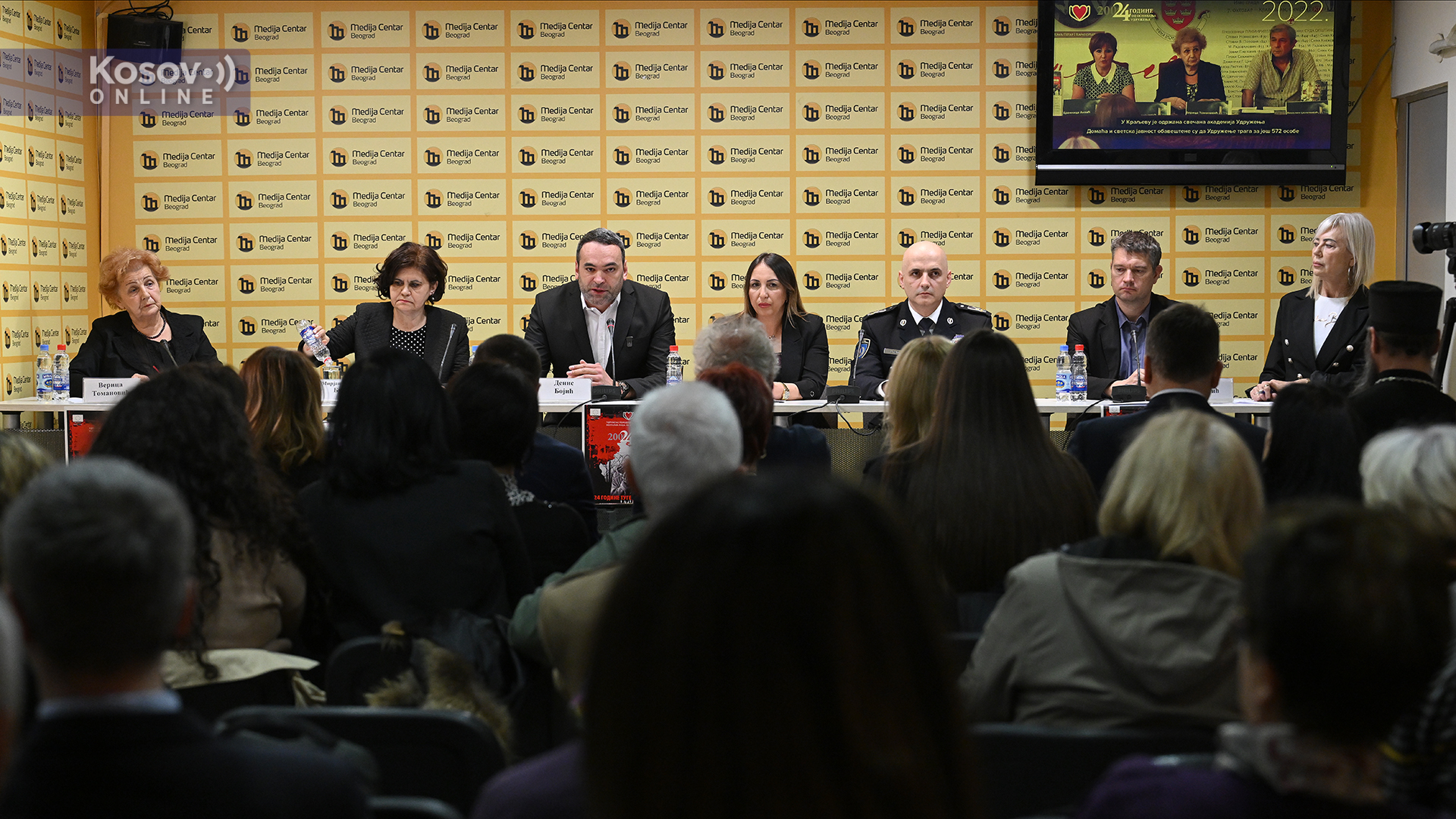
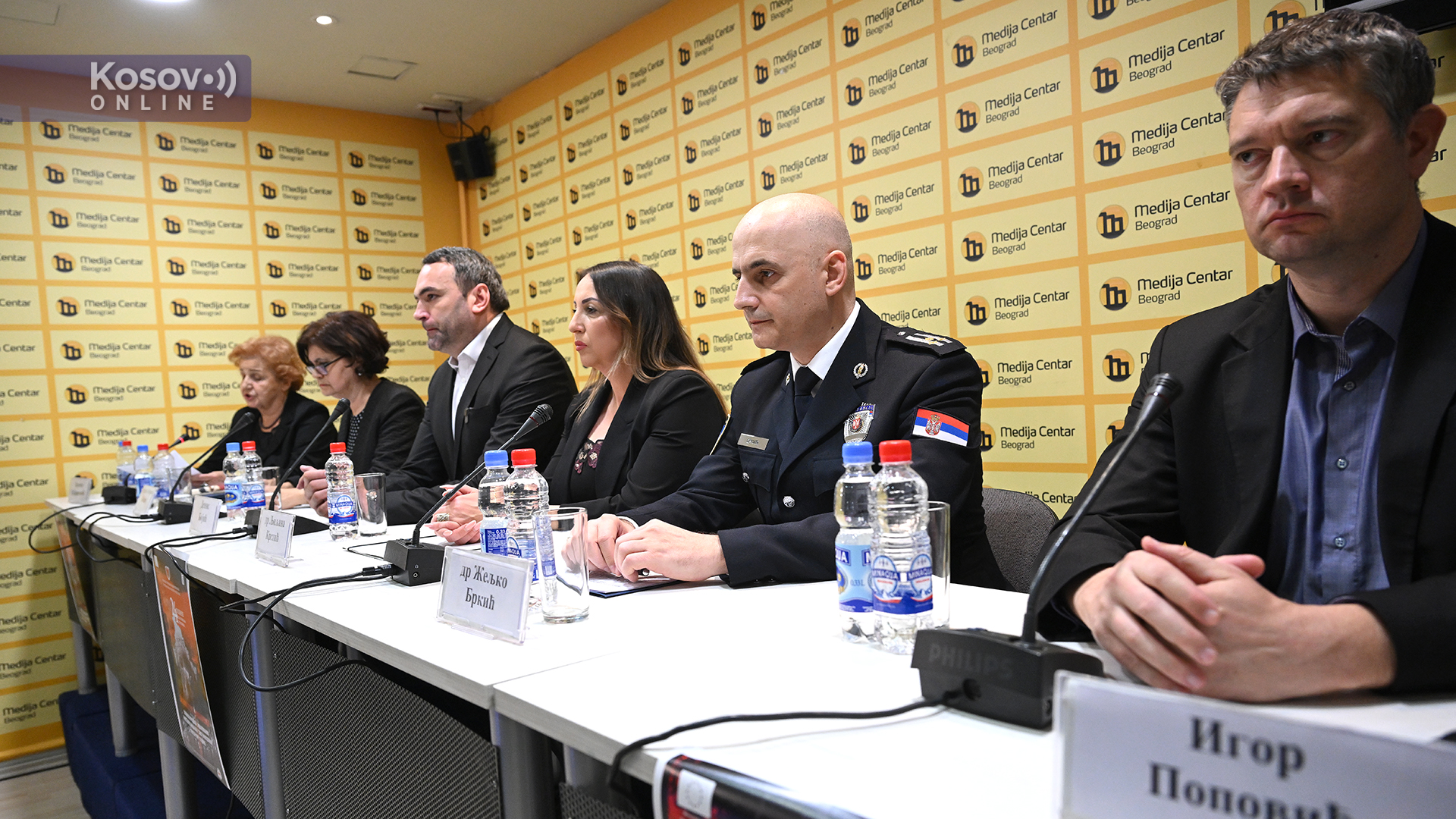
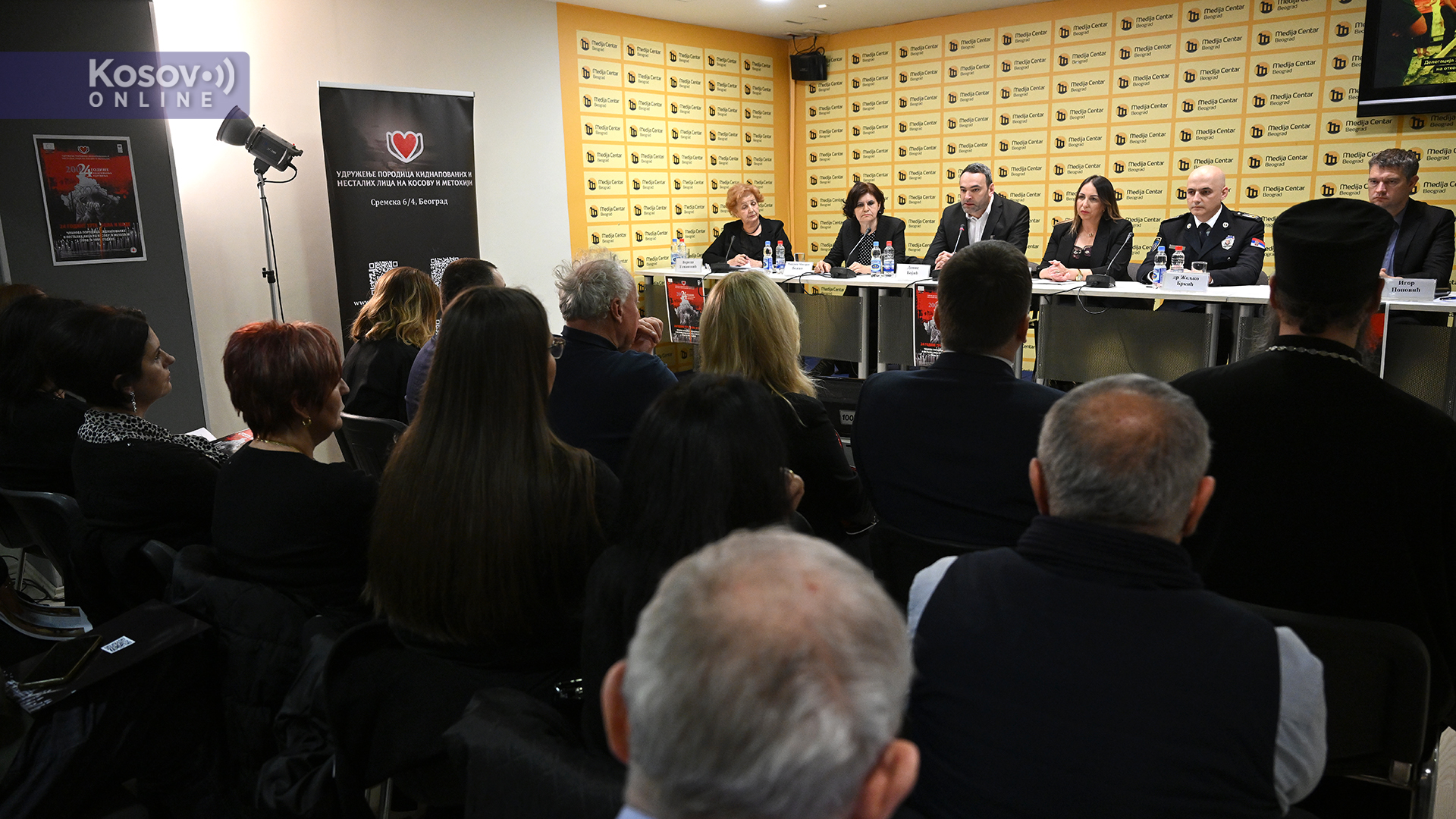
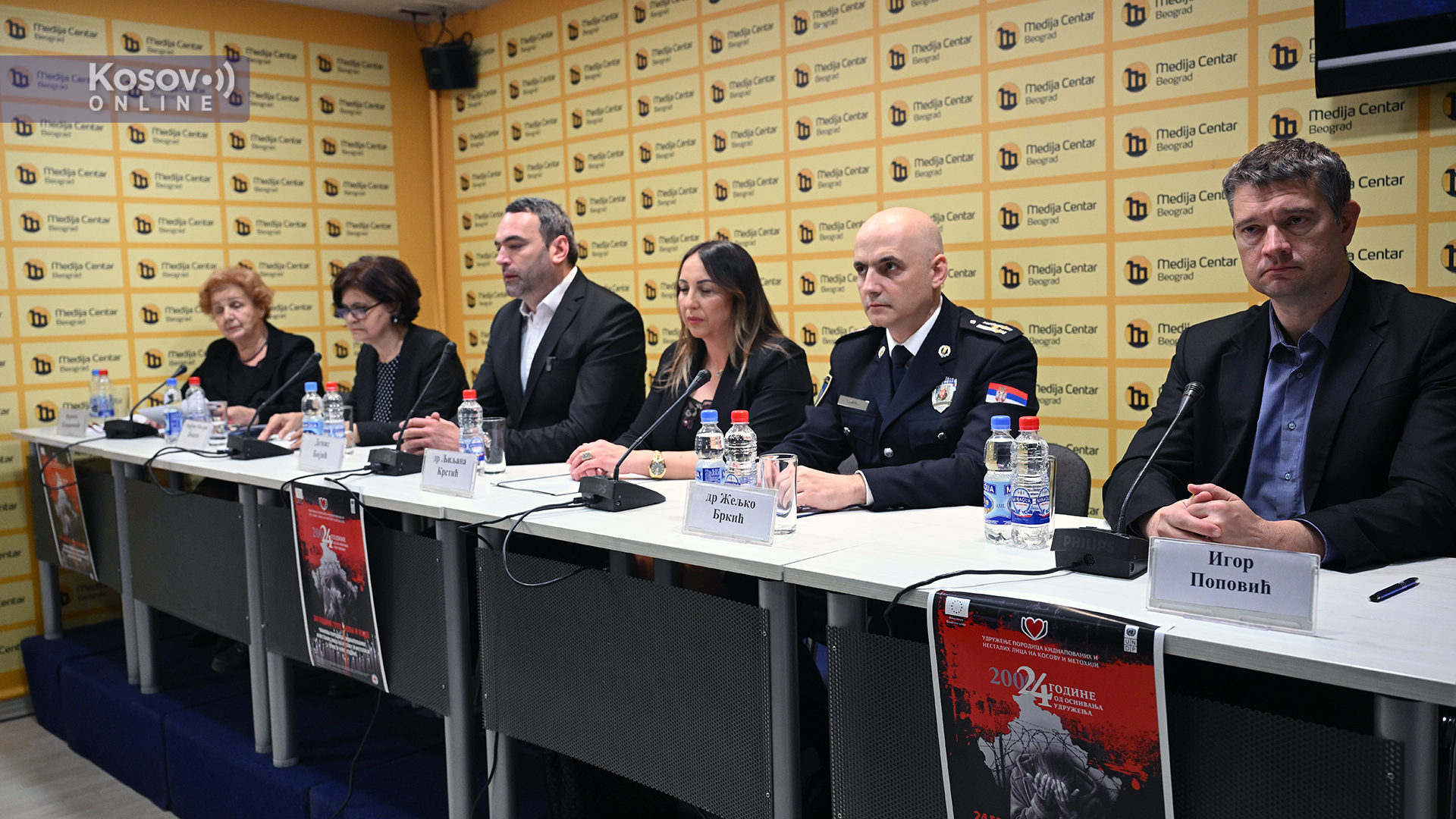
The Memorandum was signed by Verica Tomanovic, the Director of the "Visual Archive of Serb Suffering" Foundation, Denis Bojic, and representatives of associations of Serbs who suffered in Croatia. Bojic and Tomanovic emphasized at a press conference at the Media Center in Belgrade that this Memorandum was very significant because it would "illuminate" the truth about the suffering of the Serbs.
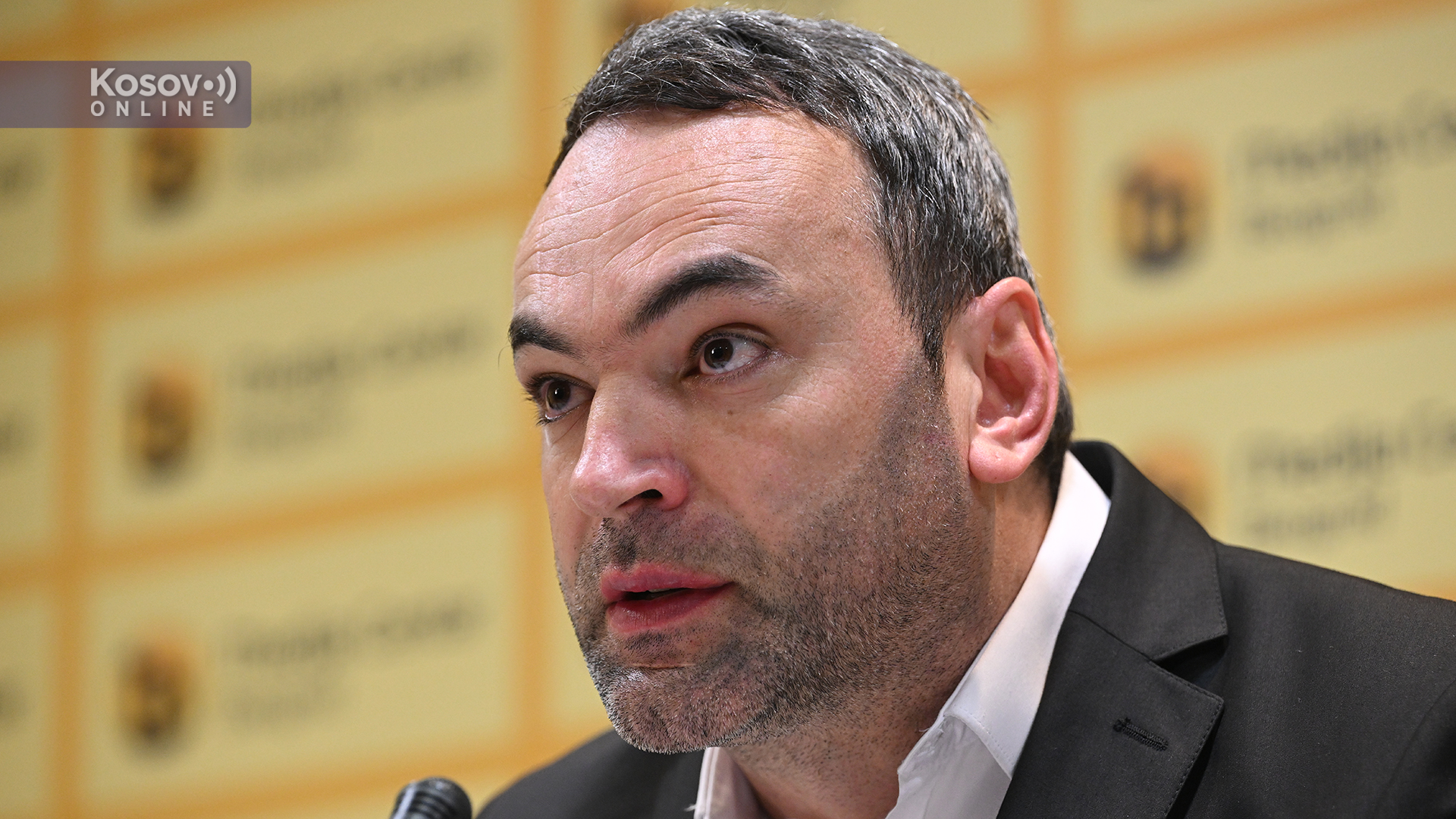
Bojic stated that since the beginning of the wars in the former Yugoslavia, including Kosovo, more than 50,000 people had gone missing. He explained that the idea was to record statements from family members of the victims and present this material to the entire humanity, as well as to serve as evidence of the suffering of Serbs for future generations. He added that the project was under the patronage of the President of the Republika Srpska, Milorad Dodik.
Tomanovic recalled the suffering of the Serbs in Kosovo from 1998 to the present day.
"We witness unlawful arrests, destruction of churches, and religious sites even today," she said, adding that despite the presence of 50,000 KFOR soldiers, 250,000 Serbs had been expelled from Kosovo.
She emphasized that numerous crimes remain unresolved to this day.
"How can the EULEX investigative authorities justify their mandate if nothing has been done due to lack of evidence?" she asked, adding that the Association had existed for 24 years and that families of the missing and abducted had been living in uncertainty all this time.
She recalled that basic human rights were still being violated in Kosovo today and emphasized that the issue of the missing and abducted was the most important national issue.
"International institutions have not been interested in stopping the violence," she believes, adding that numerous international conventions on the respect for human rights and freedoms are still being violated in Kosovo and that the countries that have recognized Kosovo have thereby violated these international documents.
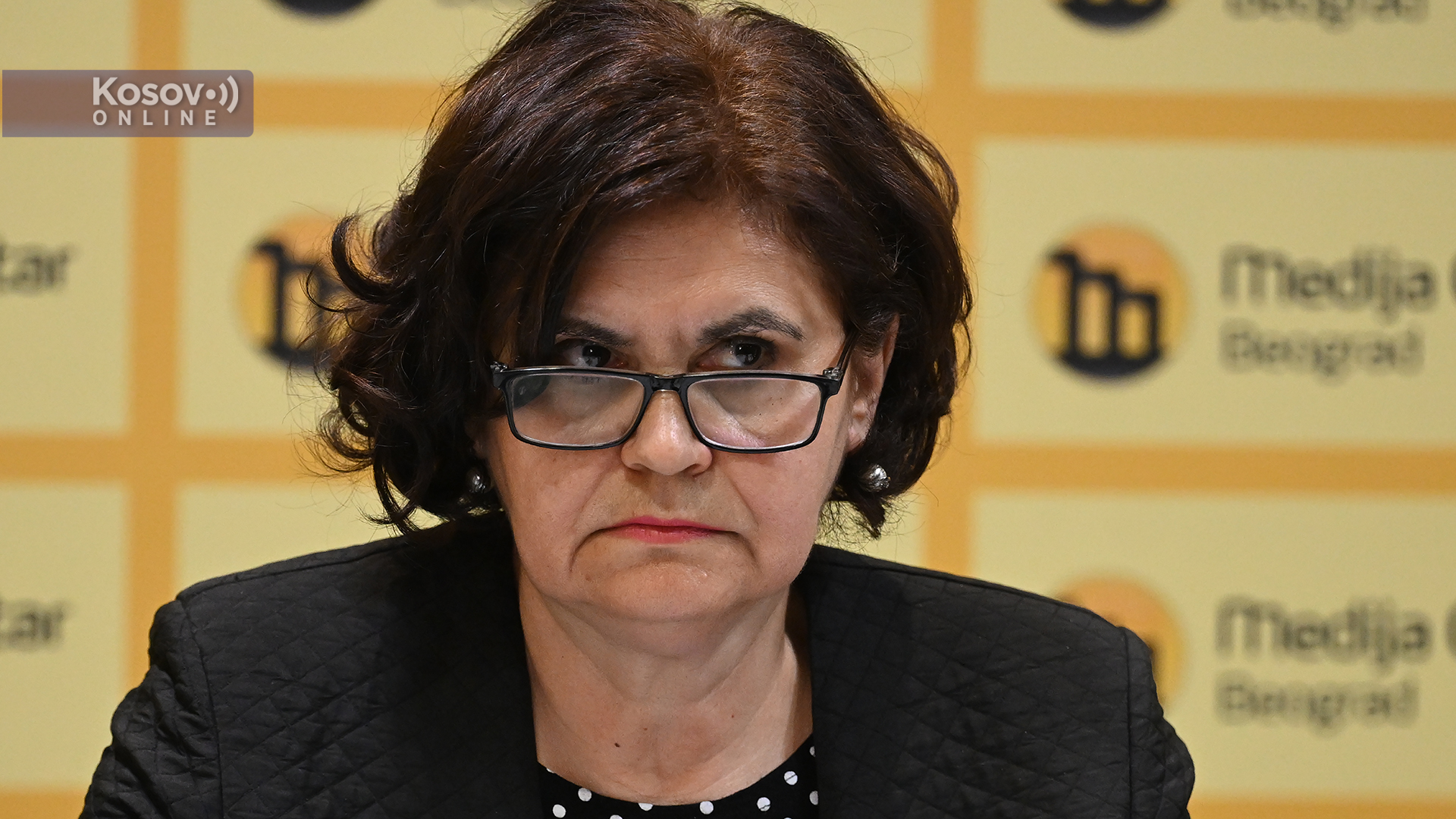
Mirjana Miodrag Bozin, President of the Coordination of Serbian Associations of Missing, Killed, and Slain Persons in the Former Yugoslavia, emphasized that it must not be allowed for the missing to be forgotten and stressed that no one had been held accountable for the crimes committed against the Serbs in the territory of the former Yugoslavia, while Serbs had been prosecuted. She noted that the Law on Missing Persons had not yet been adopted and added that it would address numerous problems faced by the families of the victims.
She stated that associations were demanding that textbooks for high schools and elementary schools include material that would testify to the truth about the suffering of the Serbs so that future generations could be acquainted with it.
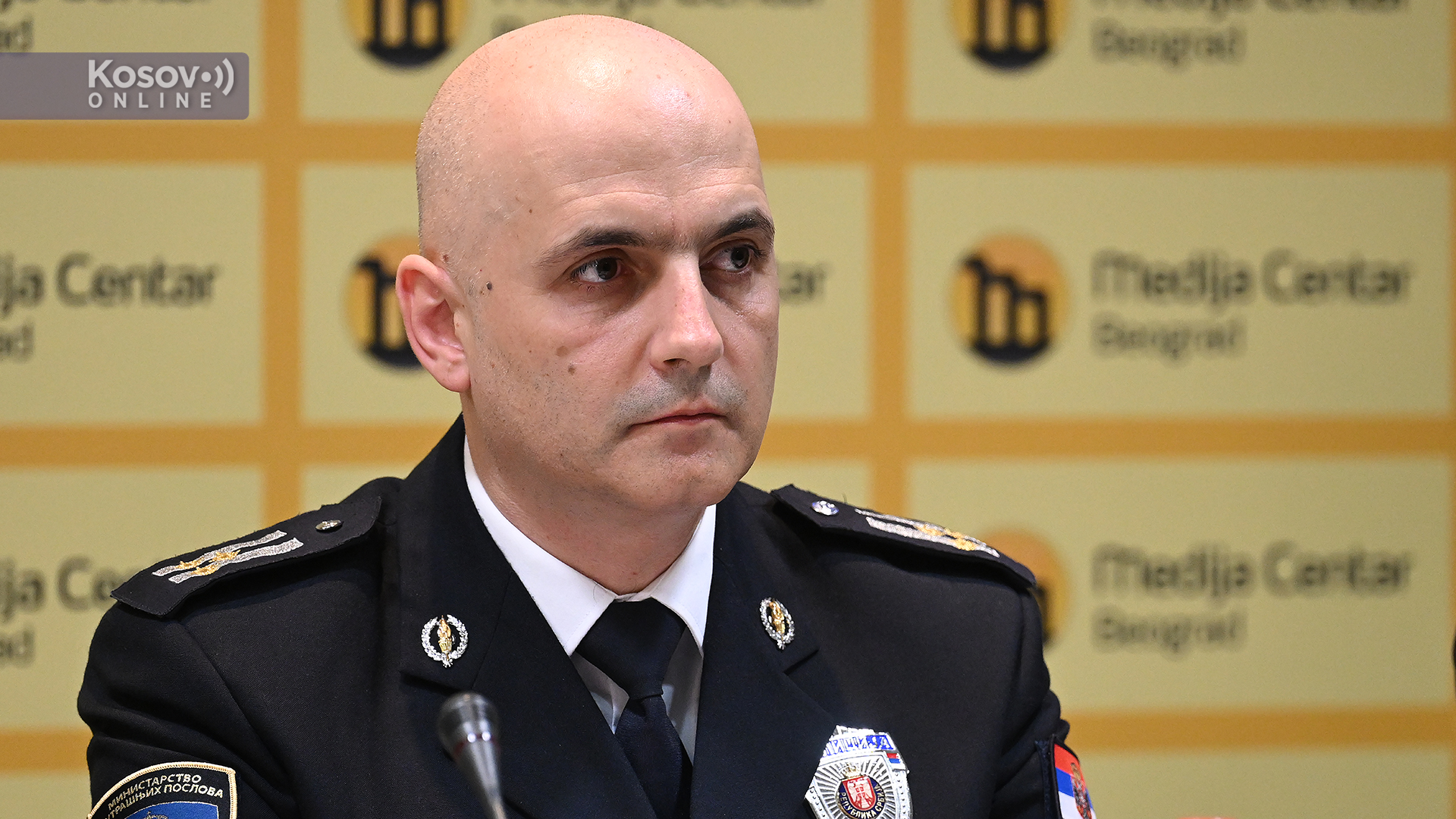
State Secretary at the Ministry of Internal Affairs, Zeljko Brkic, stated that last year, 16 criminal charges related to missing persons had been filed and that the Ministry of Internal Affairs was in intensive communication with other institutions dealing with this issue. He reminded that there were still 18 members of the Ministry of Internal Affairs listed as missing, out of which 10 had been identified, and their remains had been handed over to their families.
"The families of our fallen colleagues are not alone. The Solidarity Aid Fund provided over 52 million dinars to the families of the deceased last year," he noted, emphasizing that last year, at the initiative of Minister Bratislav Gasic, a memorial wall with the names of all police officers who had perished between 1990 and 1999 had been erected.
He added that the Ministry of Internal Affairs would continue to actively participate in what falls under its jurisdiction in solving these cases.
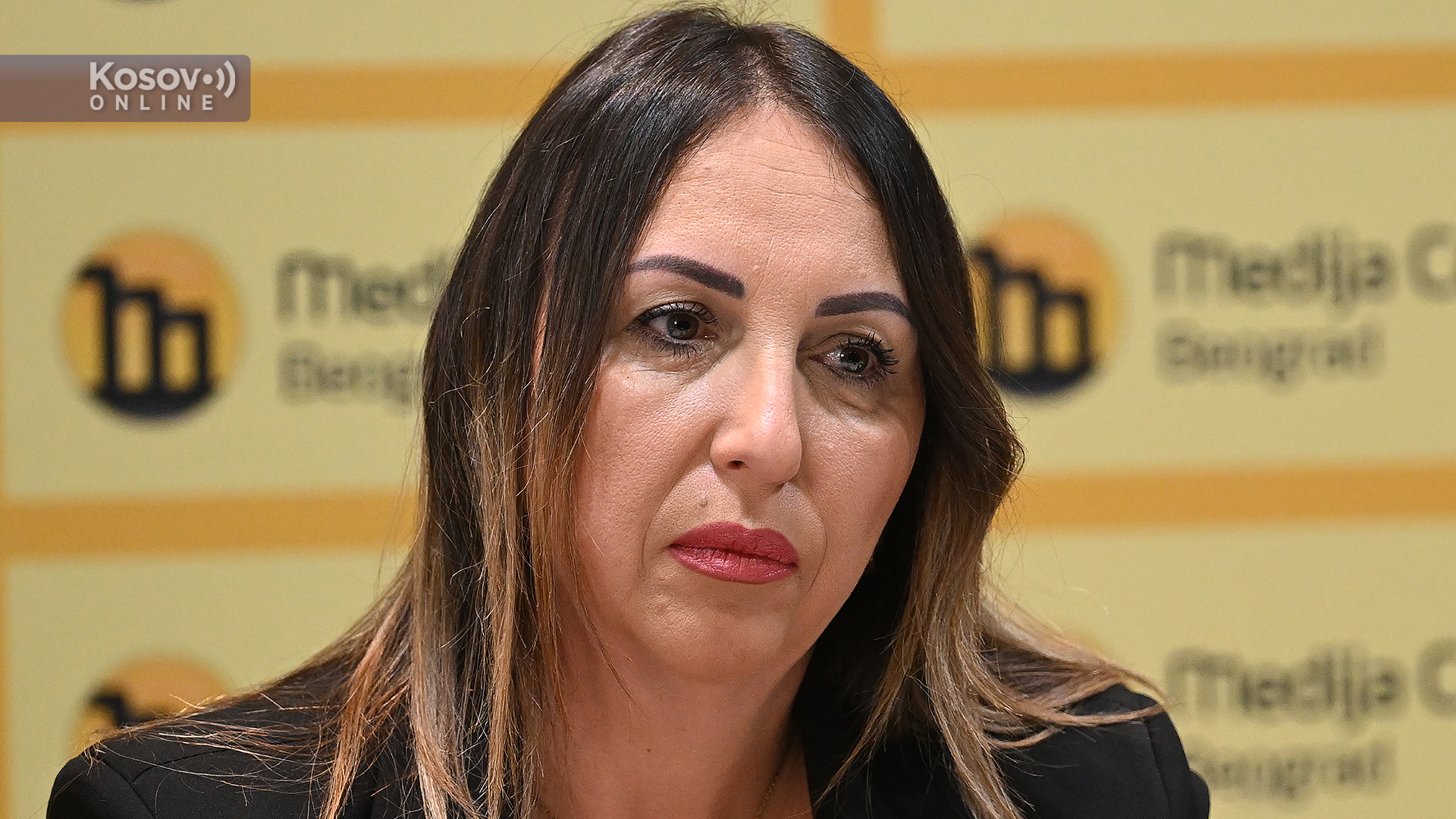
Senior Advisor for Missing Persons at the Commissariat for Refugees and Migration, Ljiljana Krstic, stated that Pristina was blocking cooperation in this regard and that nothing had been done since this issue became a part of the Brussels dialogue three years ago. She emphasized that there had been hope to continue cooperation when the Declaration on Missing Persons had been accepted in Ohrid, but it turned out that Pristina did not want that process. She added that the Working Group had been formed in 2004 and that out of 1,800 persons, procedures were still ongoing for 1,615 of them.
Krstic highlighted that the Serbian side had tried to make disappearances a humanitarian issue, but Pristina had managed to politicize it. She said that last year, remains had been recovered for only one person, and verification had been done for only one mass grave near Podujevo, while in Pristina, at the morgue, 350 bodies were still listed as unidentified, and the Serbian side was convinced that among them are 70 to 80 persons of Serbian nationality. She reminded that Pristina banned Veljko Odalovic, President of the Commission for Missing Persons, from entering Kosovo, adding that this was another proof of obstruction of the process.
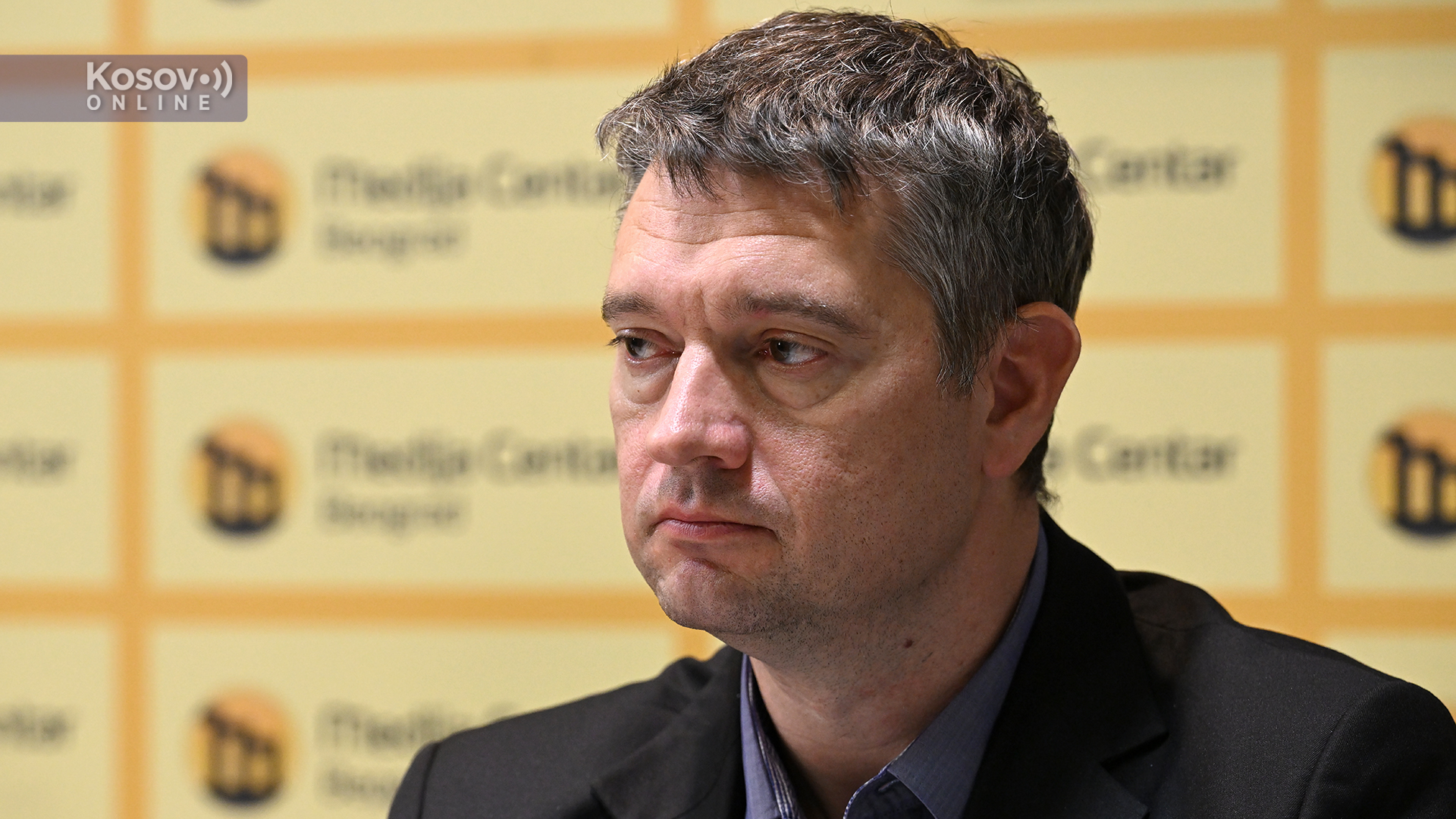
Assistant Director of the Office for Kosovo and Metohija, Igor Popovic, stated that the Serbs in Kosovo had suffered many injustices, and one of the biggest issues was that of missing and kidnapped persons. He emphasized that the Republic of Serbia would continue to assist families in uncovering the truth and resolving this issue, as well as in identifying the organizers and perpetrators of the crimes.
He emphasized that Pristina was obstructing the process and pointed out the daily suffering of the Serbs in Kosovo, citing the example of Gavrilo Milosavljevic, whom he said had been a victim of crime and was now arrested and in detention in Podujevo.
He also reminded of the responsibility of the international community, which, as he said, "is responsible for many things," and added that neither KFOR, UNMIK, nor EULEX had made the information they had available.
"We will see what the outcome of the trials before the Special Chambers in The Hague will be. It is up to us to help the families, to fight, and to preserve the memory of the victims," Popovic said.



0 comments