
Berisha: For 13 years in Kosovo, 53 women have been killed, and in many cases, institutions have failed
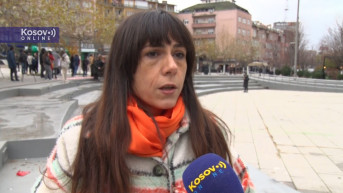
From 2010 until today, according to the report from the "Women's Network" in Pristina, 53 women have been killed in Kosovo, and the key reasons for the increase in violence against women are pronounced patriarchal norms, as well as the inadequate response of institutions and the judiciary, resulting in a lack of trust among the victims.
Adelina Berisha, Program Manager for combating violence in this organization, states the disheartening fact that every third woman in the world is a victim of a certain form of violence, but it is difficult to say whether femicide is on the rise in Kosovo and Western Balkan countries.
The truth, Berisha says for Kosovo Online, is that not a year goes by without several women being killed in Kosovo.
"The situation in the region is similar, and we, as activists, create joint reports with our sisters from Serbia, Bosnia and Herzegovina, Albania, Montenegro, and North Macedonia. We have partnerships with all of them, had joint projects, and what we see is that the situation is more or less the same everywhere in these countries", Berisha says.
The rise in violence against women is contributed by patriarchal norms, Berisha emphasizes and claims that it often happens that women are killed because institutions do not react, resulting in a lack of trust among the victims.
"Due to this patriarchal mentality, sometimes women do not receive support from institutions, and that's why we sometimes have a situation where even when a woman goes to report violence, her words are not understood adequately. People in institutions do not believe that report, and that's why femicides occur. In Kosovo, we have cases where women were killed because institutions did not believe their statements and did not take them seriously, and that is the reason we have such a high number of femicides and violence, both in Kosovo and in the region", this activist emphasizes.
Family violence is a criminal offense, Berisha reminds, and there are specific penalties for it. However, in practice, she points out that they are often reduced.
"We have cases where men who killed women received life sentences, but after an appeal, they were reduced. So far, the highest prison sentence for the murder of a woman is 25 years. That is what we know. Our opinion is that if the existing law is applied, then we will not have problems. However, it happens that judges reduce sentences for perpetrators of violence or murder, and then it seems like we are sending a message for them to continue committing violence - we have no penalties for you. We take the woman to a shelter, and we leave the perpetrator free, living as if they have done nothing", Berisha explains.
When it comes to the treatment of women, it is poor at the global level, Berisha emphasizes, adding that every third woman in the world has experienced a certain form of violence.
"I think now is the time for all women to come together, to help each other, and to tell men that we will no longer endure it, and it is the last moment for them to change their attitude and treatment towards women because it goes against human rights. We, as women, need to remain in solidarity, be sisters, help each other, and be the voice of victims to change the situation so that women can have a life that befits them", Berisha said.



0 comments