
Commemoration and sirens - in Gracanica marked 24 years since the NATO bombing
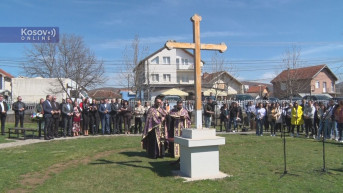
At the memorial cross "Kosovo Serbs - for the honorable cross and golden freedom", which is dedicated to the Serbs who died in the NATO bombing and in the period after 1999, in the courtyard of the House of Culture in Gracanica, a memorial service was held for the victims of NATO aggression.
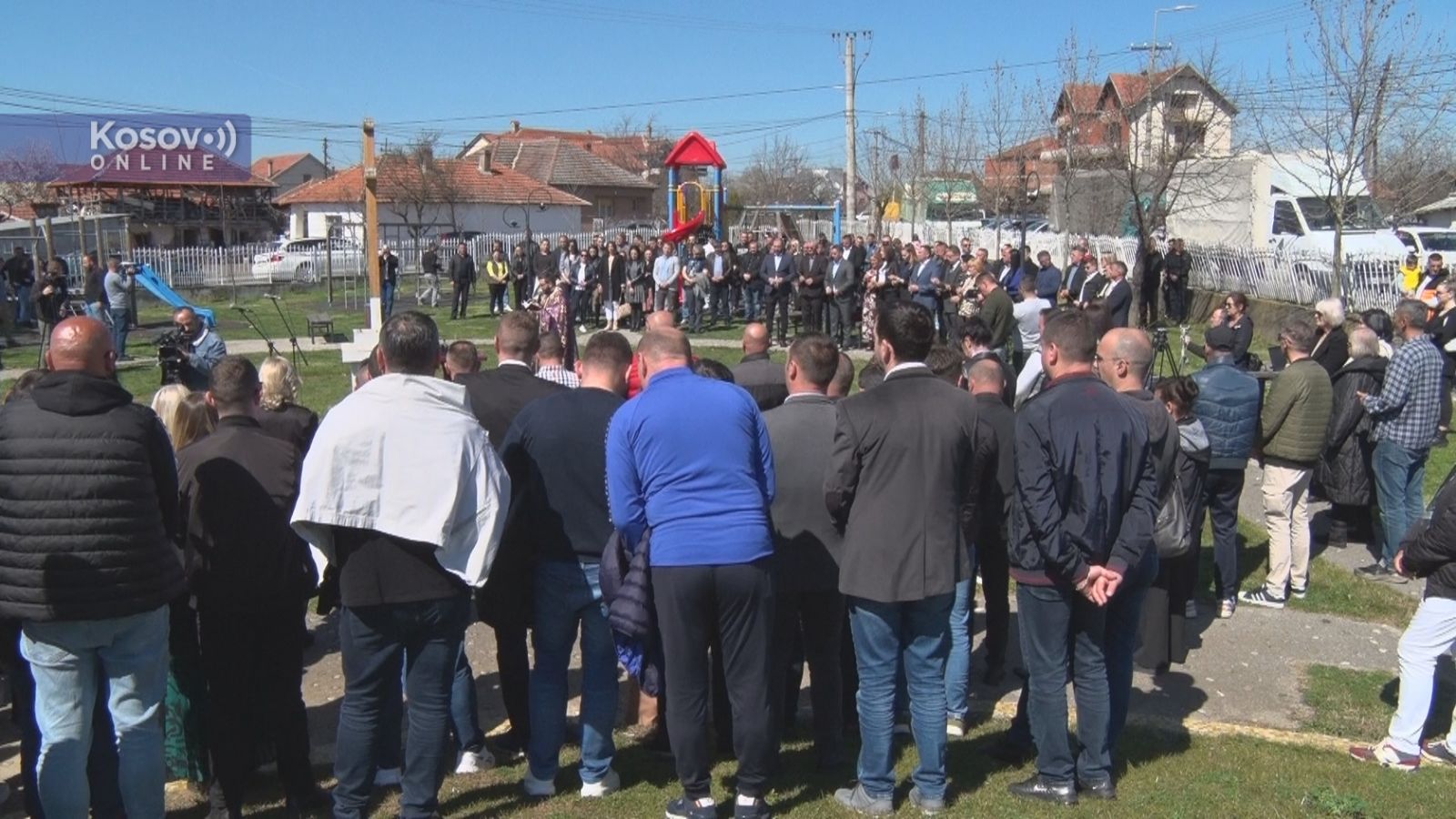
The priests of the Eparchy of Raska and Prizren held a service to commemorate the victims. The commemoration was attended by representatives of the Government of Serbia, local self-governments, as well as a large number of residents of the municipality of Gracanica.
After the service, sirens sounded to warn of danger, as a reminder of the bombing.
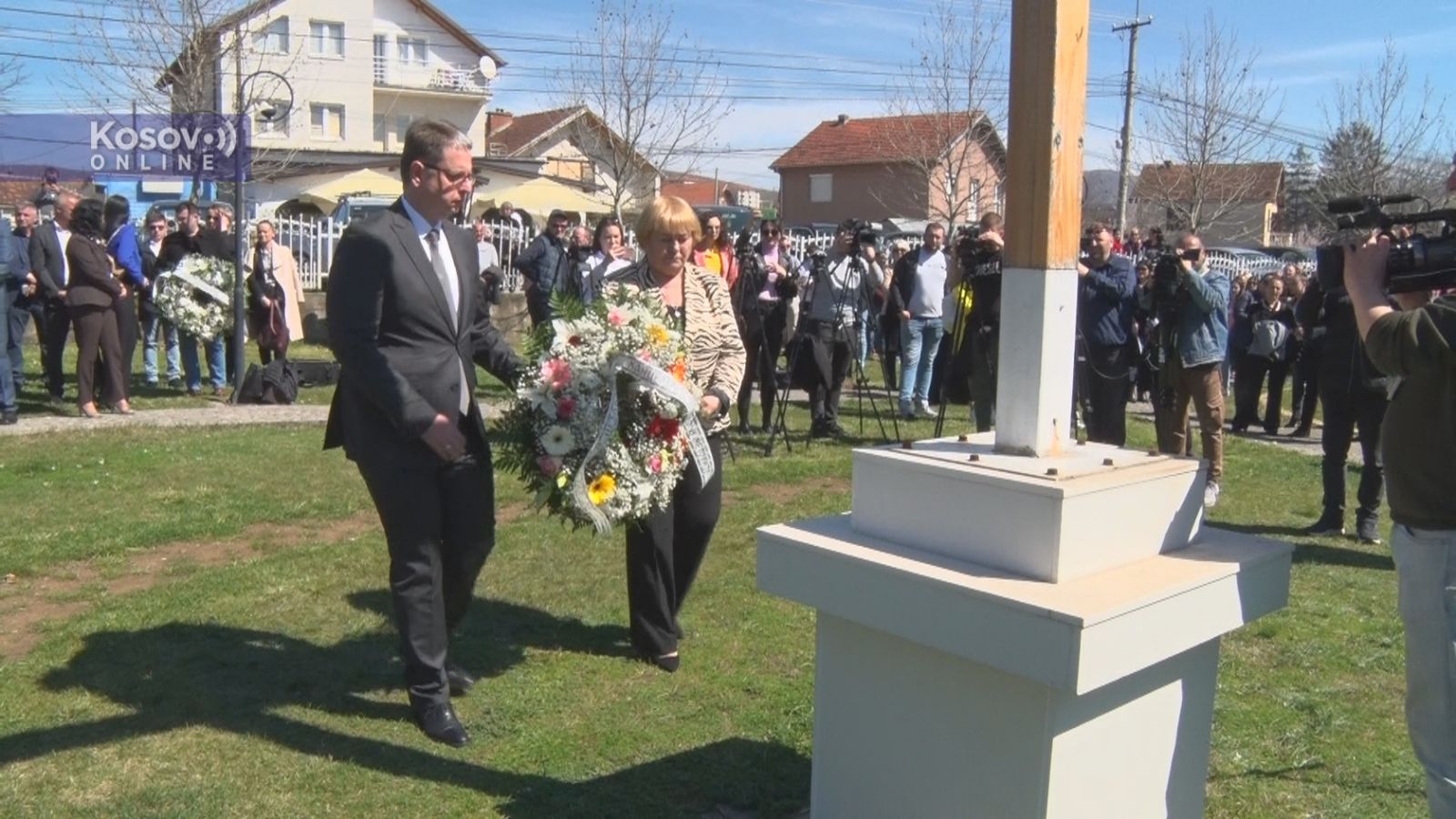
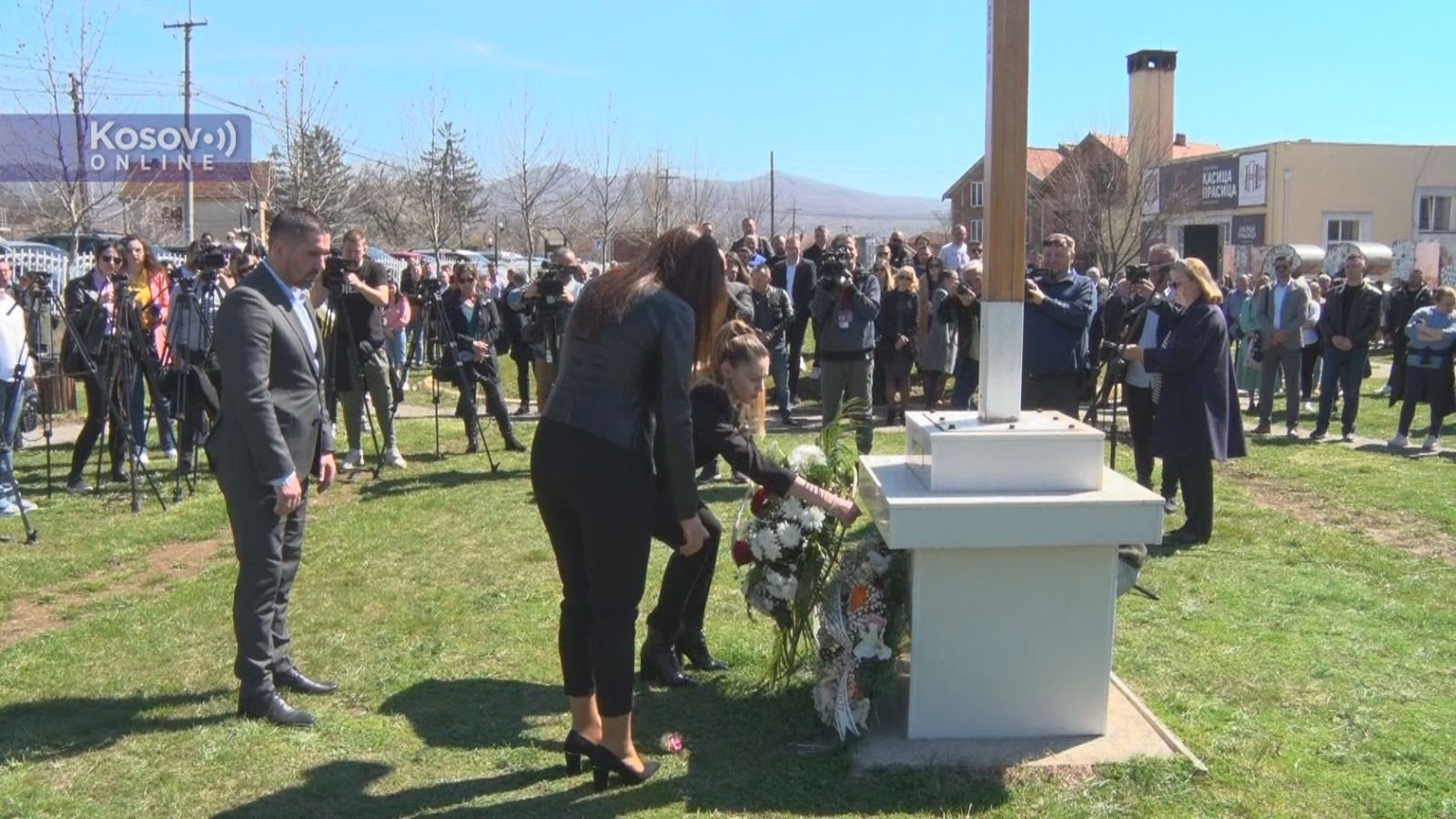
Wreaths were laid by the representatives of the Office for Kosovo and Metohija, the President of the Provisional Institution of the Municipality of Pristin, Novak Zivic, the Mayor of Gracanica Ljiljana Subaric, the Head of the Kosovo Administrative District Srdjan Popovic as well as the delegation of the city of Velika Plana.
The head of the Kosovo Administrative District, Srdjan Popovic, said after laying flowers that the consequences of the NATO bombing were felt even today, adding that memories did not fade.
"How is it possible that the negotiations in Rambouillet could not last a single month and that the war immediately started, and that today it is possible to talk for more than a decade? The question arises whether they have realized the mistakes of the past or whether they want to cover up the injustice in the present or both. It seems that back then in 1999 Kosovo was a job for some and life for others. Unfortunately, the job prevailed. And as yesterday in the movie "The Yellow House" the French colonel Jacques Haugar said ` when we entered Kosovo, we realized that we did not bring peace, but rather complicated the situation” - yes you did. The situation became much more complicated. If we had talked then like we do now, Milica Rakic would not have died, the Serbs would not have been expelled, they would not know what is life in an enclave, and there would be no burnt sanctities, no killings. The Serbs and Albanians would live together as they lived before 1999, and that would be a much better basis for reaching any agreements that we are striving for today," Popovic said.
Popovic added that the Serbs had always been a peaceful people and that despite everything that had happened to us; the Serbs were still open for the sake of the future.
"Every conversation is better than any shot," Popovic concluded.
Director of the National Library in Gracanica, Brankica Kostic, said that the memories of the generation were summed up in this current moment "when on the anniversary of the NATO bombing we stand in silence and remember what it is like to live in freedom".
"No matter how hard it is, with beauty, peace, dignity, and education, we will defend the homeland because it is the land of our fathers. And that belongs to tradition and obligates us and the homeland because it is a home, a house and a garden, and a fruit, even that thorn, even mother and child and sister," Kostic said.
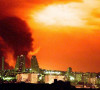
The exact number of those killed in the bombing has not been determined to date, and estimates range from 1,500 to several thousand. The bombing ended 78 days later, with the signing of the Kumanovo Agreement. The last bombs fell on FR Yugoslavia on June 10, 1999, at around 1:30 p.m., on the territory of the village of Kolloleq, in the municipality of Kosovska Kamenica.
The organizers of today's event are the Eparchy of Raska and Prizren, the Provisional Authority of Pristina, and the Cultural and Educational Community of Kosovo and Metohija.




0 comments